

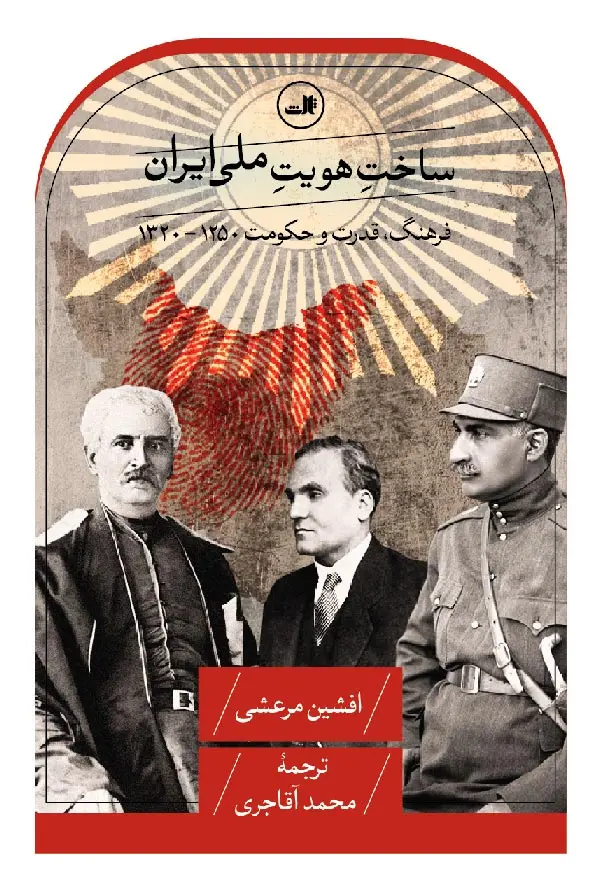
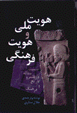
Sākht-i Hovīyat-i Mellī-yi Īrān: Farhang, Qodrat va Hokūmat (1250–1320) Persian 2025
ساخت هویت ملی ایران: فرهنگ، قدرت و حکومت 1250 - 1320
25.52 $

Share
Wishlist
ISBN:
9786223842115
Translator:
Muḥammad Āqājarī
Publisher:
Salis
Age Group:
Adult
Pages:
246
Weight:
300 g
Dimensions:
14 x 21 x 1.5 cm
Book Cover:
Paperback
From the reign of Naser al-Din Shah (r. 1848–1896 CE / 1227–1275 SH), whose monarchy was intertwined with the premodern notion of the “shadow of God on earth,”
to the coronation of Mohammad Reza Shah (r. 1941–1979 CE / 1320 SH) as the “Shah of Iran,” emerging from the new nationalism,
not much time had passed, yet the transformations intertwined with the state, society, and culture were so profound that the two reigns are incomparable in many respects.
Constructing Iran’s National Identity by Afshin Marashi is a deep and multidimensional study that examines the formation of modern Iran at the intersection of culture, politics, and state institutions between 1871 and 1941 (1250–1320 SH).
The book goes beyond strictly political history to explore the hidden layers of national identity formation: from the role of modern education and the press in promoting nationalist thought to the redefinition of ancient symbols as elements of identity.
Marashi, with a careful look at the changes between the Qajar era and the rise of Reza Shah Pahlavi, shows how statesmen and intellectuals, relying on tools such as historiography focused on the glory of the past, nationalist architecture, and even public rituals, constructed a new vision of “Iranian-ness.”
He sees this process not merely as a political decision but as the outcome of intersecting cultural currents, colonial pressures, and the need to legitimize power structures.
Drawing on archival documents, Constitutional Era newspapers, and analyses of intellectual discourses, the book takes the reader on a historical journey:
from Naser al-Din Shah’s visits to Europe and his emulation of late European empires in using public ceremonies, rituals, and festivals to promote loyalty to the king,
to the efforts of Iranian intellectuals who sought, by reimagining national history, to reconcile “authentic” Iranian culture with the demands of modernity.
Marashi clearly explains how “nationalization” was not merely a slogan but a complex project, often confronting internal contradictions, local resistance, and the redefinition of tradition in the face of modernity.
more
از زمان سلطنت ناصرالدینشاه (1227ـ1275 خ) که پادشاهیاش با مفهوم پیشامدرن «سایه خدا روی زمین» گره خورده بود
تا آغاز تاجگذاری محمدرضاشاه (1320) به عنوان «شاه ایران» که از ناسیونالیسم جدید برآمده بود،
مدتزمان زیاد نمیگذشت اما دگرگونی پیوندخورده با دولت، جامعه و فرهنگ به حدی عمیق بود که سلطنت این دو از بسیاری جهات قابل مقایسه نیست.
ساخت هویت ملی ایران اثر افشین مرعشی، پژوهشی ژرف و چندبعدی است که فرایند شکلگیری ایران مدرن را در تقاطع فرهنگ، سیاست و نهادهای دولتی بین سالهای 1250 تا 1320 خورشیدی واکاوی میکند.
این کتاب با گذر از تاریخ صرفا سیاسی، به لایههای پنهان هویتسازی ملی میپردازد: از نقش آموزش نوین و مطبوعات در ترویج اندیشه ملیگرایی تا بازتعریف نمادهای باستانی در قامت عناصر هویتبخش.
مرعشی با نگاهی دقیق به تحولات میان عصر قاجار و روی کار آمدن پهلوی اول،
نشان میدهد چگونه دولتمردان و روشنفکران، با تکیه بر ابزارهایی چون تاریخنگاری معطوف به عظمت باستان، معماری ملیگرایانه و حتی آیینهای عمومی، تصویری نوین از «ایرانیت» ساختند.
او این فرایند را نه صرفا یک تصمیم سیاسی، بلکه حاصل تلاقی جریانهای فرهنگی، فشارهای استعماری و نیاز به مشروعیت بخشیدن به ساختار قدرت میداند.
این اثر با استناد به اسناد آرشیوی، مطبوعات دوره مشروطه و تحلیل گفتمانهای روشنفکری، خواننده را به سفری تاریخی میبرد؛
از دیدار ناصرالدینشاه از اروپا و الگوگرفتن او از امپراتوریهای متأخر اروپایی در بهرهگیری گسترده از مراسم عمومی،
آیینها و جشنها برای ترویج وفاداری به شاه تا تلاش روشنفکران ایرانی که با بازآفرینی تاریخ ملی میکوشیدند «فرهنگ اصیل» ایرانی را با الزامات مدرنیته سازگار کنند.
مرعشی بهخوبی توضیح میدهد چگونه «ملیسازی» فقط یک شعار نبود، بلکه پروژهای پیچیده بود که گاه با تناقضهای درونی، مقاومتهای بومی و بازتعریف سنت در برابر مدرنیته روبهرو میشد.
more

.jpg)