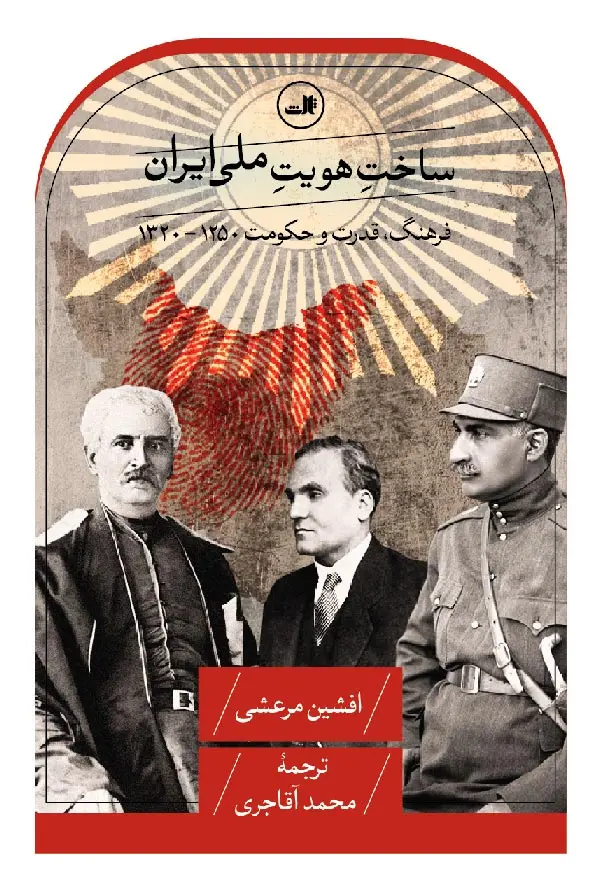


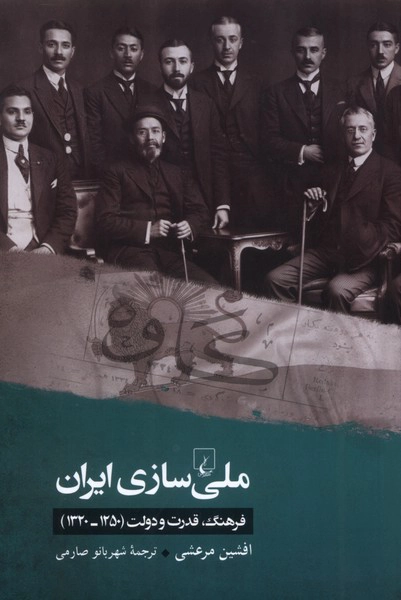
Mellī Sāzī-yi Īrān: Farhang, Qodrat va Dowlat (1320–1350) Persian 2025
ملی سازی ایران: فرهنگ، قدرت و دولت (1320 - 1350)
19.04 $

Share
Wishlist
ISBN:
9786220404958
Translator:
Shahrbānū Ṣāramī
Publisher:
Quqnus
Age Group:
Adult
Pages:
262
Weight:
350 g
Dimensions:
14 x 21 x 1.5 cm
Book Cover:
Paperback
The book “Nationalizing Iran” by Afshin Marashi is a profound study of one of the most sensitive periods in Iranian history—a time when the modern state, new ideologies, and emerging cultural institutions sought to construct an image of the “nation” and of “Iran.” The book details how a complex network of power and meaning formed among the state, intellectuals, educational institutions, and social currents, ultimately producing a modern national identity.
Marashi, adopting a historical and cultural approach, demonstrates that the “nation” in Iran was not a natural or spontaneous phenomenon, but the result of decades of efforts in education, historiography, archaeology, cultural policy, and conceptual reconstruction. Shahrbanoo Saremi’s clear and precise translation renders this scholarly work accessible and engaging for readers.
The book spans roughly seventy years, from the late Qajar period to the end of Reza Shah’s reign—a period when Iran was transitioning from a longstanding past to a new world.
New schools, newspapers, universities, museums, archaeology, and the official language were not merely educational tools; they were political institutions used to construct a form of “collective memory” and “shared identity.”
Marashi shows that the state aimed to create a unified Iranian identity—an Iran that understood its past in a new way and imagined its future through this cultural reconstruction.
In this framework, nationalism was not simply an ideology but a cultural project that intertwined countless threads with politics, everyday life, and the vision of development.
The book addresses the fundamental question:
“How did Iran achieve a modern national identity?”
Instead of offering simple answers, Marashi illustrates a gradual process in which the past was reconstructed, narratives rewritten, and institutions transformed into instruments of meaning-making.
For this reason, Nationalizing Iran is not merely a political history; it is a cultural history of thinking about “us.”
more
کتاب «ملیسازی ایران» اثر افشین مرعشی، پژوهشی عمیق دربارهی یکی از حساسترین دورههای تاریخ ایران است؛ دورهای که در آن دولت مدرن، ایدیولوژیهای نو، و نهادهای فرهنگی تازه شکل گرفتند تا تصویری از «ملت» و «ایران» بسازند. این کتاب شرحی است از اینکه چگونه میان دولت، روشنفکران، نهادهای آموزشی و جریانهای اجتماعی، شبکهای پیچیده از قدرت و معنا شکل گرفت و در نهایت به تولید هویت ملی مدرن انجامید.
مرعشی با رویکردی تاریخنگارانه و فرهنگی، نشان میدهد که «ملت» در ایران یک پدیده طبیعی یا خودجوش نبود، بلکه حاصل دههها تلاش در زمینههای آموزش، تاریخنگاری، باستانشناسی، سیاست فرهنگی و بازسازی مفاهیم بود. ترجمهی شفاف و دقیق شهربانو صارمی، متن پژوهشی را به روایتی قابلفهم و خواندنی تبدیل کرده است.
این اثر دورهای حدود هفتادساله از اواخر قاجار تا پایان پهلوی اول را روایت میکند؛ دورهای که ایران در حال عبور از گذشتهای دیرپاتر به جهانی تازه بود.
مدارس جدید، مطبوعات، دانشگاه، موزهها، باستانشناسی و زبان رسمی، تنها ابزارهای آموزشی نبودند؛ بلکه نهادهایی سیاسی بودند که برای ساخت نوعی «خاطره جمعی» و «هویت مشترک» به کار گرفته شدند.
مرعشی نشان میدهد که دولت در پی خلق ایرانی یکپارچه بود؛ ایرانی که گذشتهی خود را به شیوهای تازه میفهمید و آینده را از دل همین بازسازی فرهنگی تصور میکرد.
در این نگاه، ملیگرایی نه صرفاً یک ایدیولوژی، بلکه پروژهای فرهنگی بود که هزاران رشته به سیاست، زندگی روزمره و رویای توسعه گره میزد.
این کتاب دربارهی این پرسش بنیادین است:
«ایران چگونه به یک هویت ملی مدرن دست یافت؟»
مرعشی بهجای پاسخهای ساده، فرآیندی تدریجی را نشان میدهد؛ فرآیندی که در آن گذشته بازسازی شد، روایتها بازنویسی شدند و نهادها به ابزار تولید معنا بدل گشتند.
به همین دلیل «ملیسازی ایران» تنها تاریخ سیاسی نیست؛ تاریخ فرهنگی اندیشیدن به «ما»ست.
more