

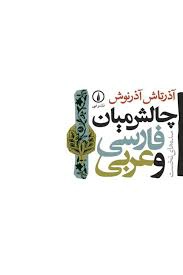
Chalish miyan-i farsi va arabi sada ha-yi nukhust Persian 2025
چالش میان فارسی و عربی سدههای نخست
10.85 $

Share
Wishlist
ISBN:
9789641850427
Publisher:
Nashr-i niy
Age Group:
Adult
Pages:
324
Weight:
456 g
Dimensions:
15 x 23 x 2.5 cm
Book Cover:
Paperback
The author seeks in this book to examine the Persian and Arabic languages from sociological and historical perspectives. Relatively extensive sections are devoted to individuals in history who spoke either Persian or Arabic while living within the hypothetical boundaries of “Iran.” The purpose of this approach is to determine the scope and spread of each language across different places and periods.
The author argues that documentary evidence from the first and second centuries AH shows that Dari Persian enjoyed wider circulation and greater prestige than many Orientalists have assumed. At the same time, during these first two centuries, Arabic in Iran functioned in two distinct ways: on the one hand, as the tribal dialects of Arab groups, toward which Iranians apparently felt little inclination or attachment; and on the other hand, as a formal, eloquent administrative language used in state bureaucracies and among Arab elites and many mawālī (non-Arab clients). The author cites numerous accounts in support of this view.
He further maintains that from the late second century AH onward, large numbers of Iranians turned toward the Arabic language and literature, to such an extent that Arabic came to dominate many spheres of social life. At the same time, he notes the apparent contradiction between the widespread use of Arabic and the continued Persian-speaking character of the Iranian populace, as well as the sudden emergence of Persian poetry and prose.
In addition to acknowledging the well-known influence of Arabic on Persian, the author also emphasizes that Persian poetry, poetic forms, themes, proverbs, and related elements exerted a relatively broad influence on Eastern Arabic poetry—an influence that began in the late fourth century AH and largely came to an end by the sixth century AH, aside from scattered and exceptional cases.
In the struggle between Arabic and Persian, many people made efforts to preserve Persian. The general population safeguarded their shared language and traditions and thereby encouraged men of letters to pay attention to their vernacular. Conversely, many Iranians—primarily scholars—rejected Persian and Iranian traditions, accepting no language other than Arabic and no tradition other than Islamic ones. Here, the issue of “identity” emerges in multiple and complex forms, demonstrating that concepts such as nationality, Iranian-ness, and identity require deeper reflection and the proposal of new approaches.
more
نویسنده در کتاب کوشیده است دو زبان فارسی و عربی را از دیدگاه جامعهشناسی و تاریخ بررسی کند. ضمن آن که بخشهای نسبتا مفصلی از کتاب به افرادی در تاریخ اختصاص یافته که به فارسی یا عربی سخن میگفتند و در محدودهی فرضی "ایران" میزیستند. قصد نویسنده از این کار آن بوده تا دایرهی گستردگی هر زبان در جاها و زمانهای گوناگون تعیین گردد. وی معتقد است که از زبان دری در سدههای 1 و 2 قمری مدارکی در دست است که نشان میدهد فارسی دری، بیش از آن چه خاورشناسان پنداشتهاند، رواج و اعتبار داشته است، همچنین در دو سدهی نخست، زبان عربی در ایران، از یک سو گویشهای قبایل بود که به ظاهر، ایرانیان هیچ علاقه و گرایشی به آنها نداشتند و از سوی دیگر، همان زبان رسمی فصیحی بود که در دیوانهای دولتی و میان اشراف و اعیان عرب نژاد بسیاری از موالی معمول بود. نویسنده در این خصوص روایتهای متعددی را ذکر میکند. وی بر این باور است که از اواخر سدهی 2 قمری، ایرانیان بیشماری رو به زبان و ادب عربی نهادند، چندان که عربی بر همهی فضاهای درون اجتماعی سایه افکند. ضمن آن که او خاطرنشان میکند در چنین اوضاعی، فراگیر بودن عربی، با فارسی زبان بودن تودهی ایرانیان و بروز ناگهانی شعر و نثر فارسی تعارض آشکار دارد. نویسنده علاوه بر ذکر این نکته که تاثیر زبان عربی بر زبان فارسی پدیدهای کاملا شناخته شده است، از طرفی شعر، قالب شعر، مضامین شاعرانهی فارسی، ضربالمثلهای ایرانی و موضوعهای دیگری از این دست، بر شعر عربی شرقی تاثیر نسبتا گستردهای داشته که از اواخر سدهی 4 قمری آغاز شده و در سدهی 6 قمری پایان پذیرفته است (جز در موارد پراکنده و استثنایی). در کشاکش میان عربی و فارسی، بسیاری برای حفظ فارسی کوشیدند. تودههای مردم همزبان و همسنتهای خود را پاس میداشتند و به همین سبب ارباب قلم را وامیداشتند که به زبانشان عنایت ورزند. از سوی دیگر بسیاری از ایرانیان که عمدتا دانشور بودند، با فارسی و سنتهای ایرانی ستیز کردند و زبانی جز عربی، و سنتی جز سنت مسلمانی نخواستند. در این جا، موضوع "هویت" با چهرههای بسیار گونهگون آشکار میشود و نشان میدهد که دربارهی "ملیت" و "ایرانیت" و "هویت" باید بیشتر اندیشید و راههای تازهتری پیشنهاد کرد.
more