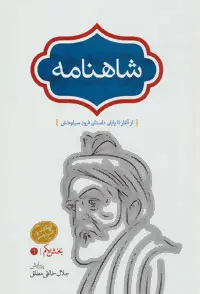


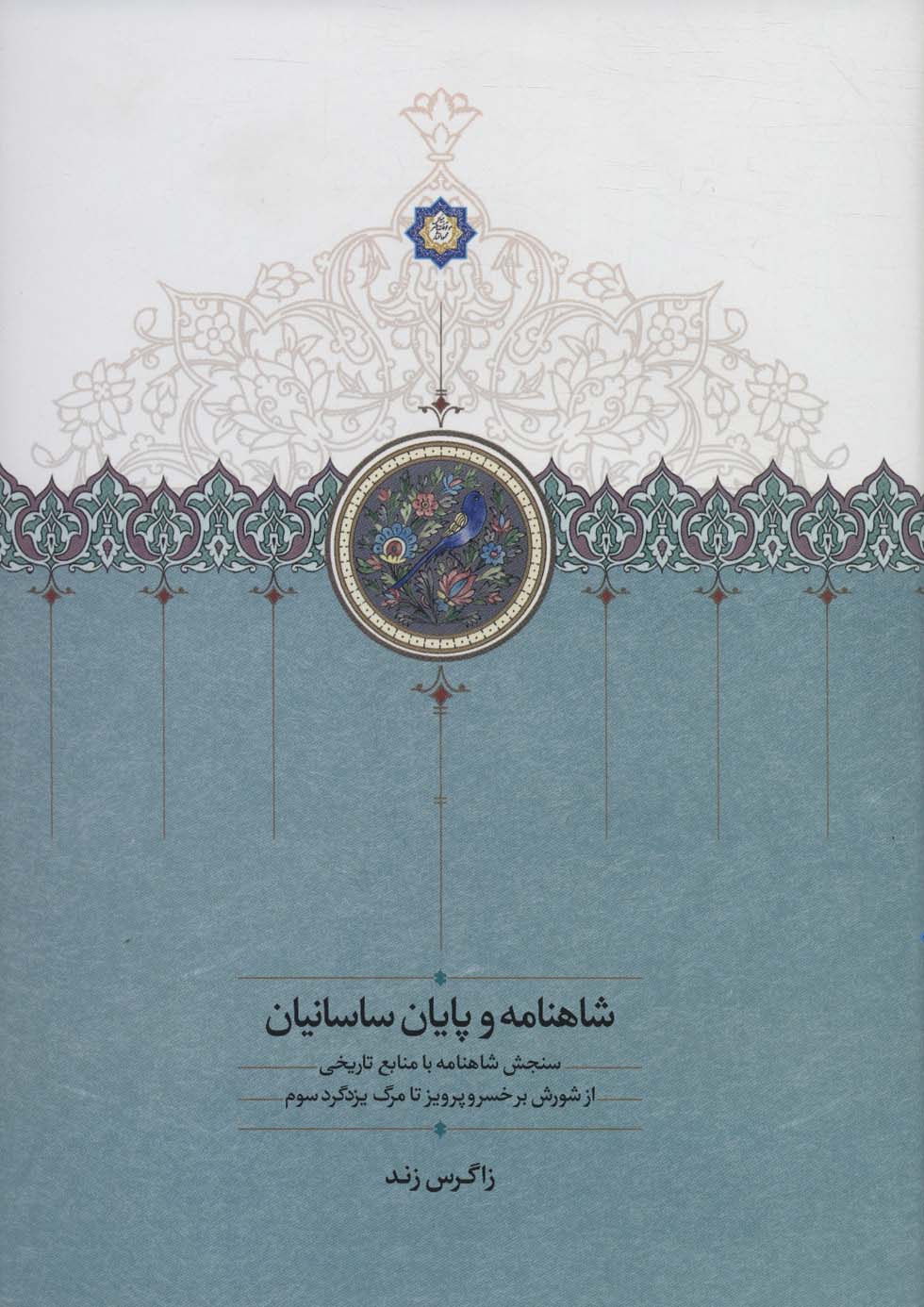
Shāhnāmah va pāyān-i Sāsānīyān Persian 2021
شاهنامه و پایان ساسانیان
29.13 $

Share
Wishlist
In this study, Zagros Zand examines Ferdowsi's account of the final years of the Sasanian Empire in the Shahnameh, comparing its narrative of the period from the revolt against Khosrow II (Khosrow Parviz) to the collapse of the Sasanian dynasty with the accounts preserved in the principal Islamic, Byzantine, Armenian, and Syriac historical sources. Through a detailed comparative analysis, the author identifies the similarities and differences among these traditions, evaluates the strengths and limitations of the Shahnameh as a historical source, and highlights episodes preserved in Ferdowsi's epic that are absent from other surviving records.
As the author explains in the introduction, no independent study has previously undertaken a comprehensive comparison of the Shahnameh's account of the closing phase of the Sasanian Empire, following the reign of Khosrow II, with both early Islamic chronicles and contemporary non-Islamic historical sources. Although numerous valuable studies have explored the historical significance of the Shahnameh, the history of the Sasanians within the epic, and comparisons with selected historical texts, comparatively little attention has been devoted to the historiographical methods and distinctive characteristics of Ferdowsi's narrative in relation to other historical traditions.
Given the extensive body of scholarship on the Shahnameh and the early Islamic chronicles, the author organizes the existing literature into four thematic sections:
The Shahnameh, its historical value, and the representation of the Sasanians in Ferdowsi's epic.
Early Arabic and Persian historical chronicles of the Islamic period.
Modern Sasanian studies, covering the period from the reign of Shiruyeh (Kavadh II) to the fall of the Sasanian Empire.
Iranian historiography.
Within each section, the studies are presented in chronological order of publication, enabling readers to trace the development and evolution of scholarship in each field.
more
زاگرس زند در راستای روایت شاهنامه از تاریخ ساسانیان، از شرح ماجرای شورش بر خسروپرویز تا فروپاشی سلسله ساسانی را در شاهنامه با روایتهای مهمترین منابع اسلامی و نیز منابع بیزانسی، ارمنی و سریانی مقابله کرده، همانندیها و تفاوتهای آنها را بررسیده، برتریها و کاستیهای روایت شاهنامه را نشان داده و به معرفی گزارشهای تاریخی شاهنامه از این دوره که در منابع دیگر یافت نمیشود، پرداخته است. در آغاز کتاب آمده است:
" درباره سنجش روایت تاریخی شاهنامه از بخش پایانی ساسانیان (پس از پادشاهی خسرو پرویز) با دیگر منابع و شواهد تاریخی، چه تاریخ های سدههای نخستین اسلامی و چه تاریخها یا منابع خارجی، در دایره جستجوی نگارنده، پژوهش مستقلی انجام نشده؛ اما درباره جنبه ها و ارزش های تاریخی شاهنامه، نیز تاریخ ساسانیان در شاهنامه و یا سنجش شاهنامه با برخی تاریخها، پژوهش های پراکنده و گاه ارزشمندی انجام شده است. همچنین در معرفی و تحلیل تاریخ های سده های نخستین اسلامی و سبک تاریخ نگاری آنها پژوهش هایی انجام شده که ناگزیریم در حد امکان و تا جایی که مربوط به این پژوهش باشد، به آنها بپردازیم. گرچه به تاریخ طبری و شاهنامه فردوسی زیاد پرداخته شده و کتاب شناسی ستبری دارند، اما به سویه ها و ویژگی های تاریخ نگاری آنها و نیز سنجش آنها کمتر توجه شده است."
به دلیل پرشمار بودن پژوهش های مربوط به شاهنامه و تاریخ های سده های نخستین اسلامی، این پژوهش ها در چهار بخش بررسی می گردد:
1- شاهنامه فردوسی؛ ارزش تاریخی آن و ساسانیان در شاهنامه؛
2- تاریخهای عربی فارسی سده های نخستین اسلامی؛
3- پژوهش های ساسانی شناسی از شیرویه تا پایان دوره ساسانی؛ 4. تاریخ نگاری ایرانی.
در هریک از این چهار بخش، ترتیب زمانی با اولویت انتشار پژوهش ها رعایت شده است تا روند و پیشرفت هر شاخه پژوهشی بهتر درک شود.
more