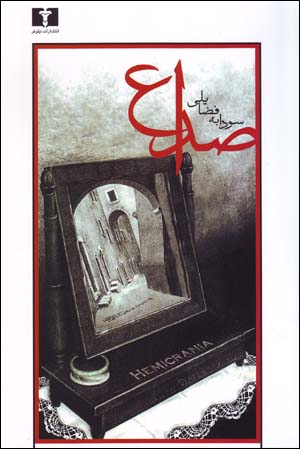


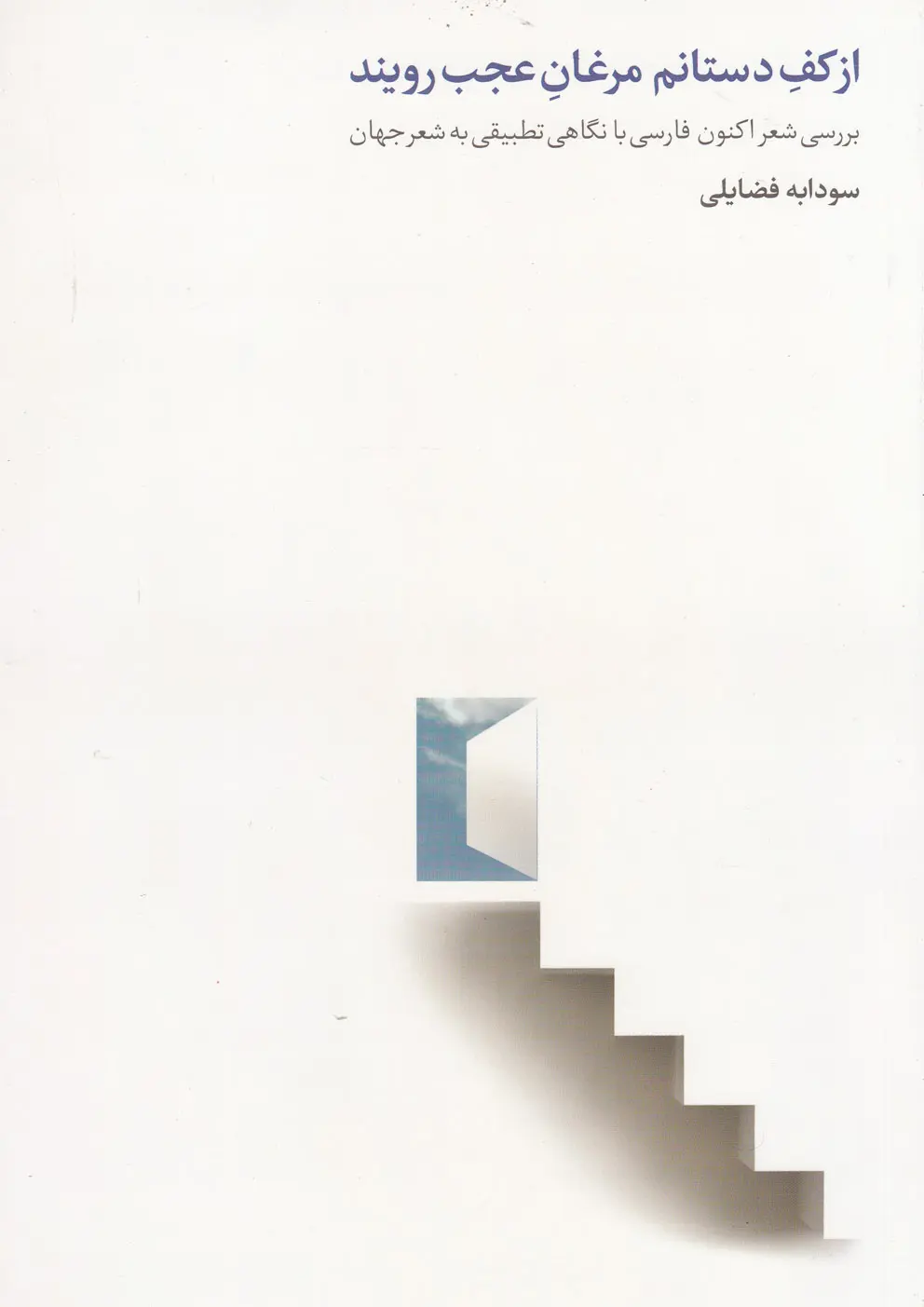
Az kaff-i dastān-am murghān-i ʻajab rūyand: Barresī-yi shiʻr-i aknūn-i Fārsī bā nigāhī taṭbīqī bih shiʻr-i jahān Persian 2013
از کف دستانم مرغان عجب رویند: بررسی شعر اکنون فارسی با نگاهی تطبیقی به شعر جهان
14.80 $

Share
Wishlist
“Dictionary of Persian Mythology and Folklore, Legends and Beliefs of Iran” is a comprehensive reference work on Iranian mythology, folklore, and cultural history. Through the collection and analysis of myths, legends, rituals, symbols, and mythical figures, the work presents a broad picture of the Iranian worldview and its development across thousands of years.
With a research-oriented approach, this collection examines different layers of Iranian mythology, from ancient traditions to epic narratives and popular beliefs. It explores the connections between mythology, ritual, literature, and the social life of Iranians, making it a valuable resource for researchers, students, and anyone interested in understanding the historical and symbolic roots of Iranian stories and folk traditions.
The collection is organized into three volumes:
Volume One: Elamite mythology, Avestan mythology, and Zoroastrian mythology
Volume Two: Manichaean mythology and the mythology of the Shahnameh
Volume Three: Mithraic mythology, Zurvanite mythology, Mazdakite mythology, and the folklore, legends, and popular beliefs of Iran
Sodabeh Fazeli (born in 1947) is an Iranian writer, translator, and researcher best known for her studies in mythology and symbolism. During more than four decades of cultural activity, she has published over 40 books. She studied English literature in Cambridge and London and pursued studies in Pahlavi language and comparative literature at the Sorbonne University in Paris.
“Dictionary of Persian Mythology and Folklore, Legends and Beliefs of Iran” is regarded as an important source for the study of Iranian mythology, folklore, and the cultural history of this field, bringing together diverse traditions that have shaped Iran’s collective imagination and heritage.
more
مرغان عجب از کف دستانم رویند پژوهشی تطبیقی دربارهی پیوند میان شعر کهن و شعر مدرن است که با تمرکز بر شعر ایران، به بررسی ریشههای تاریخی، فرهنگی و نمادین شعر امروز میپردازد. سودابه فضایلی در این اثر میکوشد نشان دهد که شعر مدرن، حتی با وجود گسست از قالبها و سنتهای پیشین، بر پایهی تجربههای ادبی و هنری گذشته شکل گرفته است.
کتاب در چهار فصل تنظیم شده است: شعر شرق، شعر غرب، شعر اکنون و بخش پیوستها شامل تصاویر، نمایه و مطالب تکمیلی. نویسنده در فصل نخست، مسیر تحول شعر در فرهنگهایی مانند ژاپن، هند، چین، جهان عرب و ایران پس از اسلام را بررسی میکند و در فصل دوم به سنتهای شعری غرب در کشورهایی چون یونان، ایتالیا، اسپانیا، فرانسه، آلمان، اتریش، آمریکا و انگلستان میپردازد.
در بخش سوم، فضایلی به بررسی شعر معاصر و جریانهای پس از نیما میپردازد و موضوعاتی مانند نمادگرایی در شعر امروز، مفهوم شعر اکنون، شعر تجسمی و موسیقی شعر مدرن را تحلیل میکند. رویکرد تطبیقی و نمادشناسانهی نویسنده، این امکان را فراهم میکند که شباهتها و پیوندهای میان تجربههای شعری شرق و غرب و تأثیر متقابل آنها بر یکدیگر آشکار شود.
سودابه فضایلی (متولد 1326 تهران) نویسنده، مترجم و پژوهشگر ایرانی در حوزهی ادبیات تطبیقی، اسطورهشناسی و نمادشناسی است. او در دانشگاههای کمبریج و لندن در زمینه ادبیات انگلیسی و در دانشگاه سوربن پاریس در رشتههای زبان پهلوی و ادبیات تطبیقی تحصیل کرده است. از آثار برجستهی او میتوان به «فرهنگ نمادها» در پنج جلد و پژوهشها و ترجمههای متعدد در زمینه ادبیات و فرهنگ اشاره کرد.
این کتاب اثری ارزشمند برای علاقهمندان به شعر تطبیقی، نقد ادبی و شناخت پیوندهای میان شعر کلاسیک، مدرن و سنتهای ادبی جهان است.
more