

1979 Persian 2024
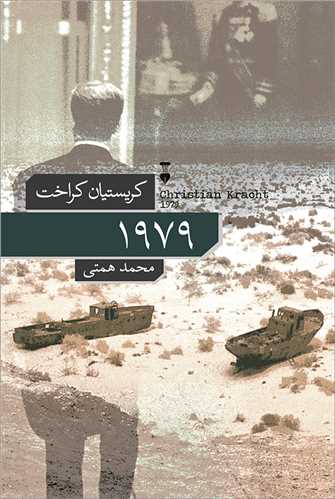
1979
15.74 $

Share
Wishlist
Original Title:
1979
ISBN:
9786004905077
Translator:
Muḥammad Himmatī
Publisher:
Farhang-i Nashr-i Naw
Age Group:
Adult
Pages:
152
Weight:
126 g
Dimensions:
14 x 21 x 1.1 cm
Book Cover:
Paperback
1979 is a novel by Christian Kracht (2001) that tells the story of an aloof, emotionally detached homosexual young man who is inadvertently drawn into the political upheavals of revolutionary Iran and later China. He travels to Tehran with his former boyfriend; as the Iranian Revolution reaches its peak, his companion dies during a drug binge, and the protagonist is lured into a quasi-mystical journey to Tibet, only to be captured by the Chinese army and sent to a re-education camp.
Throughout the novel, the narrator remains largely indifferent to violence, ideology, and repression, showing greater interest in art, music, food, and the surface aesthetics of life than in politics or human suffering. The novel offers a cold and bleak portrait of the decadence of modern humanity—a decadence reflected both in Western consumerism and in Eastern doctrines of salvation—and points to the individual’s inability to resist totalitarian systems.
more
1979 رمانی از کریستیان کراخت (2001) است که سرگذشت جوانی همجنسگرا و سردمزاج را روایت میکند که ناخواسته در آشوبهای سیاسی ایران دوران انقلاب و سپس چین گرفتار میشود. او همراه دوست سابقش به تهران میآید؛ همزمان با اوجگیری انقلاب، دوستش در اثر مصرف مواد مخدر میمیرد و قهرمان داستان به سفری عرفانینما به تبت کشانده میشود، اما بهدست ارتش چین اسیر و روانه اردوگاه بازآموزی میگردد.
راوی در برابر خشونت، ایدیولوژی و سرکوب، واکنشی جدی نشان نمیدهد و بیش از سیاست و رنج انسانی، مجذوب هنر، موسیقی، غذا و ظواهر زندگی است. رمان تصویری سرد و تلخ از انحطاط انسان مدرن ارایه میدهد؛ انحطاطی که هم در مصرفگرایی غربی و هم در ایدیولوژیهای نجاتبخش شرقی بازتاب مییابد و به ناتوانی فرد در مقاومت در برابر نظامهای تمامیتخواه اشاره دارد.
more