

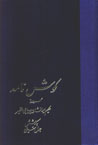
Kūsh Nāmah Persian 1998
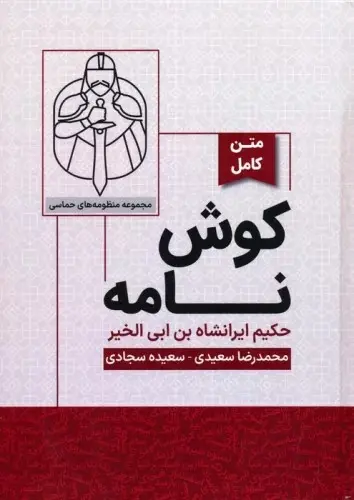
کوش نامه
76.93 $

Share
Wishlist
ISBN:
9644040023
Editor:
Jalāl Matīnī
Publisher:
'Ilmi
Age Group:
Adult
Pages:
875
Weight:
1532 g
Dimensions:
15 x 23 x 5 cm
Book Cover:
Hard Cover
“Kush-nama” is one of the valuable epic poems of Persian literature, narrating the life and adventures of Kush-e Pil-Dandan (Kush the Elephant-Toothed), the nephew of Zahhak. The poem was composed by Iranshan ibn Abi al-Khayr in the early sixth century AH, between 500 and 504 AH, in 10,129 verses using the motagharib meter, and was dedicated to Muhammad ibn Malik-Shah Seljuk.
Considered one of the lesser-known epics of Persian literature, “Kush-nama” presents an extensive account of the life of Kush-e Pil-Dandan, a figure who initially appears as a tyrannical and demonic character, but whose life journey is marked by transformation, awareness, and a return to justice. The narrative connects with Iranian mythological traditions, including stories of Jamshid, Zahhak, and Fereydun, while also incorporating events across eastern and western lands, creating a vast world of myth, history, and legend.
The poem consists of three main sections: an introduction praising God, wisdom, and the Prophet of Islam; a section explaining the origin of the narrative and the discovery of the story of Kush; and the main part, which recounts the long and eventful life of Kush-e Pil-Dandan.
“Kush-nama” holds a unique position among Persian epics due to its distinctive characteristics, including the portrayal of a protagonist who, unlike traditional epic heroes, begins as an enemy of Iran and a symbol of evil; the extensive presence of Islamic and Semitic elements; and its alternative interpretations of certain familiar figures and events from the Shahnameh.
The work is also of great scholarly importance, as its only known manuscript is preserved in the British Library, and its critical edition was first prepared by Jalal Matini. This edition, compiled and edited through Matini’s efforts, provides valuable access to a less explored aspect of the Persian epic tradition and the mythological world of Iran.
more
«کوشنامه» یکی از منظومههای حماسی ارزشمند زبان فارسی است که به سرگذشت کوش پیلدندان، برادرزادهی ضحاک، میپردازد. این منظومه را ایرانشان بن ابیالخیر در اوایل قرن ششم هجری، میان سالهای 500 تا 504 قمری، در 10٬129 بیت و در بحر متقارب سروده و به محمد بن ملکشاه سلجوقی تقدیم کرده است.
این اثر که از حماسههای کمتر شناختهشدهی ادب فارسی به شمار میآید، روایتی گسترده از زندگی کوش پیلدندان ارایه میکند؛ شخصیتی که در آغاز داستان چهرهای ستمگر و اهریمنی دارد، اما مسیر زندگی او با دگرگونی، شناخت و بازگشت به دادگری همراه میشود. داستان کوشنامه با پیوندهایی به روایتهای اساطیری ایران، از جمشید، ضحاک و فریدون گرفته تا حوادثی در سرزمینهای شرق و غرب، جهانی گسترده از اسطوره، تاریخ و افسانه را پیش روی خواننده قرار میدهد.
«کوشنامه» از سه بخش اصلی تشکیل شده است: دیباچهای در ستایش خداوند، خرد و پیامبر اسلام؛ بخشی دربارهی شکلگیری روایت و یافتن داستان کوش؛ و بخش اصلی که به شرح زندگی طولانی و پرماجرای کوش پیلدندان اختصاص دارد.
این منظومه به دلیل ویژگیهای منحصربهفرد خود، جایگاهی ویژه در میان حماسههای فارسی دارد؛ از جمله روایت زندگی شخصیتی که برخلاف قهرمانان معمول حماسی، در ابتدا دشمن ایران و نمادی از شرارت است، حضور گستردهی عناصر اسلامی و سامی، و ارایهی روایتی متفاوت از برخی شخصیتها و رخدادهای آشنای شاهنامه.
«کوشنامه» همچنین از نظر پژوهشی اهمیت فراوانی دارد؛ زیرا تنها نسخهی شناختهشدهی آن در کتابخانه بریتانیا نگهداری میشود و تصحیح آن نخستینبار به کوشش جلال متینی انجام گرفت. این اثر دریچهای ارزشمند به بخشی کمتر دیدهشده از سنت حماسهسرایی فارسی و جهان اسطورهای ایران میگشاید.
این نسخه به همت جلال متینی گردآوری شده است.
more