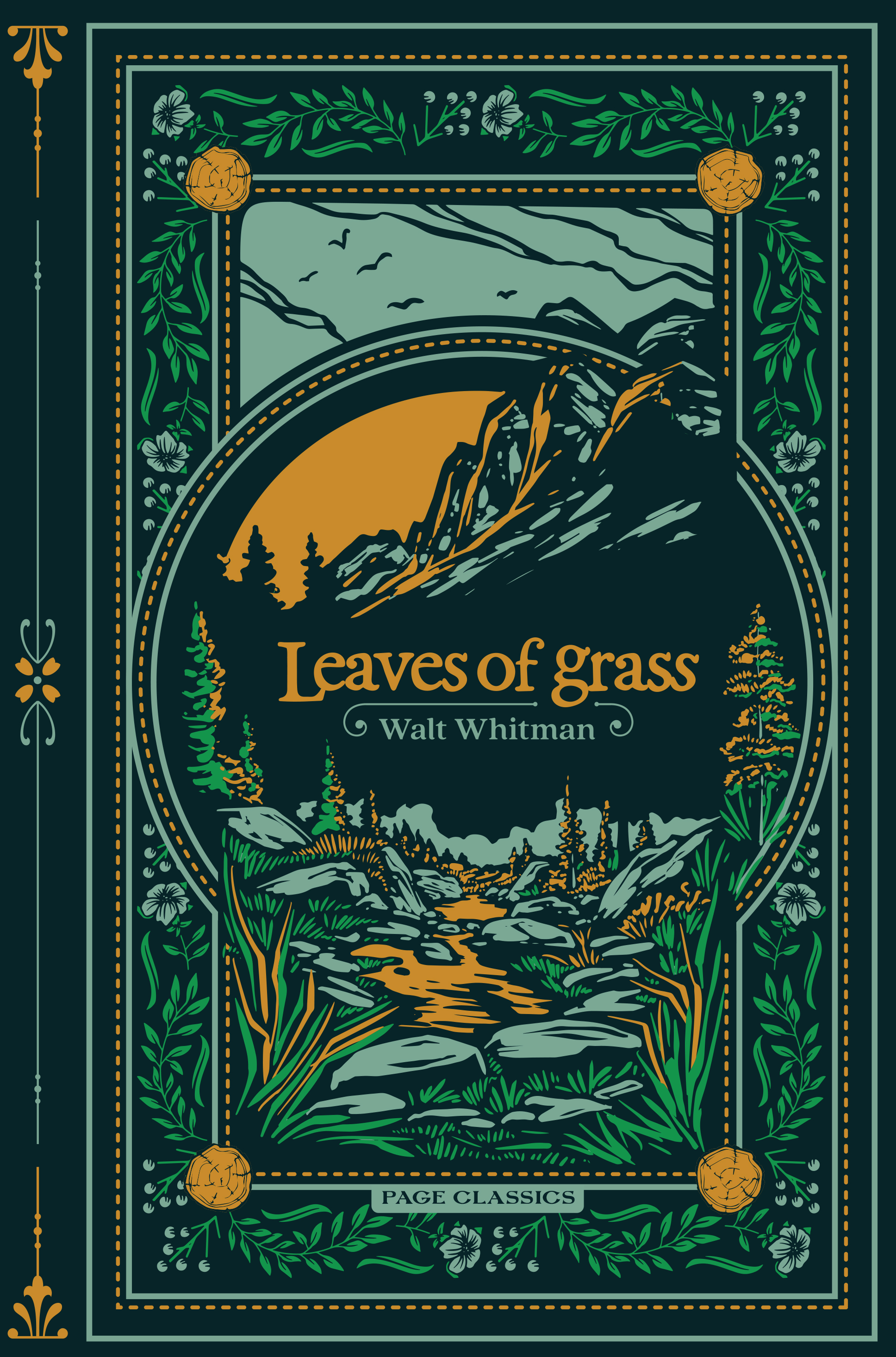


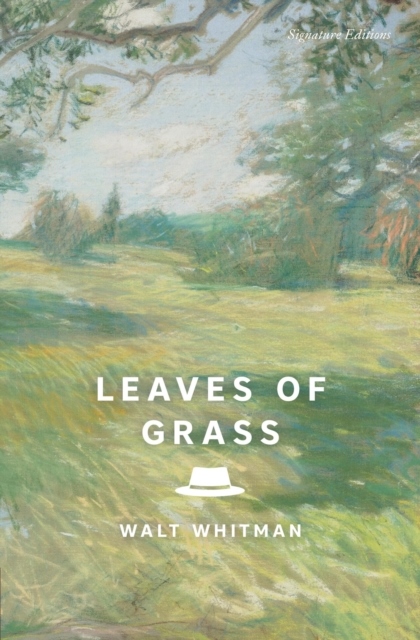
Leaves of Grass (Signature Editions) English 2026
Currently not available

Share
Wishlist
Share
Wishlist
ISBN:
9781454962458
Publisher:
Little Brown
Pages:
600
Weight:
14 g
Dimensions:
13 x 20 x 30 cm
Book Cover:
Paperback
Walt Whitman's seminal poetry collection celebrating life, nature, philosophy, and spirituality, now repackaged for Union Square and Co.'s Signature Editions series.
Leaves of Grass is a poetry collection by the American poet Walt Whitman (18191892). Though the first edition was published in 1855, Whitman spent his entire life writing and re-writing Leaves of Grass, revising it in several editions until his death. This resulted in vastly different editions over four decades-the first a small book of twelve poems and the last a compilation of over 400 poems. We are reissuing the complete 1892 text, known as the "deathbed edition," which Whitman personally stated should be used for all future reprintings.
The poems of Leaves of Grass are loosely connected and each represents Whitman's celebration of his philosophy of life and humanity. This book is notable for its discussion of delight in sensual pleasures during a time when such candid displays were considered immoral. Where much previous poetry, especially English, relied on symbolism, allegory, and meditation on the religious and spiritual, Leaves of Grass (particularly the first edition) exalted the body and the material world. Influenced by Ralph Waldo Emerson and the Transcendentalist movement, itself an offshoot of Romanticism, Whitman's poetry praises nature and the individual human's role in it. However, much like Emerson, Whitman does not diminish the role of the mind or the spirit; rather, he elevates the human form and the human mind, deeming both worthy of poetic praise.
more
more