

Sūqūṭ Persian 2026
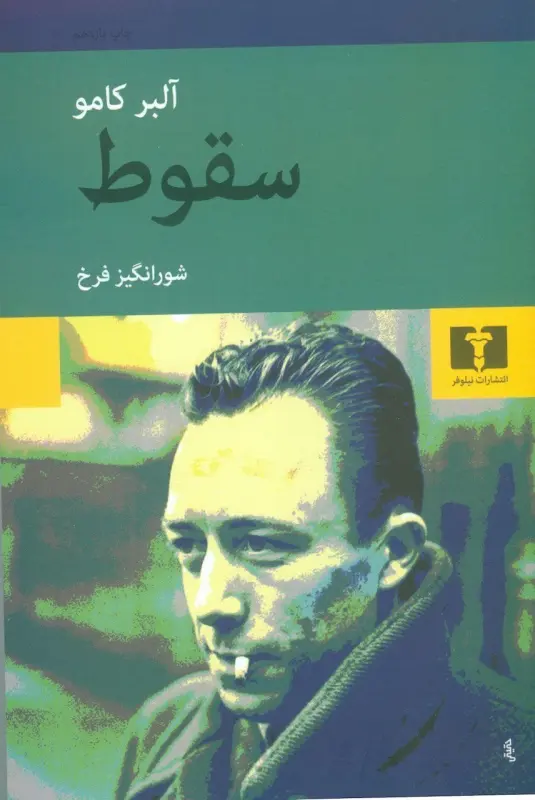
سقوط
17.01 $

Share
Wishlist
“The Fall” is a philosophical novel by Albert Camus, the French writer and thinker, first published in 1956. This short novel is presented as a first-person monologue narrated by Jean-Baptiste Clamence, a former successful lawyer who now describes himself as a “judge-penitent.”
The story begins in Amsterdam, where Clamence engages in a conversation with an unnamed stranger. Through a series of encounters, he recounts his past: a time when he was a respected and successful lawyer in Paris, seemingly generous and compassionate, and convinced of his own moral superiority. However, a single incident shatters this confident image of himself. While crossing a bridge one night, Clamence hears a woman fall into the river but does not act to save her. The memory of his failure to intervene becomes the starting point of a profound personal crisis.
Gradually, Clamence realizes that many of his virtues and acts of kindness were intertwined with vanity, the desire for admiration, and a sense of superiority over others. His confessions move beyond personal memories and become an exploration of themes such as guilt, remorse, judgment, responsibility, hypocrisy, loneliness, and the possibility of human redemption. Even confession itself is not entirely innocent in the world of The Fall; by condemning himself, Clamence also places others on trial.
Through dark irony and a concise, powerful style, Camus examines the gap between the image people create of themselves and the truth of their actions at decisive moments. From this perspective, “The Fall” is not merely the story of an individual’s collapse, but a profound philosophical and moral reflection on modern humanity and its constant desire to judge both itself and others.
Alongside works such as “The Stranger,” The Fall is considered one of Camus’s most important fictional works. However, while The Stranger confronts alienation and the absence of conventional remorse, The Fall directly confronts the awareness of guilt and the impossibility of escaping one’s own judgment.
more
«سقوط» (The Fall) رمانی فلسفی از آلبر کامو، نویسنده و متفکر فرانسوی، است که نخستینبار در سال 1956 منتشر شد. این رمان کوتاه به شکل تکگویی اولشخص روایت میشود و راوی آن ژان باتیست کلامنس، وکیل موفق سابقی است که اکنون خود را «قاضی توبهکار» مینامد.
داستان در آمستردام و با گفتوگوی کلامنس با غریبهای ناشناس آغاز میشود. او طی چند دیدار، گذشته خود را بازگو میکند؛ دورانی که در پاریس وکیلی موفق، محترم و ظاهراً نوعدوست بود و خود را انسانی اخلاقی و برتر از دیگران میدانست. اما حادثهای در یک شب، این تصویر مطمین از خویشتن را فرو میریزد. کلامنس هنگام عبور از پلی صدای افتادن زنی در رودخانه را میشنود، اما برای نجات او اقدامی نمیکند. خاطره این بیعملی به نقطه آغاز بحرانی عمیق در زندگی او تبدیل میشود.
کلامنس بهتدریج درمییابد که بسیاری از فضیلتها و اعمال خیرخواهانهاش با خودپسندی، میل به تأیید دیگران و احساس برتری آمیخته بودهاند. اعترافات او از یک خاطره شخصی فراتر میرود و به واکاوی مفاهیمی چون گناه، عذاب وجدان، داوری، مسیولیت، ریاکاری، تنهایی و امکان رستگاری انسان تبدیل میشود. حتی اعتراف نیز در جهان «سقوط» عملی کاملاً بیطرفانه نیست؛ کلامنس با محکوم کردن خود، دیگران را نیز به محاکمه میکشاند.
کامو در این اثر با طنزی تلخ و زبانی فشرده، فاصله میان تصویری را که انسان از خود میسازد و حقیقت رفتار او در لحظههای تعیینکننده بررسی میکند. «سقوط» از این منظر نه فقط داستان فروپاشی یک فرد، بلکه تأملی فلسفی و اخلاقی درباره انسان مدرن و میل دایمی او به داوری خود و دیگران است.
این رمان در کنار آثاری چون «بیگانه» از مهمترین نوشتههای داستانی کامو به شمار میآید؛ با این تفاوت که اگر «بیگانه» با مسیله بیگانگی و فقدان عذاب وجدان روبهرو میشود، «سقوط» خواننده را مستقیماً با آگاهی از گناه و ناتوانی در گریز از داوری خویشتن مواجه میکند.
more