

Bar ustukhān-hā-yi mardagān Persian 2025
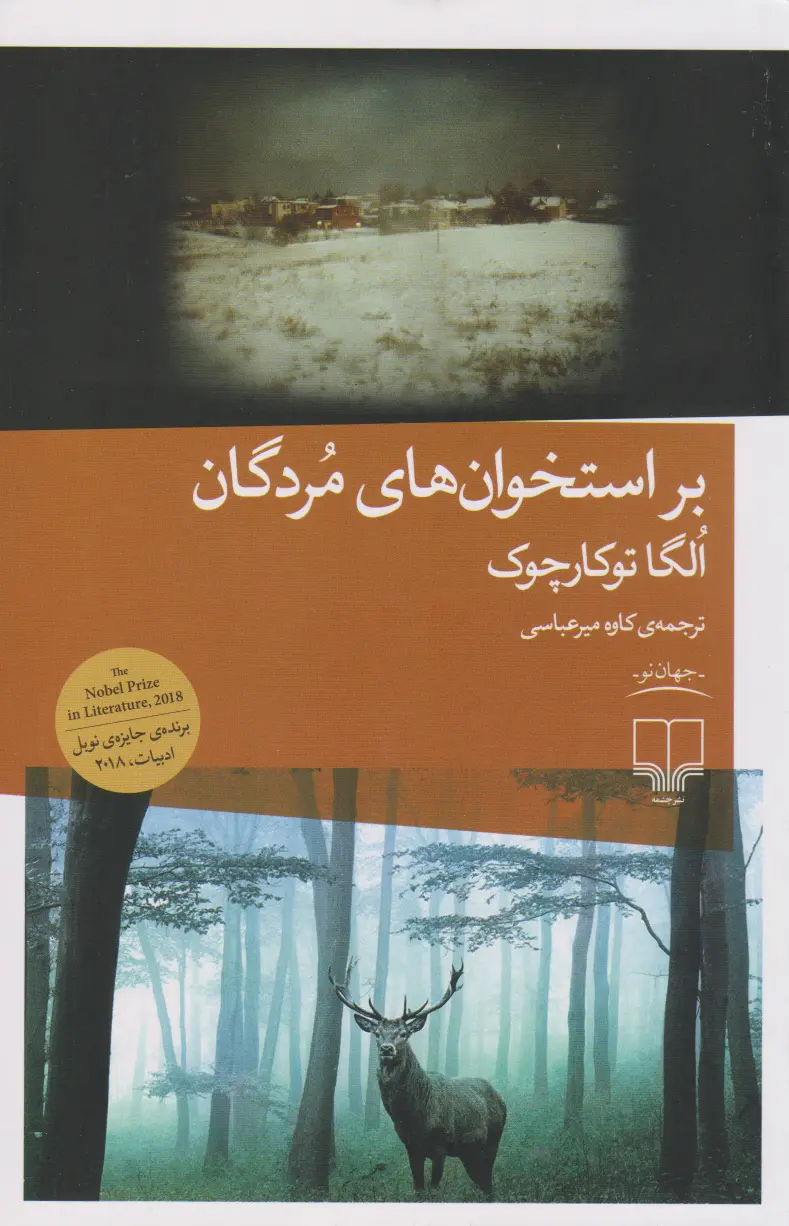
بر استخوان های مردگان
17.02 $

Share
Wishlist
Original Title:
Prowadź swój pług przez kości umarłych
ISBN:
9786220108412
Translator:
Kavih Mir 'Abbasi
Publisher:
Chishmih
Age Group:
Adult
Pages:
294
Weight:
270 g
Dimensions:
14 x 21 x 2 cm
Book Cover:
Paperback
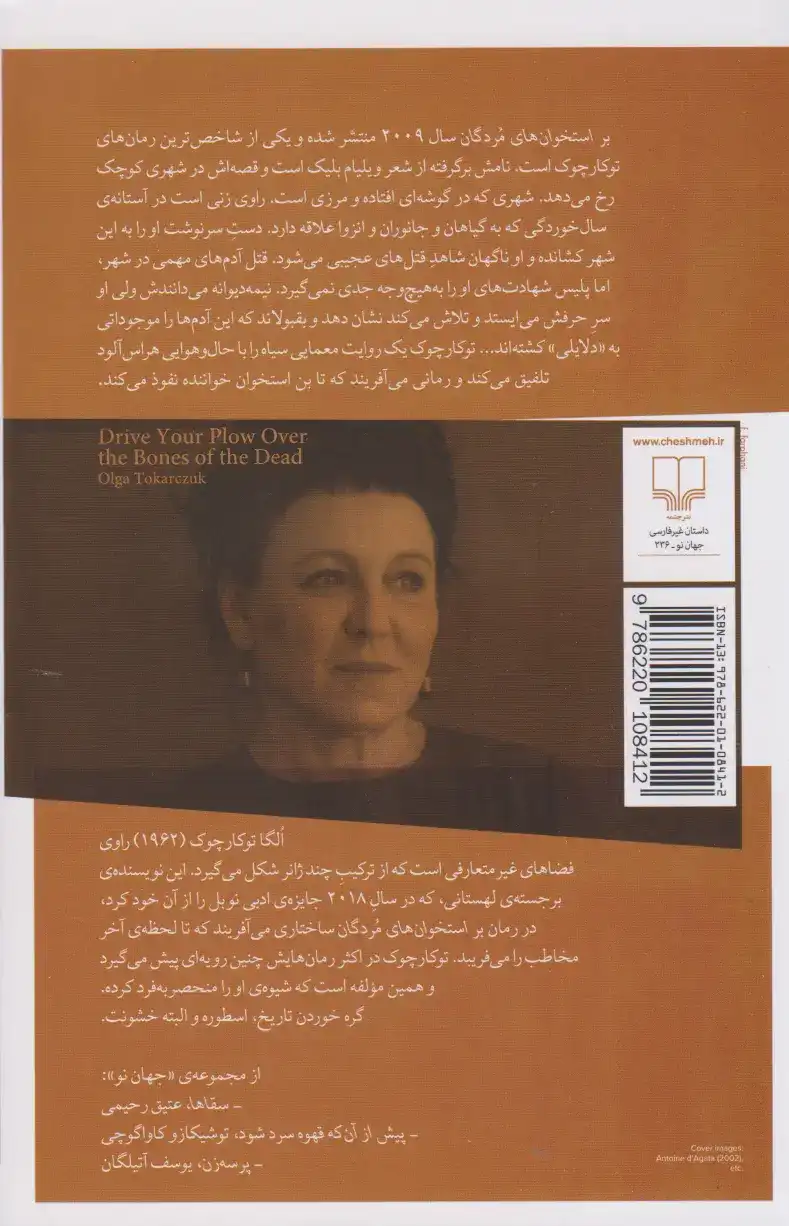
“Drive Your Plow Over the Bones of the Dead” is a philosophical mystery novel by Olga Tokarczuk, one of Poland’s most acclaimed writers and the winner of the 2018 Nobel Prize in Literature. First published in Polish in 2009, the novel was shortlisted for the 2019 International Booker Prize and attracted considerable attention from readers and critics for its unique combination of crime fiction, philosophical reflection, and environmental concerns.
The story follows Janina Duszejko, an elderly retired teacher living in a remote village in Poland’s Silesia region. She is an unconventional and solitary figure: she is interested in astrology, translates the poetry of William Blake, and is a passionate defender of animals and nature. Her strong opposition to hunting and human exploitation of animals forms a central part of her worldview.
When a local hunter dies under mysterious circumstances, Janina begins to believe that perhaps the animals who have been victims of human violence have taken revenge against those who harmed them. As similar deaths occur, her theories are dismissed by the police and the local community; nevertheless, she continues searching for the truth and trying to uncover the connections between these events.
Through a distinctive and sometimes humorous narrative voice, Tokarczuk explores themes such as justice, morality, violence, loneliness, aging, and humanity’s relationship with nature. The novel is not merely a crime story, but a profound examination of humanity’s place in the world and a questioning of the value assigned to other forms of life.
The title of the book is taken from William Blake’s “Proverbs of Hell”, creating a connection between poetry, imagination, moral protest, and environmental thought. “Drive Your Plow Over the Bones of the Dead” is a story about the boundaries between humans and nature, and an attempt to reconsider the concepts of power, ownership, and the value of life defined by society.
more
«راندن گاوآهن بر استخوانهای مردگان» رمانی معمایی و فلسفی از اولگا توکارچوک، نویسنده برجسته لهستانی و برنده جایزه نوبل ادبیات 2018 است که نخستینبار در سال 2009 به زبان لهستانی منتشر شد. این اثر در سال 2019 در فهرست نهایی جایزه بینالمللی بوکر قرار گرفت و به دلیل تلفیق داستان جنایی با اندیشههای فلسفی و زیستمحیطی، توجه بسیاری از خوانندگان و منتقدان را جلب کرد.
داستان دربارهی یانینا دوشیکو، معلم بازنشستهای سالخورده است که در روستایی دورافتاده در منطقه سیلزی لهستان زندگی میکند. او شخصیتی متفاوت و منزوی دارد؛ به طالعبینی علاقهمند است، شعرهای ویلیام بلیک را ترجمه میکند و مدافعی سرسخت از حقوق حیوانات و طبیعت است. مخالفت شدید او با شکار و بهرهکشی انسان از حیوانات، بخش مهمی از نگاه او به جهان را شکل میدهد.
با مرگ مرموز یکی از شکارچیان محلی، یانینا باور دارد که شاید حیوانات قربانیشده در برابر انسانهایی که به آنها آسیب رساندهاند، دست به انتقام زده باشند. هنگامی که مرگهای مشابه دیگری رخ میدهد، نظریههای او از سوی پلیس و جامعه جدی گرفته نمیشود؛ اما او همچنان به دنبال کشف حقیقت و یافتن ارتباط میان این حوادث باقی میماند.
توکارچوک در این رمان با استفاده از روایتی متفاوت و گاه طنزآمیز، موضوعاتی همچون عدالت، اخلاق، خشونت، تنهایی، سالمندی و رابطه انسان با طبیعت را بررسی میکند. اثر تنها یک داستان جنایی نیست، بلکه پرسشی عمیق درباره جایگاه انسان در جهان و ارزش زندگی موجودات دیگر مطرح میکند.
عنوان کتاب از «امثال جهنم» ویلیام بلیک گرفته شده و پیوندی میان شعر، تخیل، اعتراض اخلاقی و اندیشههای زیستمحیطی ایجاد میکند. «راندن گاوآهن بر استخوانهای مردگان» روایتی است دربارهی مرزهای میان انسان و طبیعت و تلاشی برای بازنگری در مفاهیمی که جامعه دربارهی قدرت، مالکیت و ارزش زندگی تعریف کرده است.
more