

Junbish-hā-yi dīnī-yi Īrānī Persian 2027
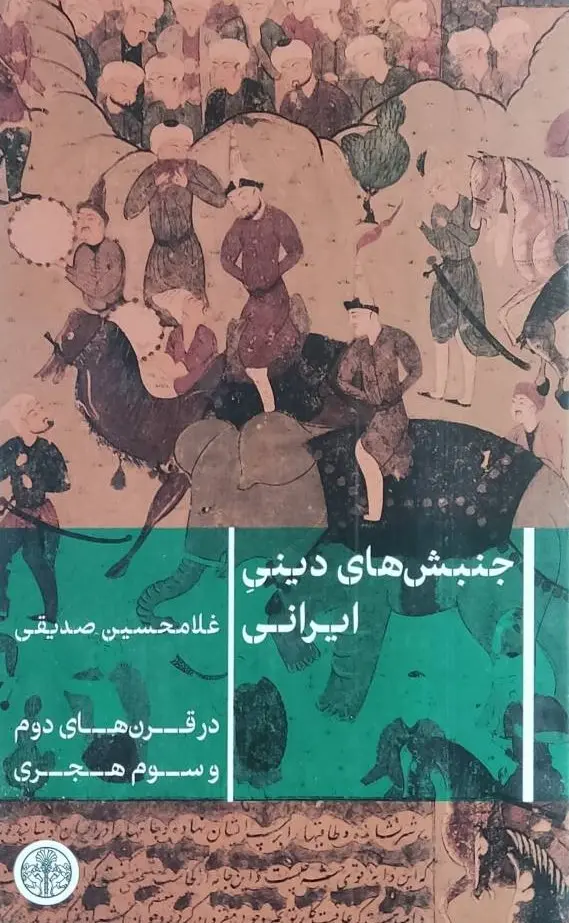
جنبشهای دینی ایرانی: در قرنهای دوم و سوم هجری
17.72 $

Share
Wishlist
Original Title:
جنبشهای دینی ایرانی در قرنهای دوم و سوم هجری
ISBN:
9786224520012
Publisher:
Kitab-i Parsih
Age Group:
Adult
Pages:
392
Weight:
650 g
Dimensions:
14 x 21 x 2.4 cm
Book Cover:
Hard Cover
Iranian Religious Movements by Gholamhossein Seddiqi is a significant work in the fields of historical sociology and the study of Iran’s intellectual and social transformations. The book reflects Seddiqi’s distinctive scholarly approach to Iranian history, examining the interconnected relationships between history, religion, society, and politics. As one of the pioneers of sociology in Iran and a distinguished professor at the University of Tehran, Seddiqi approaches religious movements not merely as theological phenomena, but as social and historical developments shaped by their broader contexts.
The importance of this work lies primarily in the author’s analytical perspective. Rather than examining religious movements only through doctrines and theological debates, Seddiqi seeks to understand the social and historical conditions that gave rise to them. He explores the circumstances in which these movements emerged, the grievances and aspirations they reflected, and the ways in which they influenced structures of power, public culture, and the historical trajectory of Iranian society.
In this sense, Iranian Religious Movements establishes a connection between historiography, the sociology of religion, and civilizational analysis. The book examines various movements throughout Iranian history that, through new interpretations of religion or within religious frameworks, contributed to social change. Seddiqi demonstrates that religion in Iranian history has not been merely a personal or ritual matter, but has repeatedly appeared as a social and sometimes political force. From this perspective, religious movements often emerged in response to social crises, inequalities, political pressures, or collective searches for justice and meaning.
One of the major strengths of the book is its attention to Iran’s unique cultural and historical context. Seddiqi argues that although religious movements may belong to broader traditions of religious history or the Islamic world, they acquire distinct forms and meanings within Iranian society. These movements become intertwined with Iran’s historical memory, cultural traditions, and political experiences. Throughout different periods, Iranian society has reinterpreted religious concepts and used them as means of expressing protest, seeking reform, or imagining social transformation.
The book is written in a clear, balanced, and analytical style. Seddiqi avoids rushed judgments and ideological bias, grounding his interpretations in historical evidence and logical reasoning. This approach has contributed to the work’s continuing importance as a valuable resource for students and researchers of Iran’s social history. In this study, the author appears neither as a religious advocate nor as a critic of belief systems, but rather as a scholar seeking to explain the relationship between religion and society within Iran’s historical experience.
Intellectually, Iranian Religious Movements reflects Seddiqi’s broader effort to understand Iranian history through social and cultural forces rather than merely through individual actions or political events. His approach reveals that religious movements were often collective responses to profound social conditions, rather than simply ideological deviations or temporary uprisings.
Overall, Iranian Religious Movements remains an important work for understanding Iran’s intellectual and social history. Its significance extends beyond the description of specific religious movements, lying instead in its sociological and analytical framework for interpreting these phenomena. Seddiqi presents religious movements as integral elements of Iranian historical experience, emerging from social and cultural circumstances and capable of shaping the course of history. The book continues to serve as a valuable contribution to understanding the complex relationship between religion, society, and history in Iran.
more
کتاب «جنبشهای دینی ایرانی» نوشتهی غلامحسین صدیقی، پژوهشی ارزشمند در زمینهی جامعهشناسی تاریخی و بررسی نقش دین در تحولات اجتماعی ایران است. نویسنده در این اثر، جنبشهای دینی را نه صرفاً به عنوان جریانهایی اعتقادی، بلکه بهعنوان پدیدههایی اجتماعی و تاریخی بررسی میکند که در بستر شرایط فرهنگی، سیاسی و اجتماعی جامعه شکل گرفتهاند.
صدیقی با رویکردی تحلیلی، به بررسی زمینههای پیدایش جنبشهای دینی، عوامل موثر بر شکلگیری آنها و تأثیرشان بر ساختارهای اجتماعی و فکری ایران میپردازد. او نشان میدهد که دین در تاریخ ایران همواره تنها امری فردی نبوده، بلکه در بسیاری از دورهها به نیرویی اجتماعی تبدیل شده و بازتابی از نیازها، بحرانها و خواستههای جامعه بوده است.
این کتاب با پیوند دادن تاریخ، جامعهشناسی دین و تحلیل فرهنگی، تصویری عمیق از رابطهی میان باورهای دینی و تحولات تاریخی ایران ارایه میدهد. «جنبشهای دینی ایرانی» اثری مهم برای پژوهشگران تاریخ، جامعهشناسی، علوم سیاسی و علاقهمندان به شناخت جریانهای فکری و اجتماعی ایران است.
more