

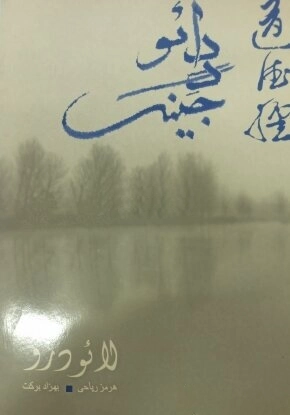
Dāo de Jīng Persian 1998
دایو د جینگ
14.61 $

Share
Wishlist
Original Title:
道德經
ISBN:
9789643430108
Translator:
Hurmuz Riyahi
,
Bihzād Barikat
Publisher:
Fikr-i Ruz
Age Group:
Adult
Pages:
183
Weight:
408 g
Dimensions:
20 x 28 x 1 cm
Book Cover:
Paperback
Dao De Jing is an ancient work of Daoist (Taoist) philosophy that addresses principles of governance, ethics, and the cultivation of a wise way of life. The title consists of three components: Dao, meaning the Way or the fundamental flow of existence; De, referring to virtue or the power that arises from alignment with the Dao; and Jing, meaning a classic or authoritative text.
As a universal principle, the Dao permeates all things—from nature and human movement to the stars and the cosmos. On this basis, Dao De Jing may be understood as “The Way and Its Virtue.” The work is attributed to Laozi, the great sage of ancient China and a contemporary of Confucius. It presents a body of philosophical and mystical teachings concerning the nature of the universe, humanity, the natural world, inner tranquility, compassion toward others, and the proper art of governance.
The book also offers a portrayal of the wise or enlightened person—one who has attained profound understanding of the world and unity with it, and who acts accordingly with balance and ethical awareness. Dao De Jing is composed of 81 short sections, each conveying moral and spiritual insights through concise, poetic expressions and subtle counsel.
more
دایو د جینگ کتابی کهن از فلسفهٔ دایویی (دایوییسم) است که به آیین کشورداری، اخلاق، و زیست خردمندانه میپردازد. عنوان کتاب از سه جزء تشکیل شده است: «دایو» به معنای راه یا جریان بنیادین هستی، «د» به معنای فضیلت یا نیروی برخاسته از پیروی از دایو، و «جینگ» به معنای کتاب یا متن کلاسیک. دایو بهعنوان اصل فراگیر جهان، در همه چیز جریان دارد؛ از طبیعت و حرکت انسانها گرفته تا ستارگان و کیهان. بر همین اساس، دایو د جینگ را میتوان «راه و فضیلت» معنا کرد. این اثر به لایو دزو، حکیم بزرگ چین باستان و همعصر کنفوسیوس، نسبت داده میشود و مجموعهای از تعالیم حکمی و عرفانی دربارهٔ جهان، انسان، طبیعت، آرامش در زندگی، همنوعدوستی و شیوهٔ درست زمامداری ارایه میدهد. کتاب همچنین به توصیف انسان خردمند میپردازد؛ انسانی که با شناخت ژرف جهان و یگانگی با آن، رفتاری هماهنگ و اخلاقی دارد. دایو د جینگ در 81 بخش کوتاه نوشته شده و هر بخش، بهصورتی موجز و شاعرانه، حاوی پندها و آموزههای اخلاقی و عرفانی است.
more