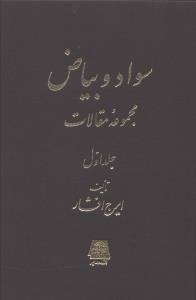


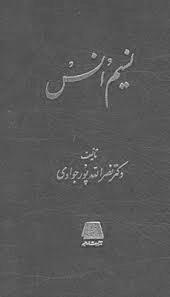
Nasīm-e ons Persian 2005
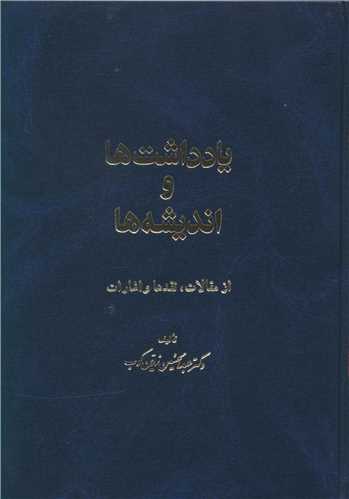
نسیم انس
14.61 $

Used
Condition :
Share
Wishlist
This volume is a collection of articles on Iranian Sufism by Nasrollah Pourjavady. In the introduction, the author states that the common thread linking the articles included in this book may be summarized as follows: all of them, to varying degrees, address issues related to Iranian Sufism and the interpretation of the meanings and themes of Persian Sufi poetry. In these essays, attention is given to the ideas, sayings, and poetry of figures such as Ahmad Ghazali, Ayn al-Qozat Hamadani, Attar of Nishapur, Jalal al-Din Rumi, and Saadi of Shiraz; in particular, the article entitled Nasim-e Uns focuses especially on Hafez of Shiraz.
In Nasim-e Uns, Dr. Pourjavady writes that breathing is a vital act which human beings perform naturally and instinctively, so habitual that it usually escapes notice unless an obstruction arises or the air becomes perceptibly polluted, or for other reasons draws our attention. Yet this very breath, inhaled in a state of heedlessness, is regarded by the people of spiritual knowledge as a manifestation of profound wonders. Paying attention to it, remaining conscious of it, and focusing one’s full awareness upon it—an act referred to by earlier mystics as pās-e anfās (guarding the breaths)—is considered the first and most essential step in the inward spiritual path and in cultivating awareness of the heart. Mystics have sought God within their own breath and therefore regarded the guarding of the breaths as an act of worship. It is reported, for example, that Bayazid Bastami said: “The worship of the people of gnosis is the guarding of the breaths.” Likewise, Saadi of Shiraz, who in the introduction to the Golestān speaks of two blessings present in every breath and the obligation of gratitude for each blessing, is in fact alluding to this same form of worship, for it is through such gratitude that a person becomes mindful of his own breaths.
The other articles included in the volume are entitled: The Dog of the Beloved’s Alley and the Dust of His Path; The Lover-Slaying Arrow; At the Threshold of the Placeless; Rumi and Khorasani Sufism; “Since They Cut Me from the Reed Bed”; The Love Stories of Majnun; Similitude and Transcendence; Mystical Poetry and Rindaneh Poetry; and The Two-Faced Iblis.
more
کتاب حاضر مجموعهٔ مقالاتی است دربارهٔ تصوف ایرانی از دکتر پورجوادی. مولف در مقدمهٔ کتاب آورده: وجه اشتراک مقالاتی را که در این دفتر به چاپ رسیده اگر بخواهم در یک جمله خلاصه کنم این است که همهٔ آنها کم و بیش به مباحث تصوف ایرانی و شرح معانی و مضامین شعر صوفیانهٔ پارسی مربوط میشود. در این مقالات به اندیشهها و سخنان و اشعار بزرگانی چون احمد غزالی و عینالقضات همدانی و عطار و مولانا و سعدی و در مقالهٔ «نسیم انس» بخصوص به حافظ توجه داشتهام.
دکتر پورجوادی در مقالهٔ نسیم انس آورده: «نفس کشیدن کاری حیاتی است که ما به طور طبیعی و غریزی انجام میدهیم، آنقدر طبیعی که ما معمولاً توجهی به آن نداریم، مگر اینکه مانعی بر سر این کار پیش آید یا هوا بهطور محسوسی آلوده شود یا به دلایلی دیگر توجه ما به آن جلب شود. اما همین نفسی که ما از روی غفلت میکشیم، دمی که فرو میبریم، از نظر اهل معرفت مظهر عجایب است و توجه کردن به آن و آگاه بودن از آن و متمرکز کردن همهٔ هوش و حواس خود به آن، کاری که عرفای ما در قدیم به آن «پاس انفاس» گفتهاند، نخستین و مهمترین گام در سلوک راه باطن و دلآگاهی به شمار میآید. عارفان خدای خود را در نفس خویش جستهاند و از این رو پاس انفاس داشتن را عبادت دانستهاند، چنانکه از قول بایزید بسطامی نقل کردهاند که گفت: «عبادتْ اهل معرفت را پاس انفاس است» سعدی نیز که در مقدمهٔ گلستان در هر نفسی دو نعمت موجود دانسته و برای هر نعمتی شکری واجب، در حقیقت به همین عبادت اشاره کرده است، چه در همین شکر کردن است که انسان مراقب نفسهای خویش میگردد...»
دیگر مقالات کتاب عبارتند از : سگ کوی دوست و خاک راهش، تیر عاشقکش، در آستان لامکان، مولوی و تصوف خراسان، از نیستان تا مرا ببریدهاند، قصههای عشق مجنون، تشبیه و تنزیه، شعر عارفانه و شعر رندانه، ابلیس دو رو.
more