

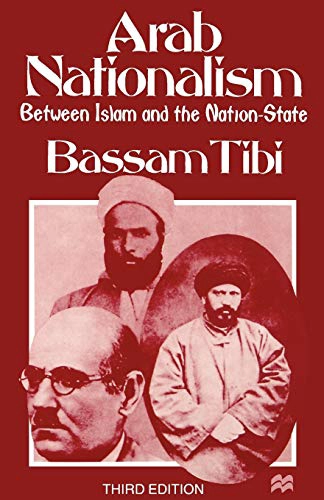
Arab Nationalism: Between Islam and the Nation-State English 1997
ناسیونالیسم عربی Den arabiska nationalismen: میان اسلام و دولت-ملت mellan islam och nationalstaten
16.85 $

Used
Condition :
Share
Wishlist
ISBN:
9780333636473
Publisher:
Palgrave Macmillan
Age Group:
Adult
Pages:
365
Weight:
482 g
Dimensions:
17 x 24 x 3 cm
Book Cover:
Hard Cover
The third edition includes a new Part Five on the tensions between Arab nationalism and Islam arising from the crisis of the nation-state and of the de-legitimisation of Pan-Arab regimes. The effects of the Arab defeat in the Six-Day War 1967 and the rise of political Islam in the 1970s are the focus of the new part. The background of the analysis of the impact and function of nationalism and its contribution to social and political change in the Third World, taking the rise of nationalism in the Middle East as a historical example. Professor Tibi concentrates on the period after the First World War, when many Arab intellectuals became disillusioned with Britain and France as a result of the occupation of their countries. One focus of this study are the writings and influence of Sati' al-Husri on Middle Eastern politics. Professor Tibi illustrates the connection between modern Arab nationalism and nineteenth-century German Romantic nationalism, which will be of particular interest to the English reader. Professor Tibi concludes that while nationalism has played a necessary and important role in the movement for national independence in the Middle East, it has since developed into an ideology which seems to obstruct further social and political emancipation. This third edition, brought completely up to date by a substantial new introduction and two new concluding chapters, will be of particular interest to historians and social scientists dealing with nationalism and crises of the nation-state as well as to students of the Middle East and contemporary Islam.
more
ویرایش سوم این کتاب شامل بخش پنجم جدیدی است که به تنشهای میان ناسیونالیسم عربی و اسلام میپردازد؛ تنشهایی که از بحران دولت-ملت و سلب مشروعیت از رژیمهای پانعربی ناشی شدهاند. پیامدهای شکست اعراب در جنگ ششروزهٔ 1967 و ظهور اسلام سیاسی در دههٔ 1970 محور اصلی این بخش جدید را تشکیل میدهند.
این تحلیل در چارچوب بررسی تأثیر و کارکرد ناسیونالیسم و نقش آن در تغییرات اجتماعی و سیاسی در جهان سوم صورت میگیرد و خیزش ناسیونالیسم در خاورمیانه بهعنوان نمونهای تاریخی مورد توجه قرار میگیرد. پروفسور تیبی تمرکز خود را بر دورهٔ پس از جنگ جهانی اول قرار میدهد؛ زمانی که بسیاری از روشنفکران عرب در پی اشغال سرزمینهایشان، نسبت به بریتانیا و فرانسه دچار سرخوردگی شدند.
یکی از محورهای اصلی این پژوهش، نوشتهها و تأثیر فکری ساطع الحصری بر سیاست خاورمیانه است. پروفسور تیبی همچنین پیوند میان ناسیونالیسم عربی مدرن و ناسیونالیسم رمانتیک آلمان در قرن نوزدهم را نشان میدهد؛ موضوعی که بهویژه برای خوانندگان انگلیسیزبان جالب توجه خواهد بود.
نتیجهگیری پروفسور تیبی این است که اگرچه ناسیونالیسم نقشی ضروری و مهم در جنبشهای استقلال ملی در خاورمیانه ایفا کرده، اما در ادامه به ایدیولوژیای بدل شده است که به نظر میرسد مانع پیشرفت بیشتر رهایی اجتماعی و سیاسی میشود. این ویرایش سوم که با یک مقدمهٔ جدید مفصل و دو فصل پایانی تازه بهطور کامل بهروز شده است، برای تاریخنگاران و دانشمندان علوم اجتماعی علاقهمند به ناسیونالیسم و بحرانهای دولت-ملت، و نیز برای پژوهشگران خاورمیانه و اسلام معاصر، اهمیت ویژهای دارد.
Den tredje upplagan innehåller en ny femte del om spänningarna mellan arabisk nationalism och islam, vilka har uppstått ur nationalstatens kris och ur delegitimeringen av panarabiska regimer. Den nya delen fokuserar på följderna av det arabiska nederlaget i sexdagarskriget 1967 samt framväxten av politisk islam under 1970-talet.
Analysen sätts in i ett bredare sammanhang som behandlar nationalismens betydelse och funktion samt dess bidrag till social och politisk förändring i tredje världen, med nationalismens framväxt i Mellanöstern som ett historiskt exempel. Professor Tibi koncentrerar sig på perioden efter första världskriget, då många arabiska intellektuella blev desillusionerade med Storbritannien och Frankrike till följd av ockupationen av deras länder.
Ett centralt fokus i studien är skrifterna och inflytandet från Satiʿ al-Husri på politiken i Mellanöstern. Professor Tibi belyser dessutom sambandet mellan modern arabisk nationalism och den tyska romantiska nationalismen under 1800-talet, något som är av särskilt intresse för engelskspråkiga läsare.
Professor Tibi drar slutsatsen att nationalismen visserligen har spelat en nödvändig och betydelsefull roll i kampen för nationellt oberoende i Mellanöstern, men att den därefter har utvecklats till en ideologi som förefaller hindra fortsatt social och politisk emancipation. Denna tredje upplaga, som har uppdaterats grundligt genom en omfattande ny inledning och två nya avslutande kapitel, är av särskilt intresse för historiker och samhällsvetare som arbetar med nationalism och nationalstatens kriser, liksom för studenter av Mellanöstern och samtida islam.
more