

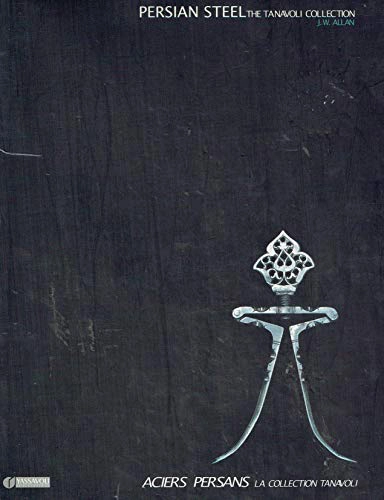
Persian Steel: The Tanvoli Collection English 2000
Aciers Persans: La Collection Tanavoli
74.55 $

Used
Condition :
Share
Wishlist
Original Title:
Persian Steel: The Tanvoli Collection
ISBN:
9789643062583
Publisher:
Yassavoli Publications
Age Group:
Adult
Pages:
140
Weight:
1153 g
Dimensions:
19 x 24 x 5 cm
Book Cover:
Hard Cover
The Iranians were among the earliest peoples to work with iron, and steel itself plays an important part in the mythology of that country. It was also favoured by Islam, and steel appeared in the fittings of mosques and shrines as well as in item of personal religious use, such as amulet boxes. Nevertheless, the rarity of surviving early steel and the lack of depictions of it in Islamic art have contributed to its neglect relative to bronze and brass artefacts, which have found more favour with collectors and historians alike. This multidimensional study attempts to redress this imbalance. Taking as its starting-point the Tanavoli Collection of iron and steel objects, supplemented in important areas by items from the Ashmolean Museum, it combines wide-ranging historical coverage of the Iranian iron- and steel-making industries, from mining to trade, with a scientific account of the technologies involved. Medieval Arabic texts on metal-working have been examined in the light of modern understanding of the manufacturing processes, and more than 70 items from the collection subjected to metallurgical analysis. The discussion of arms and armour - the one group of steel objects to have received much attention - aims to unify military and art-historical aspects. The authors have also attempted to clarify the English nomenclature of metal-working. All catalogued items are illustrated and grouped by function, and the development of each type is described. An account of the work of some contemporary craftsmen carries this study of steel-making in Iran into the present century.
more
ایرانیان از نخستین مردمانی بودند که با آهن کار کردند و فولاد نیز جایگاهی مهم در اسطورهشناسی این سرزمین دارد. افزون بر این، اسلام نیز استفاده از فولاد را تشویق میکرد و این فلز نهتنها در اجزای معماری مساجد و زیارتگاهها، بلکه در اشیای مذهبی شخصی مانند جعبههای تعویذ به کار میرفت. با این حال، کمیابی نمونههای باقیمانده از فولادهای کهن و نیز فقدان بازنمایی آنها در هنر اسلامی سبب شده است که فولاد، در مقایسه با آثار برنزی و برنجی که نزد مجموعهداران و تاریخنگاران محبوبتر بودهاند، کمتر مورد توجه قرار گیرد.
این پژوهش چندبعدی میکوشد این عدمتوازن را جبران کند. کتاب با تکیه بر مجموعهٔ آثار آهنی و فولادی تناولی و با تکمیل آن در بخشهای مهم از طریق آثار موجود در موزهٔ اشمولین، به بررسی گستردهٔ تاریخی صنایع آهن و فولاد ایران میپردازد؛ از استخراج معدن تا تجارت، و در کنار آن شرحی علمی از فناوریهای بهکاررفته ارایه میدهد. متون عربی قرون وسطایی دربارهٔ فلزکاری در پرتو دانش امروزی از فرایندهای تولید بازخوانی شدهاند و بیش از 70 اثر از این مجموعه تحت تحلیلهای متالورژیک قرار گرفتهاند.
بخش مربوط به سلاحها و زرهها—که تنها گروه از اشیای فولادی است که تاکنون توجه فراوانی به آن شده—میکوشد جنبههای نظامی و هنر-تاریخی را در چارچوبی واحد گرد آورد. نویسندگان همچنین تلاش کردهاند نامگذاری انگلیسی اصطلاحات فلزکاری را روشن و سامانمند کنند. همهٔ آثار فهرستشده مصور شدهاند و بر اساس کارکرد گروهبندی شدهاند و روند تحول هر نوع به تفصیل شرح داده میشود. در پایان، گزارشی از کار برخی صنعتگران معاصر، این بررسی از فولادسازی در ایران را تا سدهٔ حاضر ادامه میدهد.
more