

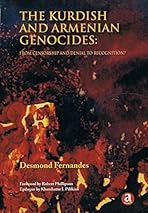
The Kurdish and Armenian Genocides: From Censorship and Denial to Recognition English 2025
Currently not available

Share
Wishlist
Share
Wishlist
Original Title:
The Kurdish and Armenian Genocides: From Censorship and Denial to Recognition
ISBN:
9789189675971
Publisher:
APEC- Tryck och Forlag
Age Group:
Adult
Pages:
313
Weight:
626 g
Dimensions:
14 x 21 x 1.5 cm
Book Cover:
Hard Cover
The Kurdish and Armenian Genocides: From Censorship and Denial to Recognition, written by Desmond Fernandes, is a scholarly and analytical work that examines the processes of censorship and denial, followed by efforts toward acknowledgment and recognition of the Armenian and Kurdish genocides. Drawing on historical documentation, human rights research, and political analysis, the author demonstrates how official narratives and geopolitical interests have, for decades, obstructed the acceptance of these crimes.
With a critical approach, the book explores the links between politics, historiography, and international law, while emphasizing the importance of historical memory, transitional justice, and the responsibility of the international community. This work is an important and reliable resource for scholars of genocide studies, Middle Eastern history, human rights, and international politics.
“Turkey’s repression of the Kurds has been widely documented—and is acknowledged as a major obstacle to Turkey’s accession to the European Union. But what lies behind such repression? Fernandes confronts the issue head on, forcing the reader to probe a question that many in Turkey and elsewhere would rather avoid: does the systematic repression of the Kurds amount to genocide? Open discussion of this issue is critical if a long-term resolution of the Kurdish issue is to be achieved.”
— Nicholas Hildyard, Policy Analyst
more
The Kurdish and Armenian Genocides: From Censorship and Denial to Recognition نوشتهٔ Desmond Fernandes اثری پژوهشی و تحلیلی است که به بررسی روند سانسور، انکار و سپس تلاش برای شناسایی و بهرسمیتشناختن نسلکشیهای ارمنی و کرد میپردازد. نویسنده با تکیه بر اسناد تاریخی، مطالعات حقوق بشری و تحلیلهای سیاسی، نشان میدهد چگونه روایتهای رسمی و منافع ژیوپولیتیک، دههها مانع از پذیرش این جنایات شدهاند. کتاب با رویکردی انتقادی، پیوند میان سیاست، تاریخنگاری و حقوق بینالملل را واکاوی میکند و بر اهمیت حافظهٔ تاریخی، عدالت انتقالی و مسیولیت جامعهٔ جهانی تأکید دارد. این اثر برای پژوهشگران مطالعات نسلکشی، تاریخ خاورمیانه، حقوق بشر و سیاست بینالملل منبعی مهم و قابل اتکاست. «سرکوب کردها در ترکیه بهطور گسترده مستند شده است—و بهعنوان یکی از موانع اصلی پیوستن ترکیه به اتحادیهٔ اروپا شناخته میشود. اما ریشههای این سرکوب چیست؟ فرناندز بیپرده با این مسیله روبهرو میشود و خواننده را وامیدارد تا پرسشی را بررسی کند که بسیاری در ترکیه و دیگر کشورها ترجیح میدهند از آن بپرهیزند: آیا سرکوب نظاممند کردها به معنای نسلکشی است؟ گفتوگوی آشکار دربارهٔ این موضوع برای دستیابی به راهحلی پایدار و بلندمدت برای مسیلهٔ کردها حیاتی است.» — نیکلاس هیلدیارد، تحلیلگر سیاست
more