

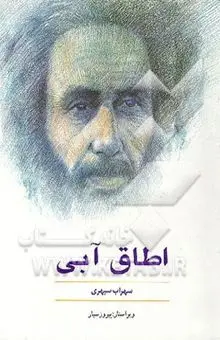
oṭāq-e ābī Persian 2025
اطاق آبی
15.17 $

Used
Condition :
Share
Wishlist
Original Title:
اطاق آبی
ISBN:
9644352629
Editor:
Pīrūz Sayyār
Publisher:
Surush
Age Group:
Adult
Pages:
76
Weight:
160 g
Dimensions:
21 x 30 x 0.5 cm
Book Cover:
Paperback
The Blue Room (Otagh-e Abi) is a prose work written by Sohrab Sepehri in the final years of his life and published posthumously. It is best described as an unfinished autobiographical text that recounts three periods of the poet’s life: childhood, youth, and middle age. Sepehri was also a painter, and the book’s title, along with its images and notes, reveals to the reader his world of forms and colors.
The book opens with the mysterious story of a blue-colored room in the house of Sepehri’s childhood. In The Blue Room, the poetic quality of his inner world—infused with his distinctive philosophical reflection—appears this time through memories of childhood. He writes:
“The blue room was not far from the intimacy of earthly truth; we lived in this room. One day my mother entered the blue room. She saw a coiled snake on the wall niche and was frightened—terribly so. That same day we moved out of the blue room, to a room on the north side of the house, a white five-windowed room. We stayed there to the end, and the blue room remained empty forever.”
Through Sepehri’s knowledge and imagination, the story of this snake becomes connected to Indian and Greek myths and legends.
In the next part of the book, we encounter Sepehri as an adolescent trapped in the dull and exhausting framework of the educational system and school life. Just as in his poetry, where he constantly longs for untouched nature, here too he feels homesick for it and grows weary of a nature that one is forced to learn only through the details of geography textbooks.
In the final section, while recounting a memory of meeting a foreign artist, Sepehri reflects on and compares art in the East and the West, thereby also revisiting part of the history of Iranian art.
more
اطاق آبی متنی منثور است که سهراب سپهری آن را در آخرین سالهای زندگی خود نوشت و پس از مرگش منتشر شد؛ بهتر است بگوییم این کتاب نوعی خود زندگینامهی ناتمام است که سه دورهی زندگی این شاعر شعر نو را را روایت میکند: کودکی، جوانی و میانسالی. سپهری نقاش هم بود و نام کتاب و همچنین تصاویر و یادداشتهایش، دنیای نقشها و رنگهای او را نیز به خواننده نشان میدهد. کتاب با قصهی رازآلود اتاقی آبی رنگ در خانهی کودکیهای سهراب سپهری آغاز میشود. در متن «اطاق آبی» شاعرانگی دنیای او را -که همراه با فلسفهورزی خاص خودش بود- اینبار در خاطرات کودکیاش میبینیم: «اطاق آبی از صمیمیت حقیقت خاک دور نبود، ما در این اطاق زندگی میکردیم. یک روز مادرم وارد اطاق آبی میشود. مار چنبر زدهای در طاقچه میبیند، میترسد، آن هم چقدر. همان روز از اطاق آبی کوچ میکنیم، به اطاقی میرویم در شمال خانه، اطاق پنجدری سفید، تا پایان در این اتاق میمانیم، و اطاق آبی تا پایان خالی میافتد.» قصهی این مار با دانش و خلاقیت سپهری به افسانهها و اساطیر هند و یونان پیوند میخورد. در بخش بعدی کتاب، سپهری نوجوانی را میبینیم که در چارچوب کسل و خستهکنندهی نظام درس و مدرسه گرفتار آمده و همانطور که در شعرهایش همواره طبیعت بکر را طلب میکند در اینجا هم دلتنگ آن است و از طبیعتی که هرکس مجبور است در کتاب جغرافیا جزییاتاش را بیاموزد، دلگیر میشود. در بخش پایانی کتاب ضمن شرح خاطرهی دیدار با هنرمندی خارجی، سپهری به مقایسه و بررسی هنر در شرق و غرب عالم میپردازد و از این طریق قسمتی از تاریخ هنر ایران را نیز مرور میکند.
more