

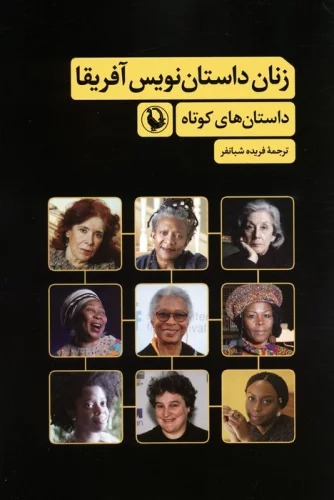
Zanān-i Dāstān'nivīs-i Āfrīqā (Dāstān'hā-yi Kūtāh): Persian 2024
زنان داستان نویس آفریقا (داستان های کوتاه)
17.82 $

Share
Wishlist
ISBN:
9786223240690
Translator:
Farīdah Shabānfar
Publisher:
Murvarid
Age Group:
Adult
Pages:
420
Weight:
375 g
Dimensions:
14 x 21 x 3.8 cm
Book Cover:
Paperback
In general, African literature has an exceptional character, because it not only represents the countless diversity of peoples, cultures, rituals and traditions in this continent, but also carries the heavy burden of painful wounds that decades of superiority and colonial rule have imposed on Africans. African fiction can be historically divided into three parts: pre-colonial literature, colonial literature and post-colonial literature. In the meantime, in the past, some African societies were considered matriarchal societies and women were respected and had a prominent position in them, and even in some areas there was no difference between women and men. But with the introduction of western education, culture and religion, this position was disturbed and women were placed in a lower position.
In the 1950s-1960s, a very limited number of women storytellers appeared in the literary scene of African countries, who, like male storytellers, often took their subjects and themes from the social struggle of the time. However, at the end of the 20th century, African women were finally able to break the silence and make their voices heard. They spoke about the suffering of being a woman in slavery and family violence, and wrote about the poverty and oppression that was inflicted on women by men, and about the injustice and violated rights. In this book, thirty very readable stories of women writers from different African countries have been collected and translated and made available to Iranians and Persian speakers.
more
بهطور کلی، ادبیات آفریقا از خصوصیتی استثنایی برخوردار است، زیرا نهتنها نمایانگر تنوع بیشمار اقوام، فرهنگها، آیینها و سنتهای موجود در این قاره است بلکه بار سنگین زخمهای دردناکی را حمل میکند که دههها برتری و حاکمیت استعمار بر آفریقاییها تحمیل کرده است. ادبیات داستانی آفریقا را میتوان از نظر تاریخی به سه بخش تقسیم کرد: ادبیات پیش از استعمار، ادبیات دوران استعمار و ادبیات دوران پسااستعمار. در این میان، در روزگار گذشته، برخی جوامع آفریقایی جوامعی مادرسالار بهشمار میرفت و زنان در آن، محترم و دارای مقامی برجسته بودند، و حتی در برخی مناطق اختلافی میان زنان و مردان وجود نداشت. اما با ورود آموزش، فرهنگ و مذهب غربی، این موقعیت به هم خورد و زنان در موقعیتی پایینتر قرار گرفتند.
در دهههای ۱۹۶۰-۱۹۵۰ شمار بسیار محدودی از زنان داستاننویس در صحنۀ ادبی کشورهای آفریقایی پدیدار شدند که مانند داستاننویسان مرد، اغلب موضوعها و مضمونهای خود را از فضای مبارزۀ اجتماعی زمان برمیگرفتند. با اینهمه، در پایان قرن بیستم، سرانجام زنان آفریقا توانستند سکوت را بشکنند و صدای خود را به دیگران برسانند. آنها از رنج زن بودن در بردگی و خشونت خانوادگی سخن گفتند و از فقر و ستمی که از سوی مردان بر زنان میرفت و از بیعدالتی و حقوق پایمالشدۀ خود نوشتند. در کتاب حاضر، سی داستان بسیار خواندنی از زنان نویسندۀ کشورهای مختلف آفریقا گردآوری و ترجمه شده و در دسترس ایرانیان و فارسیزبانان قرار گرفته است.
more