
Yevgeny Zamyatin
یوگنی زامیاتین
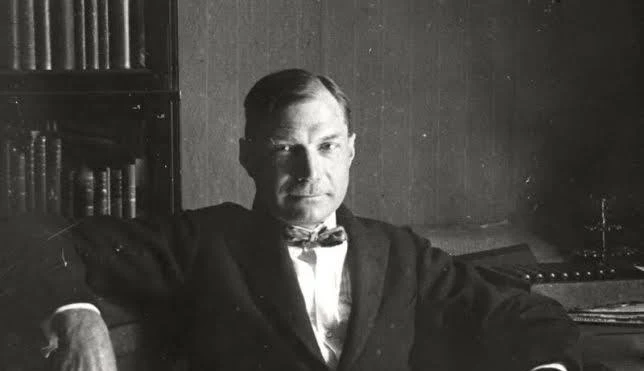
Yevgeny Ivanovich Zamyatin was a Russian writer of science fiction, political satire, and literary criticism.
He was born in February 1884 in the town of Lebedyan, about 300 kilometers south of Moscow, during the era of the Russian Empire. Although his father was a priest of the Orthodox Church, Zamyatin abandoned Christianity at a young age and joined the Russian Social Democratic Labour Party.
As a young revolutionary and student activist among the Bolsheviks, he was arrested, imprisoned, and exiled several times by the Tsarist regime. In 1905, he spent months in solitary confinement before being sent into provincial exile. Disguised, he managed to escape and return secretly to St. Petersburg, where he completed his engineering degree — and it was during this period that he began to write.
In 1911, the police caught him again and exiled him to another part of Russia, where he spent his time composing satirical works. Later, he was sent to England to supervise the construction of Russian icebreaker ships. Amid the dramatic events of 1917, Zamyatin returned immediately to Russia, where Maxim Gorky — himself a famous former rebel — helped him find a literary position.
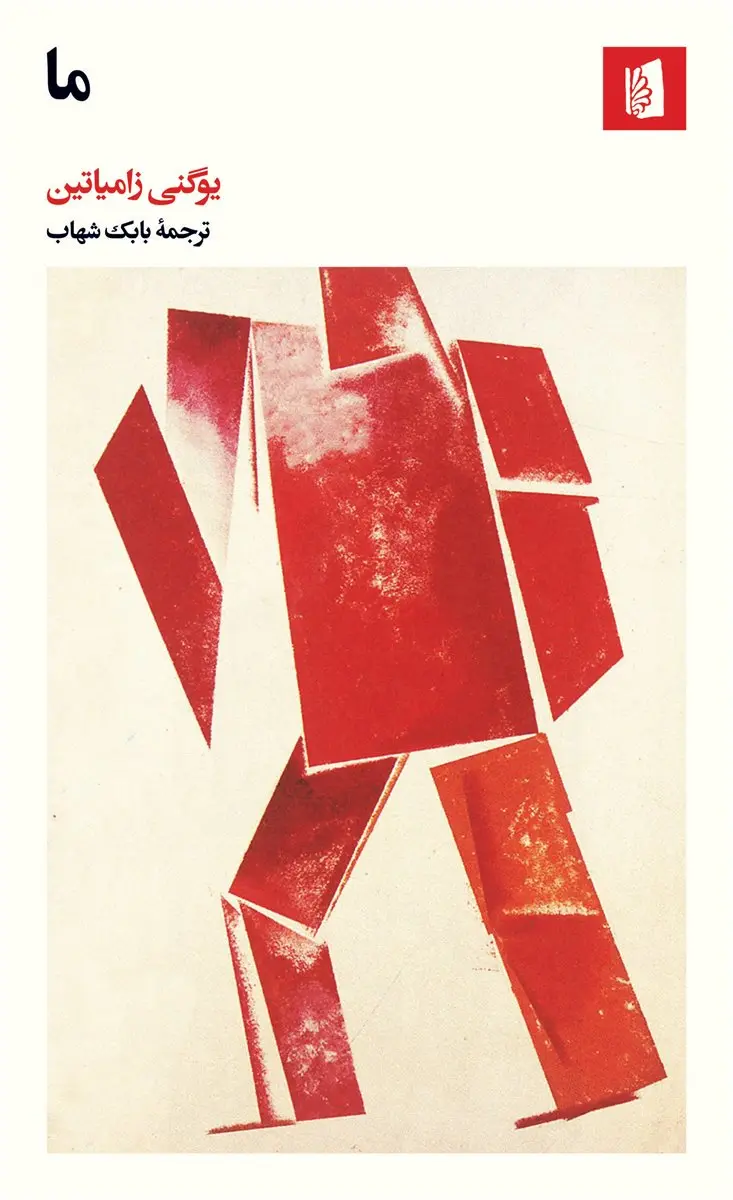
This period marked the height of Zamyatin’s creative life. It was then that he wrote his most famous novel, We, considered the first dystopian science fiction novel ever written — a bold critique of the totalitarian Soviet police state.
After completing We in late 1920, Zamyatin showed the manuscript to a few friends, but Soviet authorities refused to grant publication permission. In 1921, We became the first book officially banned by the Soviet censorship council. He was eventually forced to smuggle the manuscript abroad for publication.
When the novel was published in the West, it caused a major scandal, as expected. The result was Zamyatin’s expulsion from the Soviet Writers’ Union. In 1931, Joseph Stalin personally granted him permission to emigrate to Paris with his wife.
Zamyatin lived in exile hoping that one day he might be allowed to write again and return to his homeland. But he died in poverty and obscurity in March 1937 of a heart attack. The Soviet press did not even announce his death.
یوگنی ایوانویچ زامیاتین نویسنده آثار علمیتخیلی و طنزنویس سیاسی و منقد ادبی روس بود. او در فوریه 1884 در شهر لبدیان، در سیصد کیلومتری جنوب مسکو، و در دوران حکمرانی امپراتوری روسیه به دنیا آمد. با وجود اینکه پدرش کشیش کلیسای ارتدکس بود در سن جوانی از مسیحیت دست کشید و به حزب سوسیال دموکرات کارگری روسیه پیوست. در جوانی و زمانی که دانشجوی مبارز بلشویک بود بارها توسط حکومت تزاری دستگیر، زندانی و تبعید شد. در سال 1905 ماهها در سلول انفرادی ماند و بعد به شهرستان تبعید شد. زامیاتین توانست با لباس مبدل مخفیانه خودش را به پتربورگ برساند، و در آنجا مدرک مهندسیاش را گرفت. در همین دوران بود که شروع به نوشتن کرد. در 1911 پلیس دوباره مچ زامیاتین را گرفت. این بار او را به جایی در خود روسیه تبعید کردند و او در آنجا وقتش را به تصنیف هجویات گذراند. بعد او را به انگلستان فرستادند تا بر ساخت کشتیهای یخشکن روسی نظارت کند. در میان تحولات عظیم سال 1917 بیدرنگ به روسیه برگشت و ماکسیم گورکی برای او، آن آشوبگر مشهور سابق، شغلی ادبی دستوپا کرد. این دوره نقطه اوج زندگی و کار زامیاتین بود. در همین دوران بود که زامیاتین رمان معروف خود با نام «ما» را نوشت. نخستین رمان علیتخیلی در ژانر پادآرمانشهری که حکومت پلیسی شوروی را مورد هدف قرار داده بود. بعد از تمامکردن ما در اواخر سال 1920، نسخه دستنوشت را به چند دوست نشان داد اما اجازه انتشار به او ندادند. در 1921، اثر او، اولین کتابی شد که توسط شورای سانسور شوروی، ممنوع اعلام شد. در نهایت مجبور شد کتابش را برای انتشار به غرب بفرستد. با انتشار رمان خارج از مرزهای روسیه هیاهویی به پا شد که دور از انتظار نبود. نتیجه این عمل، طرد او از کانون نویسندگان شوروی بود. در 1931 استالین اجازه داد زامیاتین و همسرش به پاریس مهاجرت کنند. زامیاتین همواره امید داشت روزی رژیم به او اجازه نوشتن دهد و دوباره به آنجا بازگردد. او در نهایت در سکوت و فقر تباه شد و در مارس 1937 بر اثر سکته قلبی از دنیا رفت. مطبوعات شوروی حتی مرگ او را اعلام نکردند.