

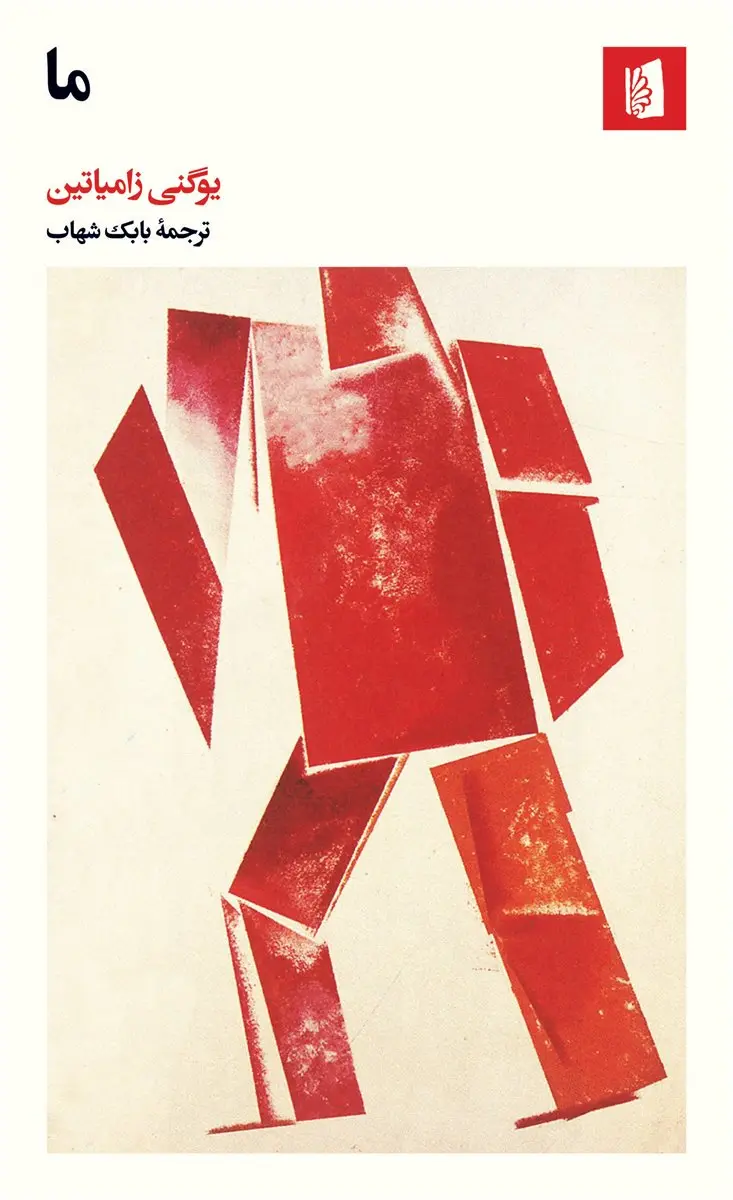
ما: ما فارسی 1404
Mā
23٫34 $

اشتراکگذاری
Wishlist
شابک:
9786226863483
مترجم:
Bābak Shahāb
ناشر:
Bidgul
گروه سنی:
بزرگسال
صفحات:
419
وزن:
300 g
ابعاد:
10 x 19 x 2٫5 cm
جلد کتاب:
شومیز
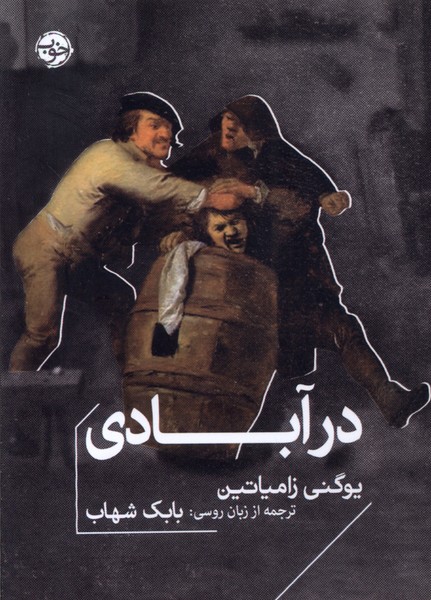
Yevgeny Zamyatin wrote his novel We inspired by Dostoevsky’s Notes from Underground, expanding Dostoevsky’s dense and original ideas to construct his own dystopian world.
We takes place a thousand years after a great revolution that brought to power the One State—an era in which humankind has finally subdued the Earth, driven back every natural element, and enclosed itself behind protective walls to keep out the wilderness it now sees as alien and hostile. Nature, untamed and uncontrollable, remains beyond the Wall, while humanity lives within it.
In the world of We, human beings are no longer made of flesh and blood but have become numbers—geometric shapes rather than individuals. They live in glass houses, where uniformity, order, and harmony are held as the highest virtues.
The story’s protagonist, D-503, is the chief engineer and builder of the Integral, a spacecraft that the One State plans to launch into space to bring its “superior civilization” to other worlds—spreading happiness through rational order. In preparation for this mission, D-503 decides to record his thoughts in a series of diary entries. He praises the mathematical precision and mechanical rhythm of their society: the steady turning of gears, the synchronized movements of workers, and the rational beauty of a perfectly ordered life. In this utopia, everything and everyone serves a clear, logical purpose.
But an accidental encounter with a mysterious woman shatters D-503’s carefully structured world. She speaks to him about something long forgotten—the soul, a strange and dangerous condition that allows humans to imagine and dream. The awakening of this forbidden “illness” turns his world upside down, revealing cracks in the seemingly perfect order of the One State.
It is widely known that George Orwell drew inspiration from We when writing his own classic dystopian novel, 1984, refining many of Zamyatin’s ideas in his own style. Since its publication, We has profoundly influenced writers and thinkers across generations, and its extraordinary imaginative power has secured its place as a timeless masterpiece of Russian literature.
more
یوگنی زامیاتین رمان «ما» را با الهام از «یادداشتهای زیرزمینی» داستایوفسکی نوشت و در آن، ایدههای انبوه و بدیع داستایوفسکی را هرچه بیشتر بسط داد تا جهان پادآرمانشهری خودش را بسازد. «ما» در روزگار هزارسال بعد از انقلابی رخ میدهد که «دولت یگانه» را به روی قدرت آورد؛ روزگاری که بشر، عاقبت توانسته بر زمین چیره شود و آن را تحت سلطهی خود دربیاورد و هر عنصر زمینی و طبیعی را پس رانده و دور خود را حصار کشیده است تا از بیرون، از طبیعت (که آن را «دیگری» و بیگانه میداند)، گزندی به او نرسد. طبیعت وحشی و بیعنان در پس دیوار مانده است و برای خود رشد و نمو میکند و انسان، در داخل دیوار زندگی میکند. در دنیای «ما» انسانها دیگر از گوشت و خون نیستند، بلکه صرفا یکسری اعداد ریاضیوار هستند و اشکالی هندسی دارند. در خانههایی شیشهای زندگی میکنند و یکنواختی، نظم و هارمونی را ارج مینهند.
قهرمان داستان شخصی بهنام D-503 است که معمار ارشد سفینهی انتگرال است. سفینهای که «دولت یکتا» قصد دارد بهمنظور شناسایی دیگر گونههای زندگی در هستی به فضا پرتاب کند تا تمدن و فرهنگ برتر خود را به آنان برساند و آنها را در زیر سایهی خود شادمان کند.
D-503 چند مدت مانده به پرتاب انتگرال برای یافتن و سودرسانی به جوامع کمتر پیشرفته، تصمیم میگیرد افکار خود را در یاددشتهای روزانهاش ثبت کند. او از نظم و سرسپردگی ریاضیوار همهی عناصر در جامعهشان سخن میگوید و ادامه میدهد که چرخش یکنواخت چرخدندهها، رفتوآمد منظم کارمندان انتگرال و زندگی روزمرهی آدمیان، همه و همه زیبا است، چون از حکم عقل پیروی میکند. در آرمانشهرشان هر عنصر کارکردی ضروری و بهجا دارد.
ملاقات اتفاقی D-503 با زنی زیبا و مرموز اتفاقاتی ناشناخته و غریب را برایش رقم میزند و او بهناگاه دنیای خود را وارونه و ویران میبیند. زن با او از چیزی غریب و ناشناخته به نام «روح» صحبت میکند که انسان را قادر به خیالورزی میسازد. بیماریای که مدتها پیش ریشهکن شده است.
معروف است که جورج اورول ایدهی رمان معروف خود 1984 از رمان «ما» وام گرفته و آن را به شیوهی خود قوام بخشیده است. «ما» از زمان انتشار، نویسندهها و متفکران بسیاری را تحت تاثیر قرار داده است و قدرت خیالپردازانهی بیبدیلش آن را به اثری مانا در عرصهی ادبیات روسیه تبدیل کرده است.
more