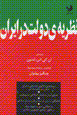


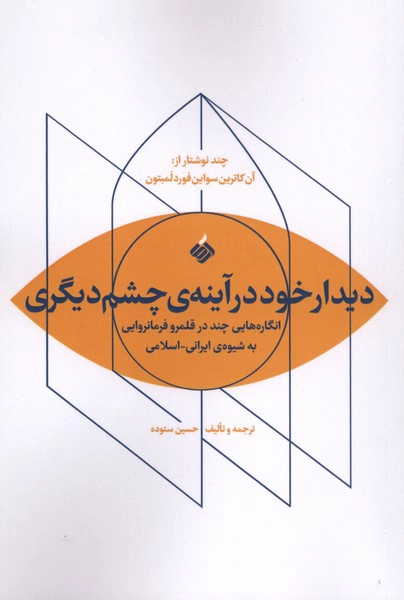
Dīdār-e khod dar āyeneh-ye chashm-e dīgarī Persian 2025
دیدار خود در آینه چشم دیگری
16.16 $

Share
Wishlist
Original Title:
Quis custodiet custodes? Some Reflections on the Persian Theory of Government (Conclusion)
ISBN:
9786227863352
Translator:
Ḥosayn Sotūdeh
Publisher:
Arma
Age Group:
Adult
Pages:
218
Weight:
130 g
Dimensions:
14 x 21 x 0.5 cm
Book Cover:
Paperback
The book consists of six essays by the author, unified by a common theme and focused on examining Iranian political thought in the premodern period, particularly the Middle Ages. These essays had not previously been translated into Persian.
In them, the author traces the evolution of concepts of rulership and explores notions such as justice and injustice, the regulation of violence, coercive power, and related ideas within the history of Iran and the broader Islamic world. Three major paradigms—the caliphate, kingship, and the imamate—are analyzed both as historical realities and as they appear in the writings of historians and jurists, with particular attention to the relationship between religious wisdom and political power based on coercion.
From the author’s perspective, the emergence of the institution of monarchy in the Islamic world resulted from the gradual weakening and eventual collapse of the authority of the caliphate, alongside the fragmentation of the Islamic empire that had once existed under the banner of the caliphate.
more
کتاب در برگیرنده ی شش مقاله از نویسنده با درون مایه هایی همگون و در موضوع بررسی اندیشه ی سیاسی ایرانیان در دوره ی پیشامدرن به ویژه قرون میانی است که پیشتر به زبان فارسی ترجمه نشده بودند در این مقالات به جست و جوی ردپای انگاره ی فرمانروایی و مفاهیمی هم چون دادورزی و بیدادگری نظارت خشونت و... در تاریخ ایران و جهان اسلام پرداخته شده و سه انگاره ی خلافت پادشاهی و امامت چه در واقعیت و چه در نوشته های تاریخ نگاران و فقیهان با توجه به رابطه ی حکمت دینی با مسیله ی قدرت اجبار مورد تجزیه و تحلیل قرار گرفته اند. از نظر نویسنده پدیدار شدن نهاد سلطنت در جهان اسلام به سبب کاهش قدرت و در ادامه فروپاشی جایگاه خلافت و چند پاره شدن امپراتوری اسلامی زیر پرچم خلافت بوده است.
more