

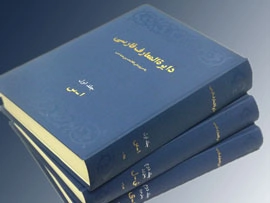
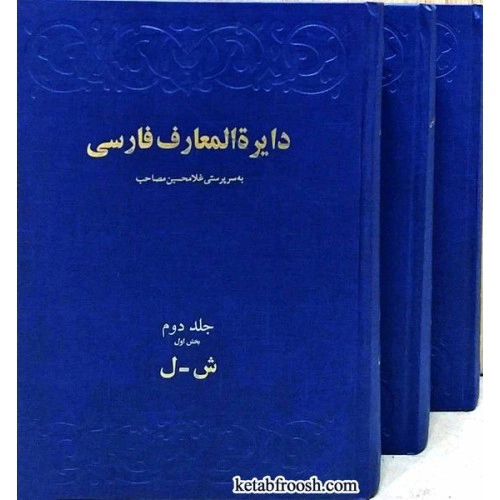
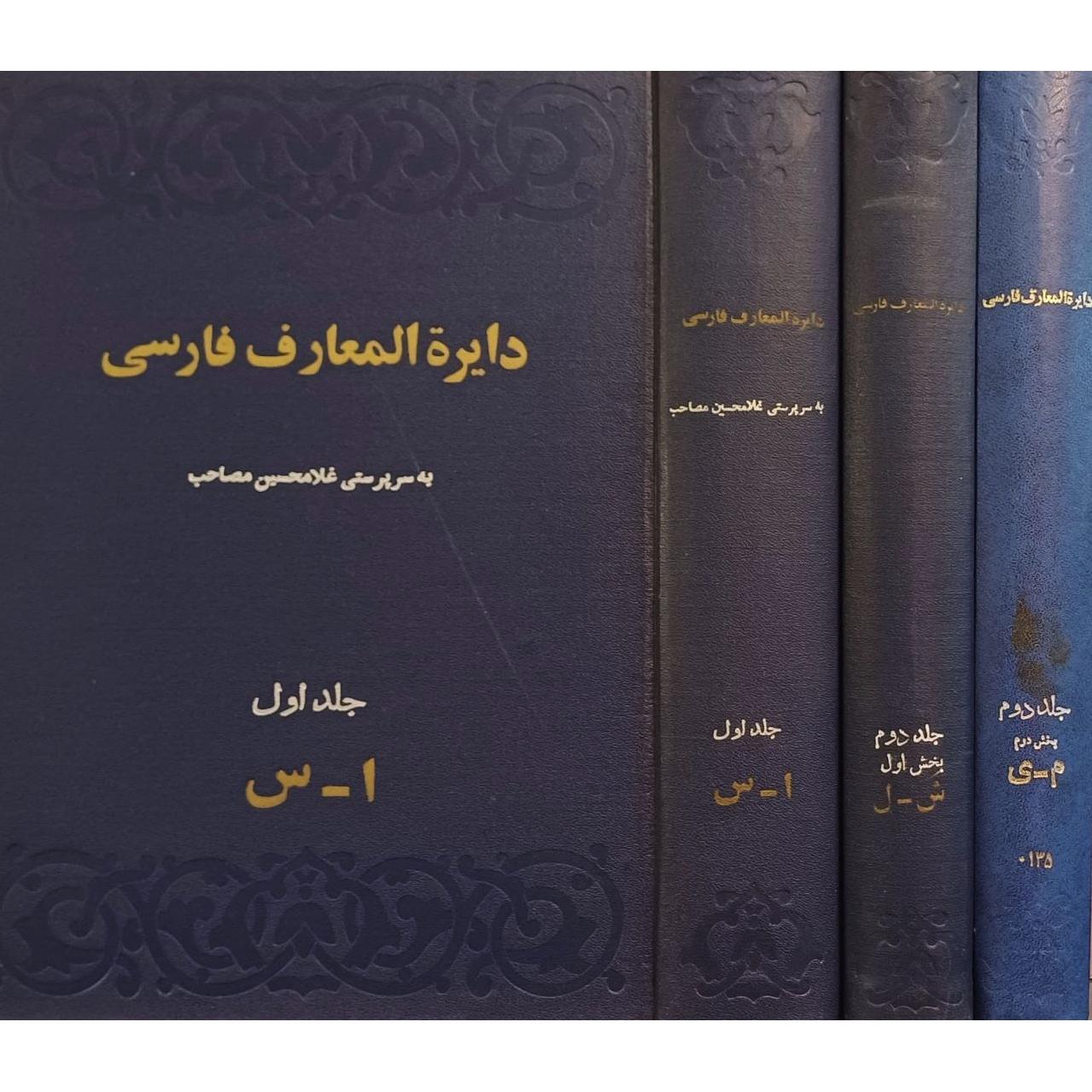
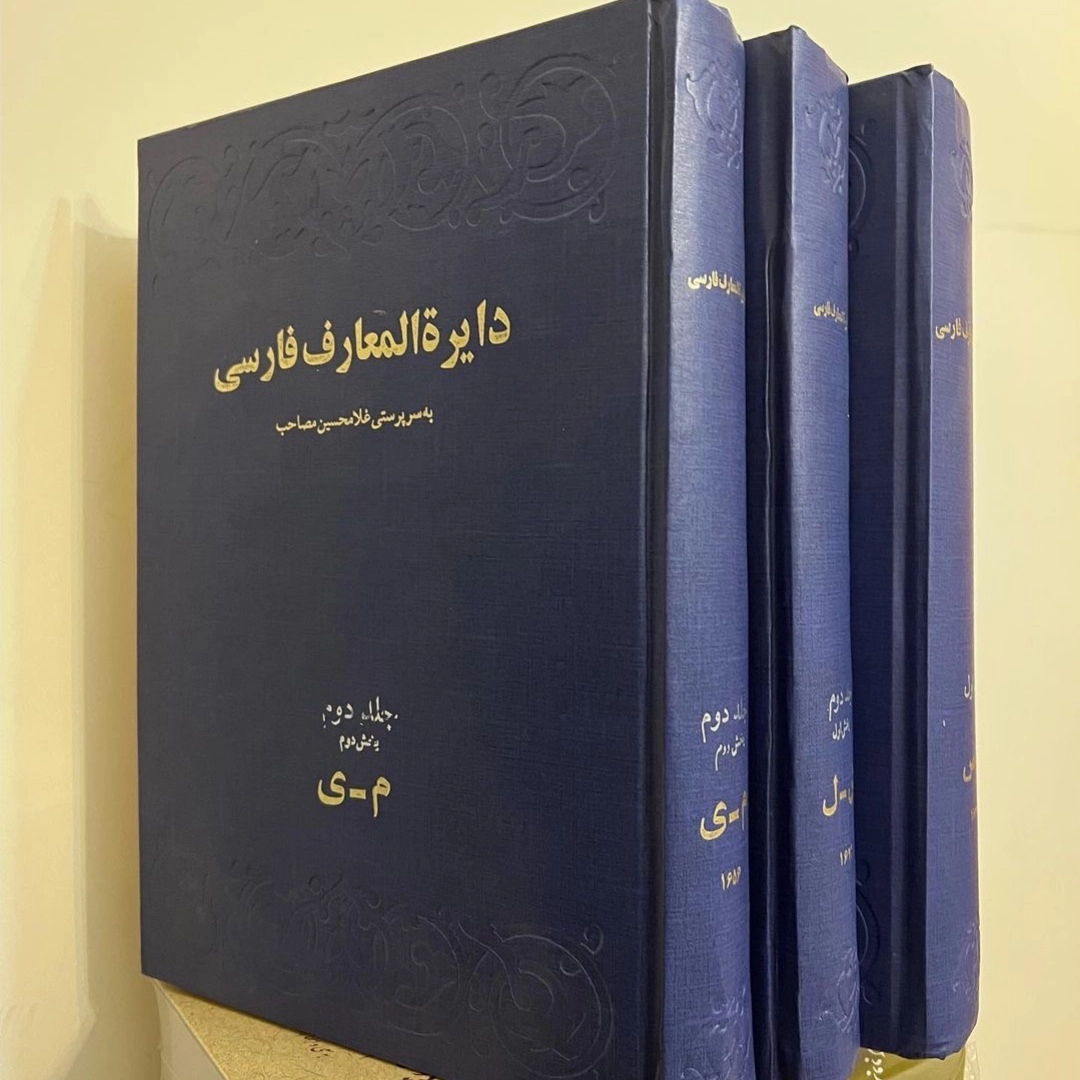
Dāyerat al-Ma‘āref-e Fārsī: se-jeldī Persian 2025
دایرهالمعارف فارسی: سه جلدی
108.00 $

Share
Wishlist
Original Title:
دایرهالمعارف فارسی
ISBN:
964303044x
SeriesIsbn:
964303044x
Editor:
Gholām-Ḥosayn Moṣāḥeb
Publisher:
Muassisah'i intisharat-i Amirkabir
Age Group:
Adult
Pages:
3600
Weight:
7381 g
Dimensions:
21 x 29 x 22 cm
Book Cover:
Hard Cover
The Persian Encyclopedia, commonly known as the Mosaheb Encyclopedia, is the first modern Persian-language encyclopedia. It was initiated by the Franklin Publishing Corporation and prepared under the supervision of Gholamhossein Mosaheb. This three-volume work, created through the extensive collaboration of Iranian authors, translators, and editors, is regarded as one of the most significant achievements in Persian reference publishing.
Initially, the Franklin Corporation intended to produce a Persian translation of the one-volume Columbia–Viking Encyclopedia, but after reviewing it, Mosaheb concluded that a simple translation would not meet the needs of the Iranian readership. He proposed a new plan that added more than 10,000 original entries on various aspects of Iranian and Islamic history and culture; some entries from the Encyclopaedia of Islam were also translated and included. The first volume was published in 1966. After Mosaheb stepped down, Reza Aghsa took over as editor-in-chief, and the second volume appeared in two parts in 1977 and 1995.
From the outset, the encyclopedia was compiled according to strict scholarly principles: the selection and length of entries, terminology, transliteration of names, abbreviations, cross-references, and orthography were all established within a coherent, uniform system. This methodological rigor set a new standard for Persian reference works.
The Persian Encyclopedia contains 43,000 entries, including 23,000 translated or adapted entries, 11,000 original entries on Iran and Islam, and numerous cross-references.
The principal editors of the project were Gholamhossein Mosaheb, followed by Reza Aghsa. Distinguished scholars and contributors—including Ahmad Aram, Fereydoun Badraei, Mostafa Mogharebi, Iraj Afshar, Daryoush Ashouri, Abbas Zaryab Khoei, Abdolhossein Zarrinkoub, Mohammad Moein, Ehsan Yarshater, and many others—played key roles in the creation of this landmark work.
more
دایرهالمعارف فارسی، مشهور به دایرهالمعارف مصاحب، نخستین دانشنامهٔ مدرن فارسی است که به ابتکار موسسهٔ انتشارات فرانکلین و با سرپرستی غلامحسین مصاحب تهیه شد. این اثر سهجلدی، نتیجهٔ همکاری گستردهٔ نویسندگان، مترجمان و ویراستاران ایرانی است و یکی از مهمترین دستاوردهای مرجعنگاری در زبان فارسی بهشمار میرود. در آغاز، فرانکلین قصد داشت ترجمهٔ فارسی دایرهالمعارف یکجلدی «کلمبیا–وایکینگ» را منتشر کند، اما مصاحب پس از بررسی آن، ترجمهٔ ساده را کافی ندانست. او طرحی نو ارایه داد و بیش از 10 هزار مدخل تألیفی تازه دربارهٔ فرهنگ و تاریخ ایران و اسلام به آن افزود؛ همچنین بخشی از مقالات «دانشنامه اسلام» ترجمه و در اثر گنجانده شد. جلد اول در سال 1345 منتشر شد. پس از کنارهگیری مصاحب، ادامهٔ کار به رضا اقصی سپرده شد و جلد دوم در دو بخش در سالهای 1356 و 1374 انتشار یافت. این دانشنامه از همان آغاز، بر اساس اصول دقیق علمی تدوین شد: روش انتخاب مدخلها، حجم مقالات، معادلگذاری اصطلاحات، شیوهٔ ضبط نامها، ارجاعات و رسمالخط، همگی براساس قواعد یکسان و منسجم تنظیم شدند. این رویکرد، الگوی تازهای برای تهیهٔ آثار مرجع فارسی ایجاد کرد. دایرهالمعارف فارسی شامل 43٬000 مدخل است؛ از این میان 23٬000 مدخل ترجمه و اقتباس، 11٬000 مدخل تألیفی دربارهٔ ایران و اسلام و باقی ارجاعی است. سرپرستان اصلی این پروژه غلامحسین مصاحب و پس از او رضا اقصی بودند. اعضای هییت تحریریه و مولفان برجستهای همچون احمد آرام، فریدون بدرهای، مصطفی مقربی، ایرج افشار، داریوش آشوری، عباس زریاب خویی، عبدالحسین زرینکوب، محمد معین، احسان یارشاطر و دهها نویسنده و مترجم دیگر در شکلگیری این اثر مهم نقش داشتند.
more