

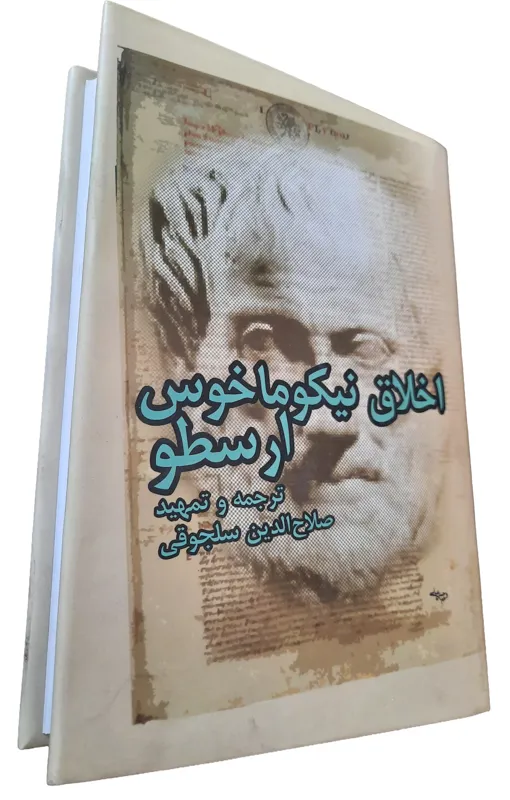
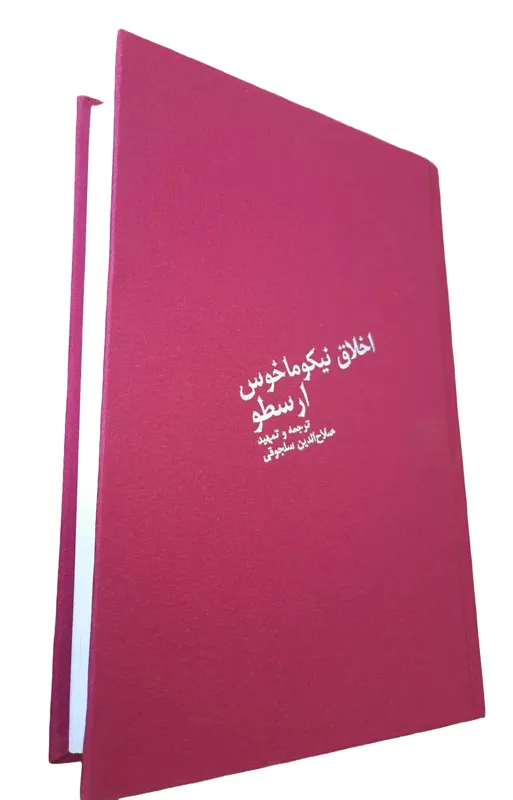
اخلاق نیکوماخوس فارسی 1385
Akhlāq-i Nikūmākhūs
50٫76 $

اشتراکگذاری
Wishlist
عنوان اصلی:
Nicomachean Ethics
شابک:
9789640407622
مترجم:
Salah Al-Din Saljuqi
ناشر:
'Irfan
گروه سنی:
بزرگسال
صفحات:
515
وزن:
800 g
ابعاد:
17 x 24 x 2 cm
جلد کتاب:
جلد سخت با روکش کاغذی
“Nicomachean Ethics” is the most famous work of Aristotle on moral philosophy and one of the foundational texts in the history of ethics. In this book, Aristotle addresses one of the most fundamental questions of human existence: How should a person live in order to achieve happiness and the best possible form of life?
For Aristotle, happiness (Eudaimonia) is the ultimate goal of human life. However, happiness does not simply mean pleasure or a temporary feeling of satisfaction; rather, it is achieved through living in accordance with virtue and fulfilling the distinctive capacities of human beings. In this work, Aristotle examines the nature of the good and virtue, the role of reason, will and choice, friendship, justice, pleasure, and the conditions of a flourishing life. One of the book’s most influential concepts is the “Golden Mean”: the idea that many moral virtues lie between two extremes of excess and deficiency. These ideas later became central foundations of the tradition of virtue ethics and continue to play an important role in contemporary discussions of moral philosophy.
The present edition was published with translation and introductory notes by Salah al-Din Saljooqi. Saljooqi was one of the prominent cultural and intellectual figures of Afghanistan and a translator of philosophical works. His translation of Nicomachean Ethics is among the Persian translations of this influential philosophical text.
This edition was published by Muhammad Ibrahim Shariati Afghanistani (Morafeq), with the second edition appearing in 2006 (1385 SH). The book consists of 515 pages, in Vaziri format, with a hardcover binding. “Nicomachean Ethics” remains a fundamental work for students and researchers of philosophy, as well as readers interested in the foundations of ethics, the concept of virtue, and Aristotle’s understanding of happiness and the good life.
more
«اخلاق نیکوماخوس» (Nicomachean Ethics) مشهورترین اثر ارسطو در زمینه فلسفه اخلاق و یکی از بنیادیترین متون اخلاق در تاریخ فلسفه است. ارسطو در این کتاب به یکی از اساسیترین پرسشهای زندگی انسان میپردازد: انسان چگونه باید زندگی کند تا به سعادت و بهترین شکل حیات دست یابد؟
در اندیشه ارسطو، سعادت (Eudaimonia) غایت نهایی زندگی انسان است؛ اما سعادت صرفاً به معنای احساس خوشی یا لذت نیست، بلکه از زیستن مطابق فضیلت و شکوفایی تواناییهای انسانی حاصل میشود. او در این اثر درباره ماهیت خیر و فضیلت، نقش عقل، اراده و انتخاب، دوستی، عدالت، لذت و زندگی سعادتمندانه بحث میکند. از مهمترین آموزههای کتاب نیز مفهوم «حد وسط» است؛ بر اساس آن، بسیاری از فضایل اخلاقی در میانه دو حالت افراط و تفریط قرار میگیرند. این اندیشهها بعدها از پایههای اصلی سنت اخلاق فضیلت شدند و همچنان در مباحث فلسفه اخلاق جایگاهی اساسی دارند.
نسخه حاضر با ترجمه و تمهید صلاحالدین سلجوقی منتشر شده است. سلجوقی از چهرههای برجسته فرهنگی و فکری افغانستان و از مترجمان متون فلسفی بود و ترجمه او از «اخلاق نیکوماخوس» از ترجمههای فارسی این اثر به شمار میرود.
این نسخه را محمدابراهیم شریعتی افغانستانی (مرفق) منتشر کرده و چاپ دوم آن مربوط به سال 1385 است. کتاب در 515 صفحه، قطع وزیری و با جلد گالینگور به چاپ رسیده است. «اخلاق نیکوماخوس» برای دانشجویان و پژوهشگران فلسفه و نیز خوانندگانی که به مبانی اخلاق، مفهوم فضیلت و دیدگاه ارسطو درباره سعادت و زندگی نیک علاقهمندند، اثری بنیادین و قابل توجه است.
more