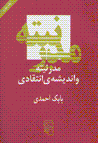



نظرم عوض شد فارسی 1404
Naẓaram ʿAvaz Shod
10٫00 $

اشتراکگذاری
Wishlist
عنوان اصلی:
Changing My Mind
شابک:
9786004906272
مترجم:
Maysam Muḥammad Amīnī
ناشر:
Farhang-i Nashr-i Naw
گروه سنی:
بزرگسال
صفحات:
76
وزن:
150 g
ابعاد:
14 x 21 x 0٫5 cm
جلد کتاب:
شومیز
The book Changing My Mind by Julian Barnes is a short collection of five essays, all connected by the central theme of “changing one’s mind” and the nature of the human mind. Barnes approaches the topic from a personal and philosophical perspective, exploring why our thoughts and beliefs sometimes change, and whether such changes signify growth or are merely the passage of time. He draws on everyday examples, personal experiences, and quotations from philosophers and artists to show that changes of mind are not always conscious; rather, they result from the interaction of memory, emotions, and new realities.
In the first essay, Barnes examines the simple phrase “I have changed my mind” from linguistic and logical perspectives. He asks: who is the subject in this sentence? Do we change our mind, or does the mind change us? This inquiry broadens into a reflection on the relationship between consciousness and time. He then turns to memory, explaining that recalling the past is always a reconstruction, not a playback. Memories distort over time and may even not truly belong to us, yet we hold them in our minds as “reality.”
Barnes also discusses politics and how beliefs evolve over time, showing how social changes and personal experiences can reshape political or moral perspectives. He addresses the role of language and literature in this process, arguing that words and books do more than reflect thought—they actively change the way we perceive and feel. In this section, he uses examples from writers he admires to illustrate the connection between language and shifts in the mind.
Barnes emphasizes that changing one’s mind is a natural part of human intellectual and emotional life, while also reminding the reader that even this belief may one day change. Instead of offering a definitive conclusion, he leaves a sense of openness and doubt—perhaps the very condition necessary for genuine thinking.
more
کتاب «نظرم عوض شد» نوشتهی جولین بارنز مجموعهای کوتاه از پنج جستار است که موضوع مشترک همهی آنها، مفهوم «تغییر نظر» و ماهیت ذهن انسان است. بارنز از زاویهای شخصی و فلسفی به این موضوع نگاه میکند و تلاش دارد بفهمد چرا گاهی افکار و باورهای ما عوض میشوند، و آیا این تغییر نشانهی رشد است یا فقط نتیجهی گذر زمان میباشد. او از مثالهای روزمره، تجربههای شخصی و نقلقولهای فیلسوفان و هنرمندان استفاده میکند تا نشان دهد که تغییر ذهن همیشه آگاهانه نیست؛ بلکه حاصل برخورد حافظه، احساسات و واقعیتهای تازه است.
در جستار اول، نویسنده جملهی سادهی «نظرم عوض شد» را باز میکند و از زاویهی زبانی و منطقی به آن نگاه میکند. او میپرسد چه کسی در این جمله فاعل است؟ آیا ما ذهنمان را تغییر میدهیم یا ذهن است که ما را تغییر میدهد؟ این بحث به تأملی گستردهتر دربارهی رابطهی آگاهی و زمان تبدیل میشود. در ادامه بارنز به سراغ حافظه میرود و توضیح میدهد که یادآوری گذشته همیشه بازسازی است، نه بازپخش. خاطرهها در طول زمان دچار تحریف میشوند و حتی ممکن است به ما تعلق نداشته باشند، اما ما آنها را به عنوان «واقعیت» در ذهن نگه میداریم.
او به موضوع سیاست و تغییر باورها در گذر زمان نیز میپردازد و نشان میدهد که چطور تغییر شرایط اجتماعی و تجربههای شخصی میتواند دیدگاه سیاسی یا اخلاقی ما را دگرگون کند. همچنین دربارهی نقش زبان و ادبیات در این روند صحبت میکند؛ اینکه کلمات و کتابها نهفقط منعکسکنندهی اندیشهاند، بلکه خودشان باعث تغییر در نگاه و احساس ما میشوند. نویسنده در این بخش از نمونههایی از نویسندگان مورد علاقهاش استفاده میکند تا این پیوند میان زبان و تغییر ذهن را ملموستر کند.
بارنز تأکید میکند که تغییر نظر بخشی طبیعی از زندگی فکری و عاطفی انسان است، اما درعینحال یادآور میشود که حتی این باور هم ممکن است روزی تغییر کند. او بهجای نتیجهگیری قطعی، نوعی گشودگی و تردید باقی میگذارد؛ همان حالتی که شاید شرط واقعی اندیشیدن باشد.
more