

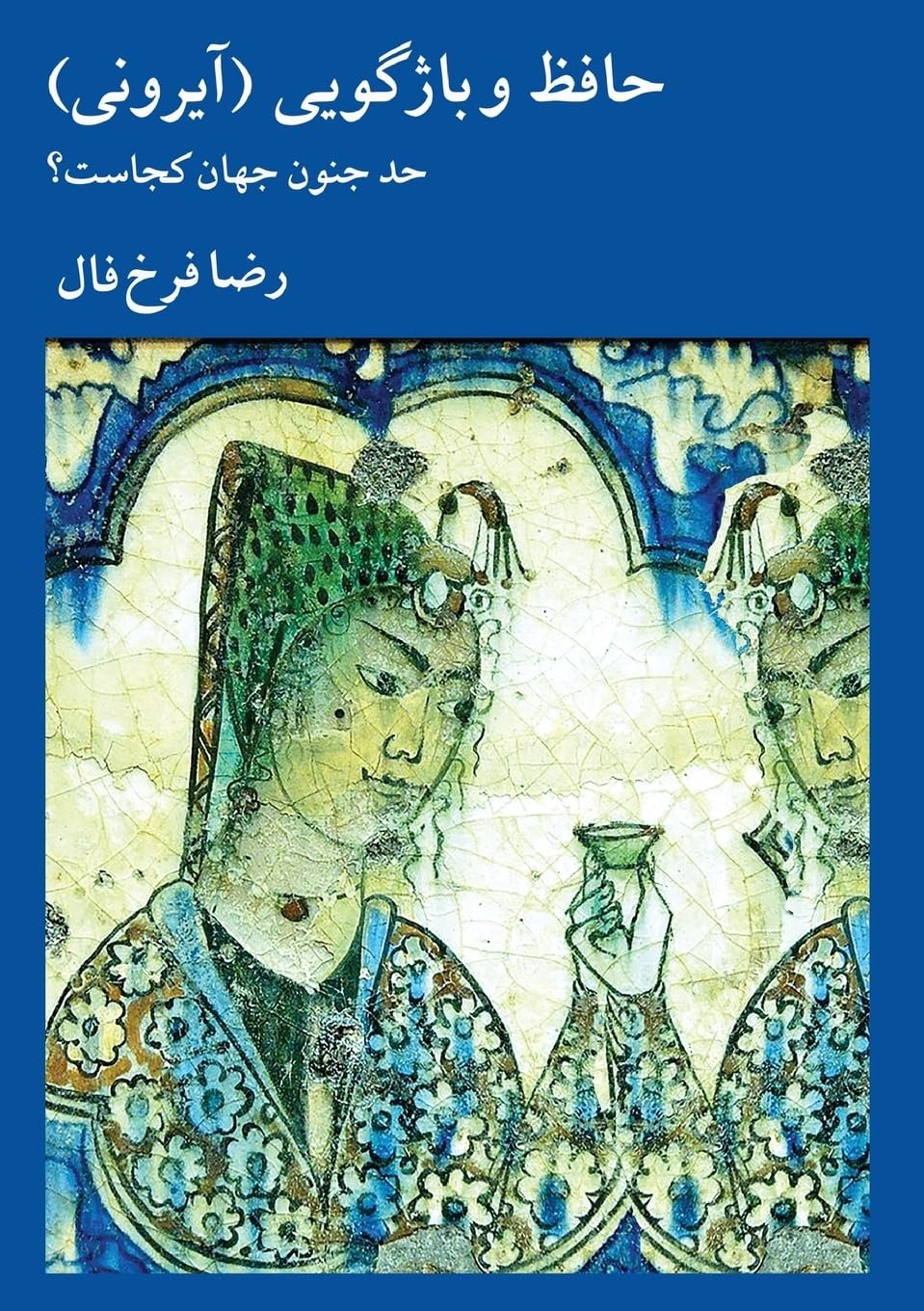
حافظ و باژگویی (آیرونی) حد جنون جهان کجاست؟ فارسی 1403
Ḥāfiẓ va Bāzhgūyī (Āyrunī): Ḥad-i Junūn-i Jahān Kujāst?
32٫00 $

اشتراکگذاری
Wishlist
عنوان اصلی:
حافظ و باژگویی (آیرونی) حد جنون جهان کجاست؟
شابک:
9781777886073
ناشر:
Asemana Books
گروه سنی:
بزرگسال
صفحات:
236
وزن:
306 g
ابعاد:
14 x 21 x 2٫2 cm
جلد کتاب:
شومیز

Diaspora
Hafez's poem is the guardian of a 'secret,' a secret that implies closed speech, yet simultaneously conveys openness. It embodies both totality and dispersion, presenting a complexity that is also inherently simple, comprehensible to anyone who reads it. Often, Hafez's poetry communicates something beyond its literal meaning, creating a contradiction in both expression and poetic attitude, which is interpreted as irony in this book. Here, irony serves not only as a rhetorical device but also as a conceptual framework for understanding Hafez's poetry, considering its literary and theoretical implications. The aim of this analysis is to explore the historical necessity that led to this rhetorical (ironic) aspect in Hafez's poetic discourse. Farokhfal is a graduate of Pahlavi University (Shiraz) and Concordia University (Montreal). He has taught Persian at McGill University (Montreal) and in the United States at Wisconsin State University in Madison and Colorado State University in Boulder. His works, including two university-level Persian language teaching course are currently taught in several prestigious American universities.
The book "Hafez and Irony: Where is the Limit of the World?" by Reza Farkh-Fal is a precise and innovative study in the analysis of Hafez's poetry, uncovering its hidden layers. Focusing on the concept of “irony” in Hafez’s work, the book demonstrates how the poet’s words, while seemingly simple, are complex and multi-layered, conveying meanings that may not directly match their surface. Farkh-Fal treats irony not merely as a rhetorical device but as a conceptual framework to analyze and understand Hafez’s poetry, helping readers explore subtle meanings, allusions, and contrasts with a scholarly and analytical approach.
Reza Farkh-Fal, a prominent writer and researcher, began his literary career in the 1960s publishing stories in Jong-e Isfahan and has since published numerous works in fiction, literary criticism, and translation. His works, including the short story collection Ah, Istanbul and Zani Arayesh-e Rozegar, are notable contributions to contemporary Iranian literature. In addition, Farkh-Fal has taught Persian at renowned international universities such as McGill University, University of Wisconsin, and University of Colorado, and authored several Persian language textbooks.
Through extensive research and detailed analysis, Hafez and Irony allows enthusiasts of classical Persian literature, scholars of Hafez, and students of Persian language and literature to gain a deeper understanding of the complex layers, linguistic games, and subtleties in Hafez’s poetry. Beyond linguistic and literary analysis, the book reconstructs the cultural and historical context of Hafez’s works, showing how his poetry interacted with the social, political, and cultural circumstances of his era.
Published by Asemana, as part of its mission to disseminate diaspora research and pioneering yet underrepresented works, this book serves as a comprehensive and practical resource for researchers and lovers of classical Persian poetry. Hafez and Irony offers readers a valuable opportunity to appreciate the artistic and philosophical depth of Hafez’s poetry and understand the hidden, intricate dimensions of his irony and poetic allusions.
more
است در عین پراکندگی؛ پیچیده است در عین سادگی، آنچنانکه همگان آن را خواندهاند و میخوانند و فهم می کنند. شعر حافظ در بیشترین لحظات چیزی را میگوید که همان نیست که میگوید. تناقضی هم در بیان و هم در نگرش شاعرانهی حافظ هست که در این کتاب به باژگویی (آیرونی) irony تعبیر شده است. در این کتاب باژگویی (آیرونی) نه فقط همچون یک آرایه سخن (صناعتی بلاغی)، بلکه با در نظر داشتن ملازمات ادبی و نظری آن همچون یک چهارچوب مفهومی در خوانش شعر حافظ به کار گرفته شده است. در این خوانش همچنین سعی شده برای این پرسش پاسخی یافت شودکه چه ضرورتهای تاریخی این وجه باژگویانه (آیرونیک) را در گفتمان شعری حافظ موجب شده است.
کتاب «حافظ و باژگویی (آیرونی): حد جنون جهان کجاست؟» اثر رضا فرخفال، پژوهشی دقیق و نوآورانه در حوزهٔ تحلیل شعر حافظ و شناخت لایههای پنهان آن است. این کتاب با تمرکز بر مفهوم «باژگویی» یا «آیرونی» در شعر حافظ، تلاش میکند نشان دهد چگونه سخن شاعر در عین سادگی، پیچیدگی و چندلایهگی دارد و معنایی را القا میکند که ممکن است مستقیماً با ظاهر آن مطابقت نداشته باشد. فرخفال با در نظر گرفتن زمینههای تاریخی و ادبی، آیرونی را نه صرفاً به عنوان یک آرایهٔ بلاغی، بلکه به مثابهٔ چهارچوبی مفهومی برای تحلیل و فهم شعر حافظ ارایه میدهد و به خواننده کمک میکند تا با رویکردی علمی و تحلیلی، لایههای معنایی، کنایات و تضادهای ظریف در اشعار حافظ را درک کند.
رضا فرخفال، نویسنده و پژوهشگر برجسته، کار ادبی خود را از دههٔ چهل خورشیدی با انتشار داستان در جنگ اصفهان آغاز کرده و از آن زمان تاکنون آثار متعددی در زمینهٔ داستان، نقد ادبی و ترجمه منتشر کرده است. آثار او مانند مجموعهٔ داستان «آه، استانبول» و کتاب «زنی آرایش روزگار» از جمله نمونههای برجستهٔ ادبیات معاصر ایران محسوب میشوند. علاوه بر فعالیتهای نویسندگی، فرخفال سابقهٔ تدریس زبان فارسی در دانشگاههای معتبر خارجی مانند دانشگاههای مکگیل، ایالتی ویسکانسن و ایالتی کلرادو را دارد و چندین کتاب آموزشی در حوزهٔ زبان فارسی تدوین کرده است.
کتاب «حافظ و باژگویی (آیرونی)» با بهرهگیری از پژوهشهای گسترده و تحلیل دقیق، به علاقهمندان ادبیات کلاسیک فارسی، محققان شعر حافظ و دانشجویان زبان و ادبیات فارسی امکان میدهد تا با فهمی عمیقتر از پیچیدگیها و رموز موجود در اشعار حافظ، لایههای معنایی و بازیهای زبانی او را شناسایی کنند. این اثر علاوه بر تحلیلهای زبانی و ادبی، به بازسازی زمینههای فرهنگی و تاریخی شعر حافظ نیز میپردازد و نشان میدهد چگونه شعر حافظ با شرایط اجتماعی، سیاسی و فرهنگی زمانهٔ خود در تعامل بوده است.
انتشارات آسمانا این کتاب را در چارچوب فعالیتهایش برای نشر پژوهشهای تحقیقاتی دیاسپورا و آثار پیشرو و کمبازنمایی شده منتشر کرده است و آن را به عنوان یک منبع جامع و کاربردی برای پژوهشگران و علاقهمندان به شعر کلاسیک و نظریههای ادبی ارایه میدهد. «حافظ و باژگویی (آیرونی)» فرصتی ارزشمند برای خواننده است تا با عمق هنری و فلسفی اشعار حافظ آشنا شود و ابعاد پنهان و پیچیدهٔ آیرونی و کنایات شاعرانهٔ او را درک کند.
more