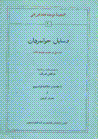


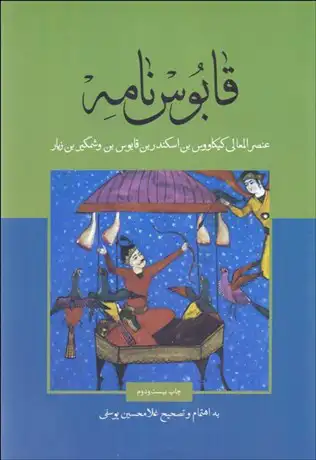
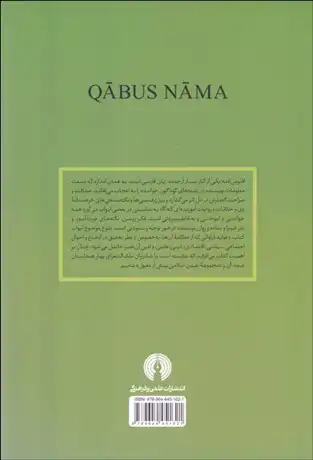
قابوسنامه فارسی 1403
Qābūs’nāmah
47٫27 $

اشتراکگذاری
Wishlist
عنوان اصلی:
قابوسنامه
شابک:
9789644451621
ویراستار:
Gholām Ḥosayn Yūsefī
ناشر:
'Ilmi va Farhangi
گروه سنی:
بزرگسال
صفحات:
609
وزن:
1000 g
ابعاد:
18 x 25 x 4٫26 cm
جلد کتاب:
شومیز
Qabus-nameh is one of the masterpieces of Persian prose and among the most important didactic works of classical Iranian literature. It was written in the fifth century AH by Kaykavus ibn Iskandar. The author composed the book in 475 AH (1082 CE) for his son Gilanshah in order to instruct him in the arts of living, kingship, education, social conduct, warfare, knowledge, and proper behavior, although the author himself emphasizes that the work is beneficial for all people, not merely for a prince.
Organized into forty-four chapters and an introduction, Qabus-nameh presents a rich collection of anecdotes, moral advice, proverbs, and life experiences in a simple, fluent prose style remarkably close to modern Persian. Interspersed throughout the text are short poems and quatrains, many of them composed by Kaykavus himself. The clarity and elegance of its language have made the work one of the foremost examples of early New Persian prose.
Over the centuries, the book has exerted a profound influence on Persian literature as well as on other literary traditions. Its style of storytelling and moral instruction influenced writers such as Saadi Shirazi, and its model of advice literature inspired the Ottoman Turkish tradition of nasihatnameh (“books of counsel”). The work has also been translated into several languages.
This edition of Qabus-nameh, prepared and edited by Gholamhossein Yousefi, is a valuable resource for readers interested in classical Persian literature, Iranian cultural history, and the intellectual and ethical traditions of medieval Iran.
more
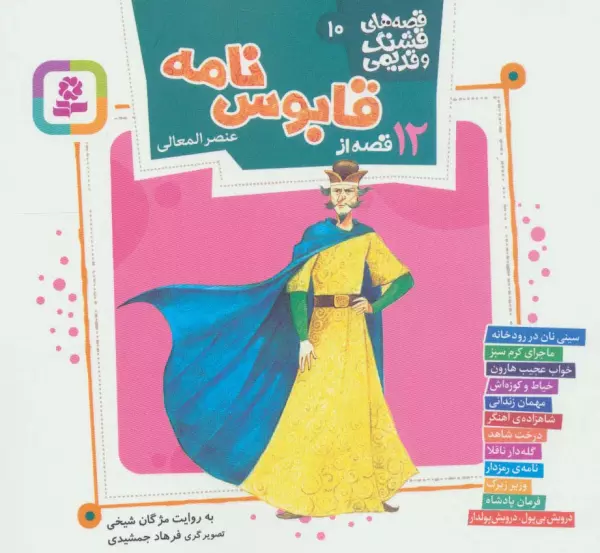
«قابوسنامه» یکی از برجستهترین آثار نثر فارسی و از مهمترین اندرزنامههای ادب کلاسیک ایران است که در قرن پنجم هجری به قلم عنصرالمعالی کیکاووس بن اسکندر زیاری نگاشته شد. نویسنده این کتاب را در سال 475 هجری قمری برای فرزندش گیلانشاه نوشت تا او را با آیین زندگی، کشورداری، تربیت، آداب اجتماعی، فنون جنگ، دانشهای رایج و شیوه درست زیستن آشنا کند؛ هرچند خود نویسنده تأکید میکند که این کتاب برای همه انسانها سودمند است، نه فقط برای یک شاهزاده. انگار حتی هزار سال پیش هم والدین فکر میکردند اگر نصیحتها را کتاب کنند، شاید بالاخره فرزندشان گوش بدهد.
قابوسنامه در 44 فصل و یک مقدمه تنظیم شده و با نثری ساده، روان و نزدیک به فارسی امروز، مجموعهای از حکایتها، پندها، ضربالمثلها و تجربههای زندگی را در خود جای داده است. در میان نثر کتاب، اشعاری کوتاه و رباعیاتی نیز آمده که بیشتر آنها سروده خود کیکاووس است. سادگی و شیوایی نثر این اثر، آن را به یکی از نمونههای مهم زبان فارسی دری تبدیل کرده است.
این کتاب در طول تاریخ تأثیر عمیقی بر ادبیات فارسی و حتی ادبیات دیگر زبانها گذاشته و شیوه حکایتپردازی و اندرزگویی آن بر نویسندگانی چون سعدی اثرگذار بوده است. قابوسنامه همچنین به زبانهای گوناگون ترجمه شده و در ادبیات ترکی عثمانی الهامبخش شکلگیری سنت «نصیحتنامه» بوده است.
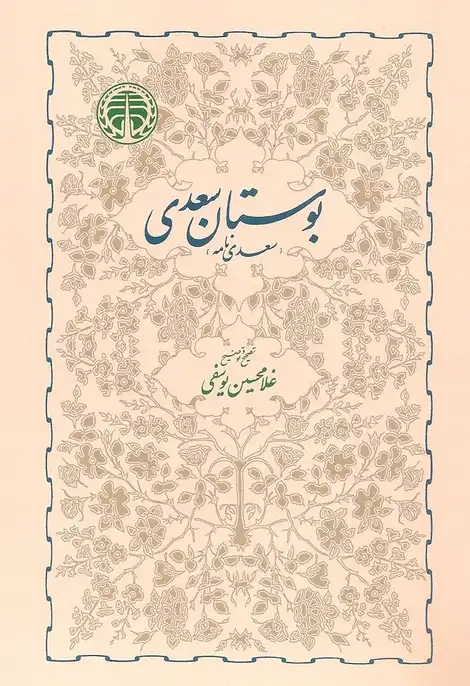
«قابوسنامه» اثری ارزشمند برای علاقهمندان به ادبیات کلاسیک، تاریخ فرهنگ ایران و شیوههای اندیشه و زندگی در ایران کهن است؛ این کتاب به اهتمامو تصحیح غلامحسین یوسفی به چاپ رسیده است..
more