
انگلیسی 1402
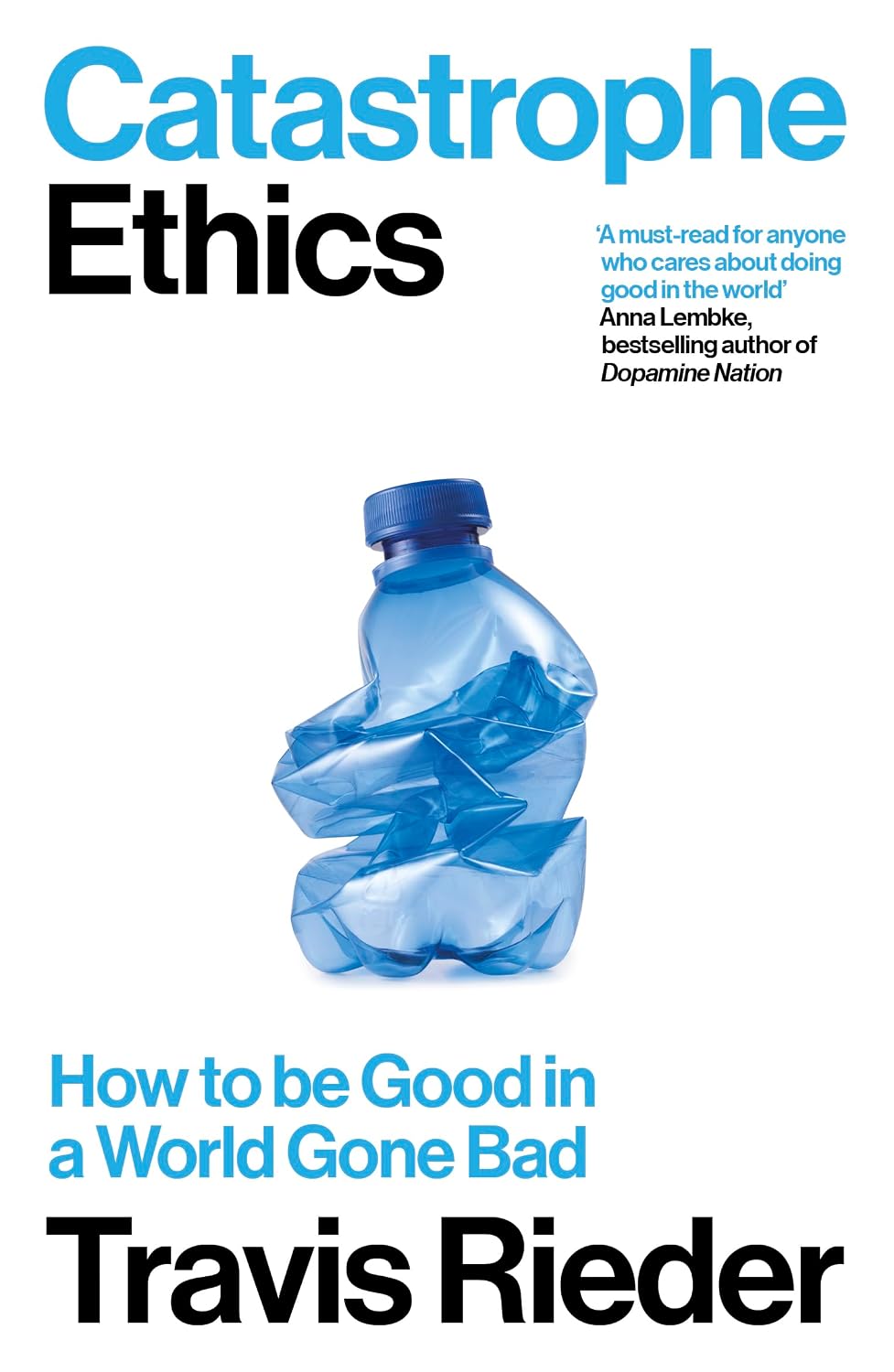
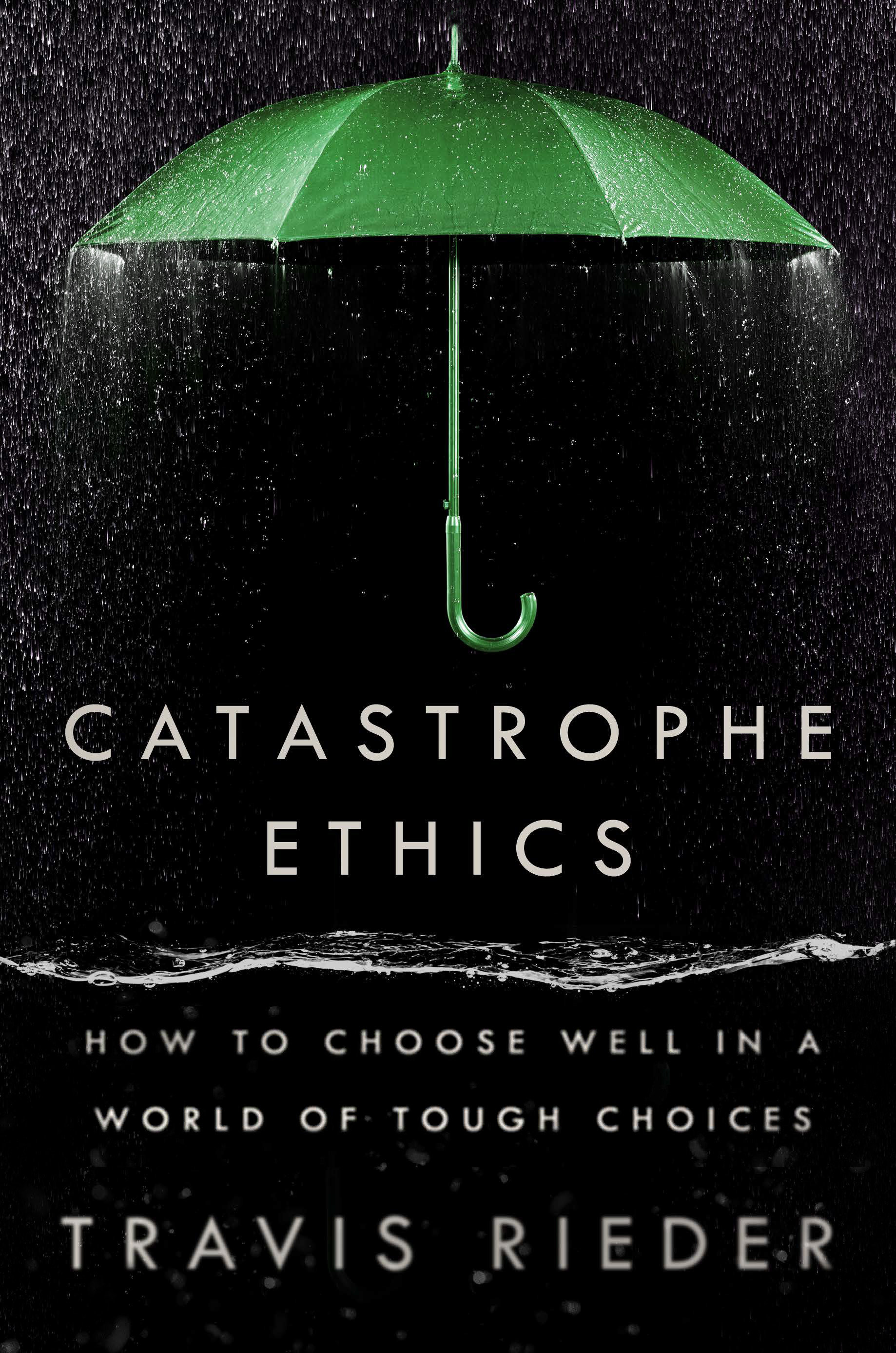
Catastrophe Ethics
22٫82 $
اشتراکگذاری
Wishlist
شابک:
9780593471975
ناشر:
Penguin Random House US
صفحات:
336
وزن:
516 g
ابعاد:
16 x 24 x 3 cm
جلد کتاب:
جلد سخت
How to live a morally decent life in the midst of today's constant, complex choices
In a world of often confusing and terrifying global problems, how should we make choices in our everyday lives? Does anything on the individual level really make a difference? In Catastrophe Ethics, Travis Rieder tackles the moral philosophy puzzles that bedevil us. He explores vital ethical concepts from history and today and offers new ways to think about the “right” thing to do when the challenges we face are larger and more complex than ever before.
Alongside a lively tour of traditional moral reasoning from thinkers like Plato, Mill, and Kant, Rieder posits new questions and exercises about the unique conundrums we now face, issues that can seem to transcend old-fashioned philosophical ideals. Should you drink water from a plastic bottle or not? Drive an electric car? When you learn about the horrors of factory farming, should you stop eating meat or other animal products? Do small commitments matter, or are we being manipulated into acting certain ways by corporations and media? These kinds of puzzles, Rieder explains, are everywhere now. And the tools most of us unthinkingly rely on to “do the right thing” are no longer enough. Principles like “do no harm” and “respect others” don’t provide guidance in cases where our individual actions don’t, by themselves, have any effect on others at all. We need new principles, with new justifications, in order to navigate this new world.
In the face of consequential and complex crises, Rieder shares exactly how we can live a morally decent life. It’s time to build our own catastrophe ethics.
In a world of often confusing and terrifying global problems, how should we make choices in our everyday lives? Does anything on the individual level really make a difference? In Catastrophe Ethics, Travis Rieder tackles the moral philosophy puzzles that bedevil us. He explores vital ethical concepts from history and today and offers new ways to think about the “right” thing to do when the challenges we face are larger and more complex than ever before.
Alongside a lively tour of traditional moral reasoning from thinkers like Plato, Mill, and Kant, Rieder posits new questions and exercises about the unique conundrums we now face, issues that can seem to transcend old-fashioned philosophical ideals. Should you drink water from a plastic bottle or not? Drive an electric car? When you learn about the horrors of factory farming, should you stop eating meat or other animal products? Do small commitments matter, or are we being manipulated into acting certain ways by corporations and media? These kinds of puzzles, Rieder explains, are everywhere now. And the tools most of us unthinkingly rely on to “do the right thing” are no longer enough. Principles like “do no harm” and “respect others” don’t provide guidance in cases where our individual actions don’t, by themselves, have any effect on others at all. We need new principles, with new justifications, in order to navigate this new world.
In the face of consequential and complex crises, Rieder shares exactly how we can live a morally decent life. It’s time to build our own catastrophe ethics.
more
more