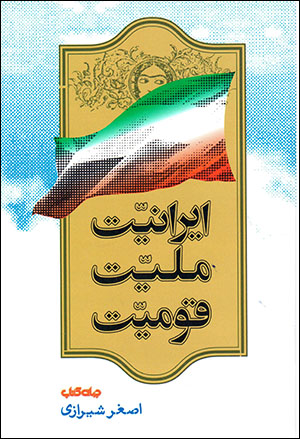


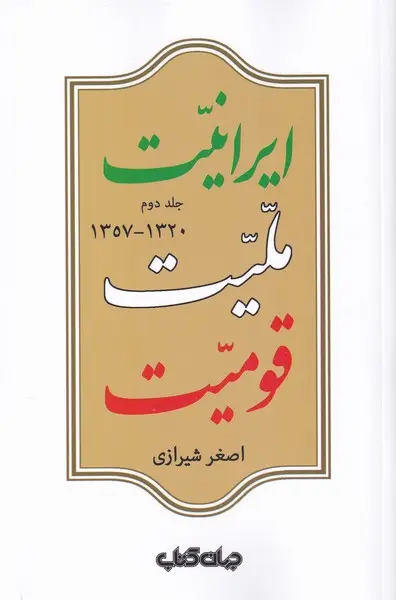
ایرانیت، ملیت، قومیت فارسی 1404
Īrānīyyat, millīyyat, qawmīyyat
19٫55 $

اشتراکگذاری
Wishlist
عنوان اصلی:
ایرانیت، ملیت، قومیت
شابک:
9786008967453
ناشر:
Jahan-i kitab
ReadingOrder:
2
گروه سنی:
بزرگسال
صفحات:
556
وزن:
500 g
ابعاد:
14 x 21 x 2 cm
جلد کتاب:
شومیز
Iranian Identity, Nationhood, and Ethnicity examines one of the most sensitive and enduring intellectual and political debates in modern Iranian history. Anyone familiar with the major public discourses of the past century in Iran will recognize that questions of Iranian identity, nationalism, and ethnicity have consistently occupied a central place in political and cultural life. These debates have often extended beyond the realm of theory, shaping political movements and, at times, giving rise to direct confrontation among competing ideological groups.
Adopting a balanced and analytical approach free from ideological preconceptions, the book explores the historical development and multiple dimensions of these interconnected concepts. It begins by tracing the origins of the idea of Iran and examining its territorial, ethnic, and political meanings, providing the historical foundation necessary for understanding the various forms of Iranian nationalism that emerged over time.
The study continues with an analysis of the principal characteristics of Iran-oriented, nationalist, and ethnonationalist movements in modern Iran, covering the period from the late nineteenth century through the early decades of the twentieth century, culminating in the outbreak of the Second World War and the fall of Reza Shah's government. Structured in five stages and presented across five chapters, this work offers a thoughtful and comprehensive contribution to the study of Iranian identity, nationalism, ethnicity, and the historical forces that have shaped these debates.
more
در جلد نخست کتاب ایرانیت، ملیت، قومیت گفتمان ملتسازی در ایران از نیمهٔ دوم قرن سیزدهم شمسی (ربع آخر قرن نوزدهم میلادی) تا پایان حکومت رضاشاه بررسی و مشکلات و موانع آن شرح داده شد.
نارضایتیهایی که در اثر استبداد حاکم بر ایران مجال بروز چندانی نداشتند، به مجرد سقوط استبداد رضاشاهی سرباز کردند و با وسعت و شدت بیشتر به صورت تجدید جنبشهای ناسیونالیستی قومی مرکزگریز، بهخصوص در آذربایجان و منطقهٔ کردنشین مکری سر درآوردند.
موضوع این کتاب بررسی این دو جنبش در نیمهٔ اول سالهای 20 هجری شمسی و فرآیند و فروکش دو حکومت مرکزگریز در آذربایجان و کردستان مکری و ادامهٔ آنها تا سال 1357 است. این بررسی در ارتباط تنگاتنگ با ادامهٔ روند ملتسازی و ملتگرایی در مرکز انجام میگیرد که ازجمله، و ناگزیر بعضا، به شکل کنش و واکنش متقابل با ملتگراییهای قومی پیرامونی نیز در آمده است.
این کتاب از دو بخش و ده فصل تشکیل شده است. بخش اول که مشتمل بر فصلهای اول تا هفتم است از یکطرف به بررسی وقایعی کلی میپردازد که در اثر جنگ دوم جهانی و اشغال ایران توسط نیروهای متفق شوروی، بریتانیا و آمریکا رخ دادند، و در طرف دیگر به پیدایش و فروکش جنبش قومگرایانهٔ آذربایجان به رهبری فرقهٔ دموکرات آذربایجان. بخش دوم یا فصلهای هشتم تا دهم به بررسی جنبش کردگرایانه (کردایتانه) به رهبری حزب دموکرات کردستان اختصاص دارد، ولی این کار در بستر همان محیط سیاسیای انجام میگیرد که در فصلهای اول تا پنجم بررسی شدهاند.
more