

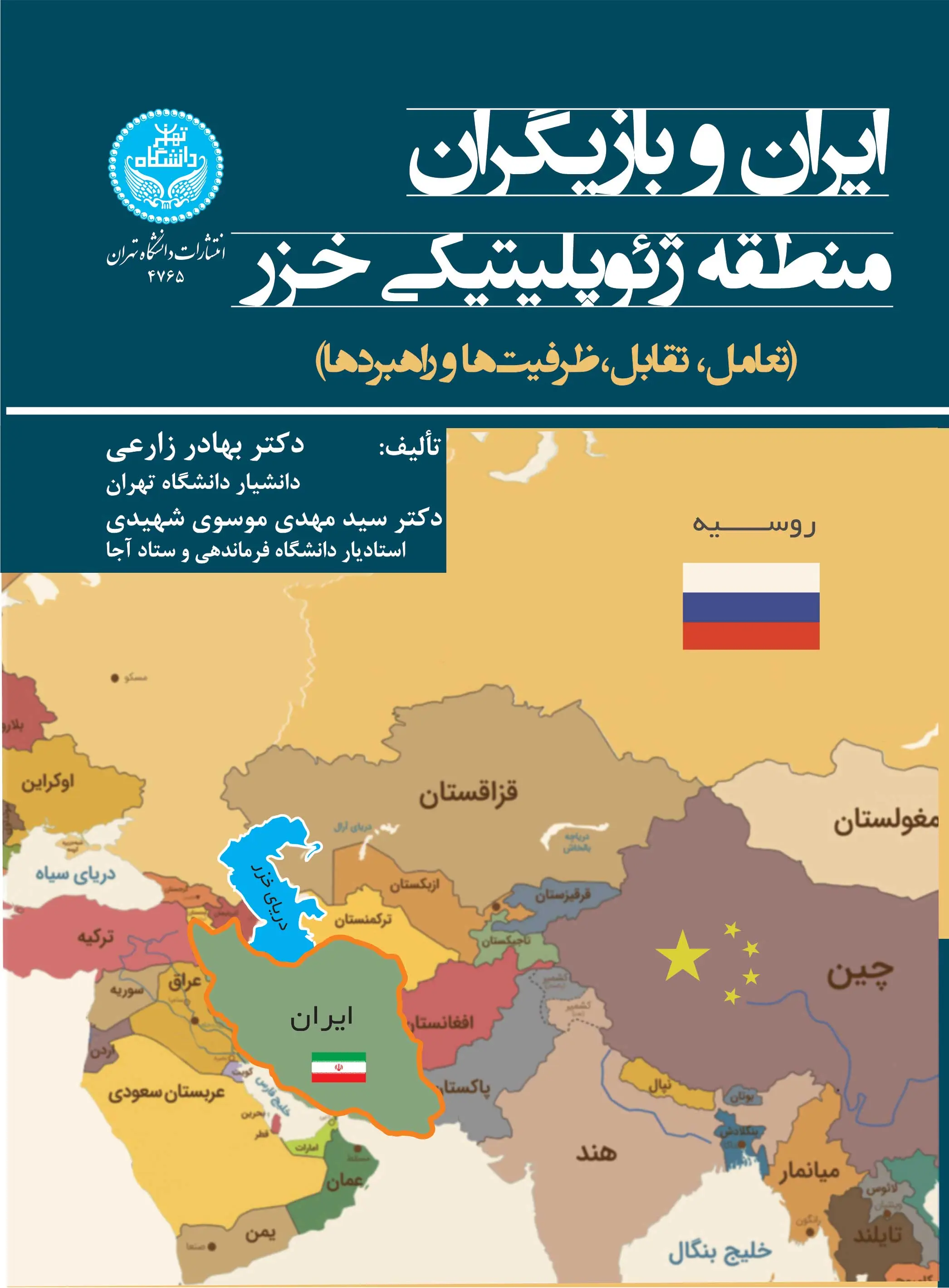
کتاب ایران و بازیگران منطقه ژیوپلیتیکی خزر: (تعامل، تقابل، ظرفیتها و راهبردها) فارسی 1404
Īrān va bāzīgarān-i minṭaqah-yi zhiyūpūlītīkī-yi Khazar(taʿāmul, taqābul, ẓarfīyat-hā va rāhburd-hā)
33٫60 $

اشتراکگذاری
Wishlist
عنوان اصلی:
ایران و بازیگران منطقه ژیوپلیتیکی خزر (تعامل، تقابل، ظرفیتها و راهبردها)
شابک:
9789640379141
ناشر:
Danishgah-i Tihran
گروه سنی:
بزرگسال
صفحات:
566
وزن:
849 g
ابعاد:
16 x 25 x 3 cm
جلد کتاب:
شومیز
This work is organized into eight chapters and examines the various geopolitical dimensions of the Caspian Sea region. The chapters address topics such as the fundamental concepts of geopolitics, the geographical position and energy resources of the Caspian, Iran’s foreign relations with the littoral states, namely Azerbaijan, Turkmenistan, Kazakhstan, and Russia, the legal regime of the Caspian Sea, Iran’s challenges and capacities in the region, the role of extra-regional powers such as the United States, China, the European Union, Turkey, and Israel, as well as Iran’s position in regional organizations such as Economic Cooperation Organization and the Shanghai Cooperation Organisation, alongside developments in the South Caucasus and their impact on Iran’s national security.
Adopting a comprehensive and multidimensional approach, the authors do not confine the subject merely to legal or economic issues. Instead, through geostrategic, geoeconomic, and geocultural perspectives, they analyze the complex relationships shaping this region. One of the book’s central themes is the examination of the rivalry between two geopolitical triangles: the extra-regional triangle of the United States, Turkey, and Israel, versus the regional triangle of Russia, Iran, and Armenia in the Caspian and South Caucasus regions. Emphasizing Iran’s historical and civilizational legacy in this area, the authors warn against geopolitical neglect and the prioritization of regions such as the Middle East over the Caspian, regarding the latter as vital to Iran’s national interests.
This book constitutes a valuable resource for students and researchers in the fields of Political Geography, International Relations, and regional studies, as well as for experts and diplomats working in foreign policy and energy affairs. It can play an important role in fostering a deeper understanding of the capacities and limitations of the Caspian region for policymakers and national planners.
more
این اثر در 8 فصل تدوین شده و به بررسی ابعاد مختلف ژیوپلیتیکی منطقه دریای خزر میپردازد. فصول کتاب شامل مباحثی پیرامون مفاهیم پایه ژیوپلیتیک، موقعیت جغرافیایی و منابع انرژی خزر، روابط خارجی ایران با کشورهای ساحلی یعنی آذربایجان، ترکمنستان، قزاقستان و روسیه، رژیم حقوقی دریای خزر، چالشها و ظرفیتهای ایران در منطقه، نقش قدرتهای فرامنطقهای مانند آمریکا، چین، اتحادیه اروپا، ترکیه و رژیم صهیونیستی، جایگاه ایران در سازمانهای منطقهای همچون اکو و شانگهای و همچنین تحولات قفقاز جنوبی و تأثیر آن بر امنیت ملی ایران میشود.
نویسندگان با رویکردی جامع و چندبعدی، موضوع را صرفاً به مسایل حقوقی یا اقتصادی محدود نکرده و با نگاهی ژیواستراتژیک، ژیواکونومیک و ژیوکالچر به تحلیل روابط پیچیده در این منطقه پرداختهاند. یکی از محورهای اصلی کتاب بررسی رقابت دو مثلث ژیوپلیتیکی شامل مثلث فرامنطقهای آمریکا، ترکیه و رژیم صهیونیستی در مقابل مثلث منطقهای روسیه، ایران و ارمنستان در منطقه خزر و قفقاز جنوبی است. نویسندگان با تأکید بر پیشینه تاریخی و تمدنی ایران در این منطقه، نسبت به غفلت ژیوپلیتیکی و اولویتدادن به مناطقی مانند خاورمیانه بر منطقه خزر هشدار داده و آن را برای منافع ملی حیاتی میدانند.
این کتاب منبعی ارزشمند برای دانشجویان و پژوهشگران رشتههای جغرافیای سیاسی، روابط بینالملل و مطالعات منطقهای و همچنین کارشناسان و دیپلماتهای حوزه سیاست خارجی و انرژی به شمار میرود و میتواند نقش موثری در شناخت عمیقتر ظرفیتها و محدودیتهای منطقه خزر برای تصمیمگیران و برنامهریزان کشور داشته باشد.
more