

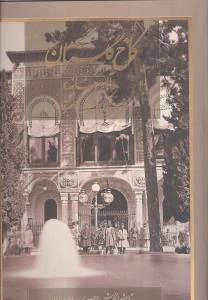
کاخ گلستان (آلبوم خانه): فهرست عکسهای برگزیده عصر قاجار فارسی 1404
Kākh-e Golestān (Ālbom khāneh)Fehrest-e ‘aks-hā-ye bargozīdeh-ye ‘aṣr-e Qājār
144٫70 $

اشتراکگذاری
Wishlist
عنوان اصلی:
کاخ گلستان (آلبوم خانه): فهرست عکسهای برگزیده عصر قاجار
شابک:
9789648913910
گروه سنی:
بزرگسال
صفحات:
484
وزن:
4265 g
ابعاد:
21 x 30 x 4 cm
جلد کتاب:
جلد سخت
The book Golestan Palace, which contains a selection of Qajar-era photographs from the Albumkhaneh (Photo Archive) of Golestan Palace, was published in 2003 (1382 SH) by the Iranian Cultural Heritage Organization, following research and writing by Mohammad-Hassan Samsar and Fatemeh Sarayan.
The Albumkhaneh is part of the Golestan Palace cultural complex in Tehran, which includes gardens, palaces, museums, a library, and buildings dating from the Zand period to the Qajar era. This world-renowned cultural complex, with its rich architectural and artistic heritage, has the potential to be one of the most attractive centers for both international and domestic tourism.
The present book is an effort to introduce a portion of the highly valuable visual historical documents preserved in this exceptional collection, with the hope that it may serve as a starting point for broader and more comprehensive efforts in the future.
Pages 21 to 118 of the book consist of alphabetically arranged tables listing the photographs. These tables include detailed information such as the photograph number, subject, photographer, date, dimensions, album number, image reference, and identification numbers recorded in two columns abbreviated as Sh.Sh and Sh.N. In this way, the book provides a highly valuable reference source for researchers and readers.
In the opening pages, the director of Golestan Palace, in the publisher’s preface, offers explanations about the historical significance of the work. One passage reads:
“... Beyond his role in promoting and popularizing photography, the great contribution of Naser al-Din Shah, whose impact continues to be discussed, studied, and utilized today, lies in the establishment of a vast visual archive now known as the Albumkhaneh of Golestan Palace.
This archive—most of which was assembled through Naser al-Din Shah’s personal interest in and encouragement of photography during his own reign—may not be the largest center of historical visual documentation in the world, but it is undoubtedly among the richest.
Until now, insufficient effort has been made to properly identify and introduce this unique Iranian historical archive, which includes not only visual records from the 13th and 14th centuries AH, but also images of Persepolis, Susa, Ctesiphon, Bisotun, and other sites whose origins go back thousands of years.
Alongside its other cultural activities, Golestan Palace has therefore resolved to properly present this historical archive. Important steps have already been taken in the past, including an experimental project titled Preliminary Plan for the Organization of the Golestan Palace Albums.
The results of this project include the comprehensive identification of 2,100 photographs selected from nearly 40,000 photographs and black-and-white and color prints contained in 1,040 albums of the Albumkhaneh. These have been documented in the form of 2,100 photo records, 3,222 information cards, and 56 reference albums, all of which are now accessible to researchers.
In order to make the results of this work available to the public and to allow specialists to evaluate the methodology, Golestan Palace decided to publish the outcomes of this preliminary project in the present book...”
It should also be noted that photography and slide preparation for the book were carried out by Davoud Sadegh-Saba, and that approximately 100 pages of the volume are devoted separately and in detail to extended captions and annotations of the photographs.
more
کتاب کاخ گلستان که در بگیرنده عکس های برگزیده عصر قاجار از آلبوم خانه کاخ گلستان است؛ در سال 1382 با تحقیق و نگارش محمدحسن سمسار و فاطمه سراییان توسط میراث فرهنگی کشور منتشر شد.
آلبوم خانه بخشی از مجموعه فرهنگی کاخ گلستان تهران است که از باغ و کاخ و موزه و کتابخانه و بناهایی از دوره زندیه تا عصر قاجاریه را شامل می شود .
این مجموعه فرهنگی با شهرت جهانی می تواند با داشتن آثار معماری و هنری گرد آمده در آن یکی از پر جاذبه ترین کانون های جلب جهانگردان و ایرانگردان باشد .
کتاب حاضر کوششی است در معرفی گوشه ای از اسناد مصور تاریخی پر ارزش این مجموعه ی نفیس تاریخی که امید است سرآغاز تلاش و کوشش های بیشتر و بهتر در آینده باشد .
در صفحه 21 تا 118 کتاب با جداول فهرست عکس ها به ترتیب حروف الفبا مواجه هستیم. جداول در برگیرنده شماره، موضوع عکس، عکاس، تاریخ، اندازه، شماره آلبوم، عکس و شماره شناسایی اثر که در دو سلول با حروف اختصاری ش.ش و ش.ن لحاظ شده می باشند. و بدین ترتیب منبع ارزشمندی را برای مخاطب خود فراهم آورده است.
مدیر کاخ گلستان در صفحات آغازین در مطلب پیشگفتار ناشر، درباره این اثر تاریخی توضیحاتی ارایه کرده که در بخشی از آن آمده:
“… اما نقش بزرگی که ناصرالدین شاه افزون بر رواج و رونق عکاسی بازی کرد و تأثیر این نقش که امروزه پس از سالها مورد بحث و گفتگو و استفاده است، پایه گذاری آرشیو تصویری بزرگی است که ما امروز آنرا به نام « آلبوم خانه کاخ گلستان » می شناسیم .
این آرشیو که بیشترین بخش آن در پی علاقمندی و تشویق ناصرالدین شاه از هنر عکاسی و به روزگار خود او گرد آمده، امروز اگر بزرگترین مرکز اسناد مصور تاریخی جهان به شمار نیاید بی تردید یکی از غنی ترین آنهاست.
برای شناسایی و شناساندن این مرکز اسناد کم نظیر تاریخی ایران که نه تنها شامل مدارک مصور سده 13 و 14 ق، بلکه دارای اسنادی چون تصاویر تخت جمشید، شوش، تیسفون، بیستون و جز آن است که قدمت آنها به هزاره های پیشین می رسد، در گذشته کوشش در خور توجهی نشده است.
کاخ گلستان بر آن است که در کنار دیگر فعالیتهای فرهنگی، به معرفی این مرکز اسناد تاریخی نیز چنانکه باید و شاید بپردازد. در انجام این امر ضروری گامهایی در گذشته دور و نزدیک برداشته شده که یکی از آنها اجرای یک پروژه آزمایشی زیر نام پیش طرح ساماندهی آلبومهای کاخ گلستان بود . دست آورد اجرای این طرح، شناسایی همه جانبه ای از 2100 عکس از میان نزدیک به 40000 عکس و باسمه های رنگی و سیاه و سفید موجود در 1040 جلد آلبوم « آلبوم خانه کاخ گلستان » است که به صورت 2100 شناسنامه عکس ، 3222 عدد کارت اطلاعاتی و 56 جلد آلبوم سایه هم اکنون در دسترس پژوهشگران قرار دارد.
برای آنکه حاصل کار انجام شده در اختیار همگان باشد و روش کار مورد نقد و بررسی صاحب نظران قرار گیرد کاخ گلستان بر آن شد که دست آورد پیش طرح یاد شده را به صورت کتاب حاضر منتشر کند …”
ذکر این نکته ضروری استت که عکس برداری و تهیه اسلایدها برعهده ی داود صادق سا بوده و همچنین حدود 100 صفحه از کتاب به صورت مجزا و مفصل به زیرنویس عکس ها اختصاص پیدا کرده است.
more