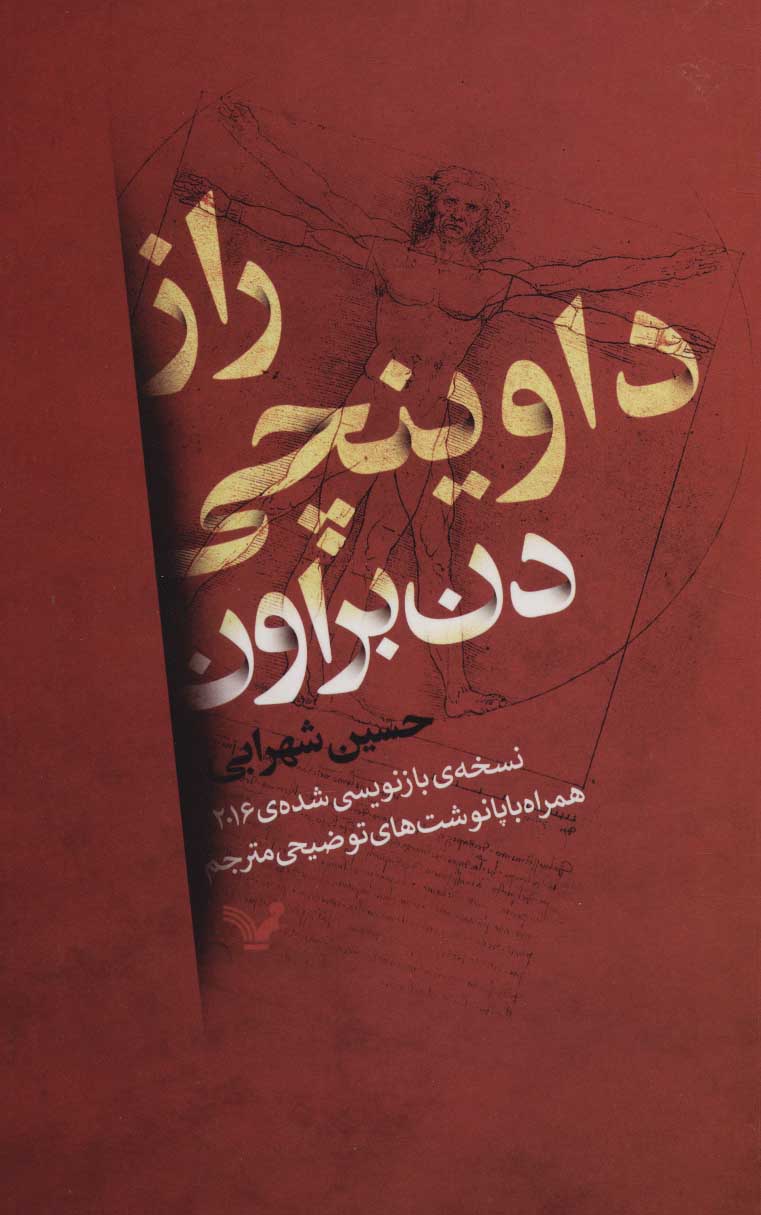


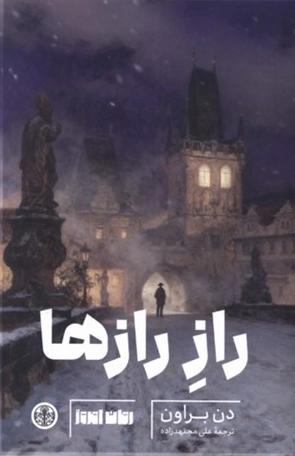
راز رازها فارسی 1404
Rāz-e rāzhā
29٫16 $

اشتراکگذاری
Wishlist
عنوان اصلی:
The Secret of Secrets
شابک:
9786224520333
ناشر:
Kitab-i Parsih
گروه سنی:
بزرگسال
صفحات:
672
وزن:
670 g
ابعاد:
13 x 20 x 2٫8 cm
جلد کتاب:
شومیز
The Secret of Secrets is Dan Brown’s latest novel and the sixth installment in the popular Robert Langdon series. While it follows the familiar blend of code-breaking, historical architecture, symbolism, and bold scientific theories, this time it moves into a far more abstract and philosophical territory: the nature of human consciousness. The story opens in a highly charged atmosphere, placing Langdon at the center of a vortex of multilayered conspiracies, global chases, and profound ontological questions—an adventure concerned not merely with power or religion, but with consciousness itself and the possibility of realities beyond human perception.
Brown sets the stage in Prague, a city that functions not merely as a setting but as a full-fledged character in its own right. The narrow, winding streets of the Jewish Quarter, the legend of the Golem, the city’s shadowed architecture, and its centuries-old history together create a mysterious and symbolic atmosphere. This ambiance naturally aligns with the novel’s central theme: the interweaving of past and present, mysticism and science.
Langdon arrives in Prague alongside Katherine Solomon, a cognitive scientist and a pivotal figure in the novel. Yet just as a scientific presentation on consciousness is about to take place, unknown forces intervene, diverting their path and thrusting Langdon into a complex pursuit that takes him from Central Europe to London and then to New York.
At its conceptual core, the novel revolves around the confrontation between science and mysticism. Brown employs a provocative idea: that consciousness is not produced by the brain, but that the brain functions as a receiver for a broader, universal field of consciousness. This notion, which lends the narrative a metaphysical dimension, shapes both the motivations of the characters and the overall tone of the story, making it more overtly philosophical than Brown’s earlier works. As in The Da Vinci Code or Inferno, knowledge once again becomes a source of power—but here the power at stake is neither political nor religious, but the authority to define the truth of human existence itself.
Alongside these philosophical themes, the novel retains Brown’s signature fast-paced rhythm and addictive narrative formula: symbolic puzzles, hidden documents, shadowy adversaries, powerful organizations, and relentless countdowns. Although some critics have noted that Brown’s explanatory style can feel repetitive, or that the scientific theories presented blur the line between science and pseudoscience, it is precisely this conceptual boldness that many readers find most compelling.
Ultimately, The Secret of Secrets is more than a conventional mystery thriller. It is a meditation on the search for truth at the intersection of reason and faith, experience and science. By engaging with questions such as “Where does consciousness come from?”, “What does death mean?”, and “Is there knowledge deliberately withheld from humanity?”, the novel transcends the boundaries of a typical puzzle-driven thriller and moves toward a philosophical suspense narrative.
For fans of Dan Brown, The Secret of Secrets represents a grand return to the world of codes, history, and big ideas—a gripping and sometimes controversial work that, despite its ambition, retains the structural appeal and narrative momentum that have made the Langdon novels global bestsellers.
more
رمان «راز رازها» تازهترین اثر دن براون و ششمین کتاب از مجموعه محبوب رابرت لنگدان است؛ اثری که با همان ترکیب آشنای رمزگشایی، معماری تاریخی، نمادشناسی و نظریههای جسورانه علمی پیش میرود، اما اینبار وارد قلمرویی بسیار انتزاعیتر و فلسفیتر میشود: ماهیت آگاهی انسان. ماجرا در فضایی پرتنش آغاز میشود و لنگدان را درست در میانه گردابی از توطیههای چندلایه، تعقیبهای جهانی و پرسشهای عمیق هستیشناختی قرار میدهد؛ ماجرایی که این بار نه فقط درباره قدرت یا مذهب، بلکه درباره خود آگاهی و امکان وجود جهانی فراتر از ادراک انسانی است. براون صحنه را با شهر پراگ میسازد؛ شهری که در این رمان فقط لوکیشن نیست، بلکه بهمعنای واقعی کلمه نقش یک شخصیت را بازی میکند. کوچههای تنگ و پرپیچوخم محله یهودی، افسانه ساخت گولم، معماری نیمهسایهدار و تاریخ چندصدساله شهر همزمان حالوهوایی رازآلود و نمادین ایجاد میکنند؛ حالوهوایی که به شکلی طبیعی با مضمون اصلی داستان، یعنی پیوند گذشته و حال، عرفان و علم، تنیده میشود. لنگدان همراه کاترین سولومون-دانشمند علوم شناختی و چهرهای محوری در این کتاب-به پراگ قدم میگذارد، اما درست در لحظهای که قرار است پژوهشی علمی درباره آگاهی ارایه شود، نیروهایی ناشناس مسیرشان را منحرف میکنند و لنگدان وارد تعقیبی پیچیده میشود که او را از مرکز اروپا به لندن و سپس به نیویورک میبرد. هسته معنایی رمان به برخورد میان علم و عرفان مربوط است؛ جایی که براون از نظریهای ذهنبرانگیز بهره میگیرد: این ایده که آگاهی محصول مغز نیست، بلکه مغز نوعی گیرنده برای سطحی گستردهتر از آگاهی جهانی است. این مفهوم، که پالایهای متافیزیکی به داستان میدهد، نه تنها انگیزههای شخصیتها را شکل میدهد، بلکه به روایت حالوهوایی فلسفیتر نسبت به آثار پیشین براون میبخشد. همانند «رمز داوینچی» یا «دوزخ»، بار دیگر دانش به ابزار قدرت تبدیل میشود، اما اینبار قدرتی که از آن سخن میرود نه سیاسی است و نه مذهبی، بلکه قدرت تعیین حقیقت درباره وجود انسان. در کنار مضامین فلسفی، داستان همچنان با همان ریتم تند و الگوی آشنا اما اعتیادآور براون پیش میرود: ترکیبی از معماهای نمادین، اسناد پنهان، دشمنان سایهنشین، سازمانهای پرنفوذ و ضربالاجلهای ثانیهشمار. هرچند برخی منتقدان اشاره کردهاند که سبک توضیحی براون گاه بازتکراری به نظر میرسد یا نظریههای علمی مطرحشده مرز علم و شبهعلم را محو میکنند، اما همین جسارت مفهومی برای بسیاری از خوانندگان جذابترین بخش داستان است. در واقع، «راز رازها» بیش از آنکه داستانی صرفا معمایی باشد، اثری است درباره جستوجوی حقیقت در نقطه اتصال عقل و ایمان، تجربه و علم. رمان با درگیرکردن پرسشهایی نظیر «آگاهی از کجا میآید؟»، «مرگ چه معنایی دارد؟» و «آیا دانشی وجود دارد که به عمد از بشریت پنهان شده است؟» خود را از یک تریلر معمایی معمولی فراتر میبرد و تجربهای نزدیکتر به تریلر فلسفی ارایه میدهد. برای طرفداران دن براون، «راز رازها» بازگشتی باشکوه به جهان رمزها و تاریخ و ایدههای بزرگ است؛ روایتی پرکشش که هرچند بحثبرانگیز و گاهی بلندپروازانه به نظر میرسد، اما همان جذابیت ساختاری و ضرباهنگی را دارد که آثار لنگدان را به پرفروشترینهای جهانی تبدیل کرده است.
more