

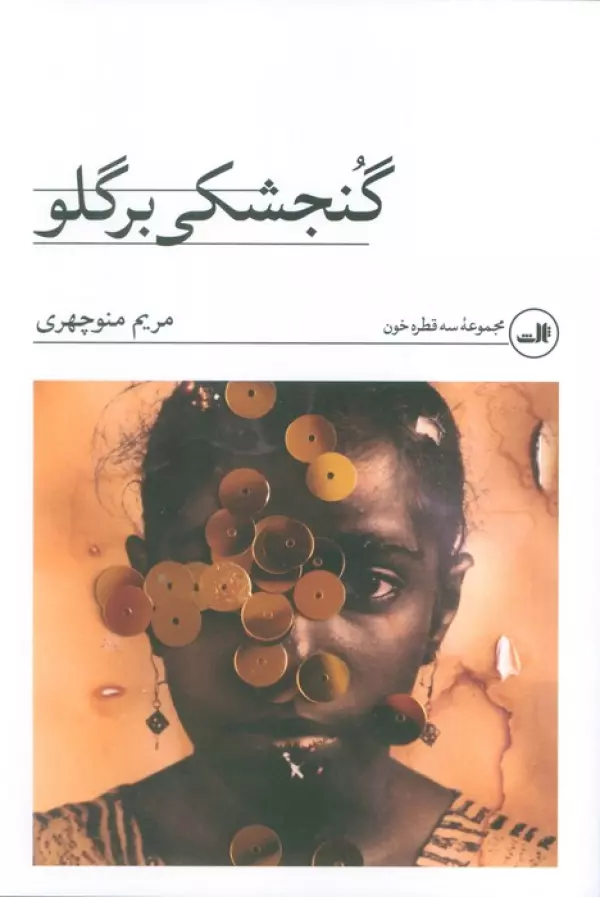
گنجشکی بر گلو فارسی 1404
Gonjeshkī bar Golu
12٫01 $

اشتراکگذاری
Wishlist
irls, do you remember that in Tir 1373 someone in our town hanged herself? A woman. A woman named Saheb-Jan?”
It didn’t take long before they all started answering at once. None of them remembered.
I said, “How can you not remember? In such a small town—”
She cut me off, thinking I was about to drift back into that vagueness again. Before I could reply, another one said:
“Does this Saheb-Jan have anything to do with that girl whose name we can’t remember?”
Then she answered herself: “Yeah. Her aunt. I mean, that’s what you said. We don’t remember anything.”
I was about to say—yet again—that one day they left, that one day they disappeared from town without a word, but I didn’t.
How many times should I repeat it? Especially when back then the town was still quiet and many of the war-displaced families hadn’t returned yet.
One of them said: “Are you becoming vague again?”
Sparrow on the Throat, by Maryam Manouchehri, is a collection of short stories written in a concise, intimate, and quietly powerful style. The book portrays the lives of women who, beneath the surface of daily routines, hidden memories, and long silences, confront their past and their sense of identity.
With simple yet poetic language, the author reveals untold wounds, suppressed desires, and invisible regrets. Reality and imagination weave together in these brief moments through which both the personal and collective worlds of the characters emerge.
Addressing themes such as death, solitude, love, silence, and fate, the book invites the reader to reflect on the unseen layers of life.
Sparrow on the Throat stands as an example of contemporary Persian women’s narratives—examining interior worlds with detail, empathy, and humanity. It is not only an echo of the author’s personal experiences, but also a voice for women whose stories have rarely been heard.
more
«دخترا شما یادتونه تیر 1373 یه نفر توی شهر خودش رو دار زد؟ یه زن. یه زنی به اسم صاحبجان؟» خیلی طول نکشید که همه با هم شروع کردند به جوابدادن. هیچکدام یادشان نبود. گفتم: «چطور یادتون نیست؟ اون هم توی یه شهر کوچیک مبهم را وقتی میگفت که فکر میکرد دوباره دارم میروم آن پایینها. تا بیایم جواب بدهم، یکی دیگرشان گفت:
«این صاحبجان به اون دختری که اسمش یادمون نمیآد ربط داره؟» بعد خودش ادامه داد: «آره. عمهش بود. یعنی تو میگفتی عمهش بود. ما که چیزی یاد نداریم.» آمدم برای بار چندم بگویم یک روزی رفتند، یک روزی بیخبر از شهر رفتند، اما نگفتم. چندبار بگویم؟که تازه اون موقع خیلی هم خلوت بود و هنوز خیلی از جنگزدهها برنگشته بودن.» یکیشان گفت: «تو دوباره مبهم شدی؟»
کتاب «گنجشکی بر گلو» نوشتهی مریم منوچهری، اثری است در قالب داستان کوتاه که با نثری موجز، صمیمی و درعینحال تأثیرگذار، به تصویرسازی زندگی زنانی میپردازد که در سایهی روزمرگی، خاطرات و خاموشیهای پنهان، با گذشته و هویت خود مواجه میشوند. نویسنده با بهرهگیری از زبانی ساده اما شاعرانه، روایتهایی را از زخمهای ناگفته، اشتیاقهای سرکوبشده و حسرتهای ناپیدا بازگو میکند. در این مجموعه، واقعیت و خیال درهمتنیدهاند؛ لحظاتی کوتاه که از خلال آنها، جهان فردی و جمعی شخصیتها آشکار میشود. کتاب، ضمن پرداختن به موضوعاتی همچون مرگ، تنهایی، عشق، سکوت و سرنوشت، مخاطب را به تأمل در لایههای نادیدهی زندگی دعوت میکند. «گنجشکی بر گلو» را میتوان نمونهای از روایت زنانه در ادبیات معاصر فارسی دانست که با نگاهی جزیینگر و انسانی، به کاوش در درون شخصیتها میپردازد. این کتاب نهتنها بازتابی از تجربههای شخصی نویسنده، بلکه پژواکی است از صدای زنانی که کمتر شنیده شدهاند.
more


.jpg)