
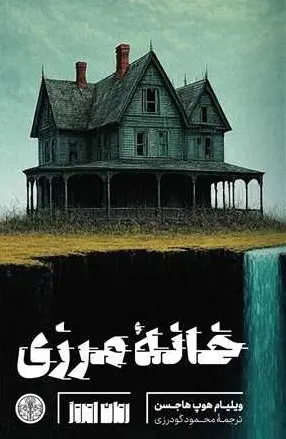
خانه مرزی فارسی 1404
Khānah-ʼi Marzī
11٫98 $

اشتراکگذاری
Wishlist
عنوان اصلی:
The House on the Borderland
شابک:
9786002539656
مترجم:
Maḥmūd Gūdarzī
گروه سنی:
بزرگسال
صفحات:
208
وزن:
250 g
ابعاد:
14 x 21 x 1٫3 cm
جلد کتاب:
شومیز
The novel The House on the Borderland by William Hope Hodgson is one of the earliest and most striking examples of cosmic horror in English literature. First published in 1908 by Chapman & Hall in London, the work blends Gothic storytelling, metaphysical philosophy, and apocalyptic imagination. The narrative begins in a remote region of western Ireland but gradually expands into realms beyond time, space, and human comprehension. On one hand, the novel is a pioneer in the creation of philosophical horror; on the other, it serves as a bridge between 19th-century supernatural fiction and 20th-century cosmic stories.
The story opens with a frame narrative: two fishermen, on holiday in a desolate area, discover the ruins of a house perched on a cliff. Among the debris, they find a decayed manuscript written by the house’s previous owner. Its narrator—a reclusive old man living only with his sister Mary and his loyal dog Pepper—records a series of horrifying events. Initially, there are mysterious and faint signs: shifting lights on the horizon, dreams of an endless plain inhabited by ancient deities, and a massive, jade-like vision of the house itself set against a cosmic backdrop. Soon, however, these signs become tangible terrors: pig-like, semi-human creatures emerge from the fissures beneath the house, surrounding the recluse in an unending siege. In desperation, he defends himself, retreats into tunnels and underground chambers, and ultimately enters a realm beyond time and matter.
The narrative then takes on a cosmic scope: the sun dies, the Earth ages, and the house collapses as the universe itself crumbles. The manuscript ends abruptly and ambiguously, leaving the narrator’s fate unresolved. On an interpretive level, The House on the Borderland explores the boundary between humanity and the unknown. The house functions as a metaphor for the human mind, a space oscillating between tangible reality and unseen cosmic forces. In his attempt to comprehend these events, the narrator attains sublime and terrifying insights, where time and matter disintegrate, and humanity is rendered insignificant in the face of the universe’s merciless vastness.
Hodgson’s work is thus not merely a horror story, but a philosophical meditation on human frailty and cosmic entropy. Prominent themes include cosmic horror and transcendence, isolation and entropy, and the monstrous Other. The pig-like creatures symbolize the breakdown of human boundaries and the emergence of alien forces. Time is transformed from a human experience into a cosmological phenomenon, a domain in which life, history, and meaning collapse. The novel’s dual-layered structure—manuscript within the main narrative—creates a sense of ambiguity and narrative distrust, keeping the reader suspended between dream and reality.
Despite its archaic and sometimes challenging prose, Hodgson’s vast and daring imagination has made The House on the Borderland a primary source of inspiration for writers such as H. P. Lovecraft. Indeed, many of the themes that would later flourish in Lovecraftian “cosmic horror”—including humanity’s insignificance before nameless universal forces—first appeared in this novel in a striking and memorable form.
The House on the Borderland is a work that begins in solitude and isolation and ends with the collapse of the cosmos; it is a narrative of anxiety, grandeur, and the silence of the universe. Even today, it confronts readers with questions about humanity’s place in existence—questions whose answers, much like the story’s ending, remain lost in darkness.
more
رمان «خانه مرزی» اثر ویلیام هوپ هاجسن، یکی از نخستین و درخشانترین نمونههای وحشت کیهانی در ادبیات انگلیسی است. این اثر که در سال 1908 توسط انتشارات چپمن و هال در لندن منتشر شد، ترکیبی از داستان گوتیک، فلسفهی متافیزیکی و خیالپردازی آخرالزمانی است. فضای روایت در ناحیهای دورافتاده از ایرلند غربی آغاز میشود، اما بهتدریج به قلمروهایی فراتر از زمان، مکان و درک انسانی گسترش مییابد. این کتاب از یکسو پیشگام در خلق وحشت فلسفی است و از سوی دیگر پلی میان رمانهای ماوراءالطبیعه قرن نوزدهم و داستانهای کیهانی قرن بیستم محسوب میشود. داستان با روایتی قابدار آغاز میشود: دو ماهیگیر در تعطیلات خود در منطقهای متروک، ویرانههای خانهای را بر فراز پرتگاهی پیدا میکنند. در میان خرابهها، نسخه خطی پوسیدهای مییابند که به قلم صاحب پیشین خانه نوشته شده است. راوی آن - پیرمردی منزوی که تنها با خواهرش مری و سگ وفادارش پپر زندگی میکرد - شرحی از رویدادهایی هولناک ارایه میدهد. در ابتدا، نشانههای مرموز و کمجان دیده میشود: نورهای متغیر در افق، خوابهایی از دشتی بیانتها که خدایانی باستانی در آن ساکناند، و تصویری یشمی و عظیم از خود خانه در فضایی کیهانی. اما این نشانهها بهزودی به ترسهای عینی بدل میشوند؛ موجوداتی خوکمانند و نیمهانسانی از شکافهای زیر خانه بیرون میآیند و گوشهنشین را در محاصرهای بیپایان قرار میدهند. او با وحشت از خود دفاع میکند، به تونلها و اعماق زیرزمین میگریزد، و در نهایت وارد جهانی فراتر از زمان و ماده میشود. روایت بهناگاه گسترهای کیهانی مییابد: خورشید میمیرد، زمین پیر میشود، و خانه در برابر فروپاشی جهان فرو میریزد. نسخه خطی با صحنهای گسسته و مبهم پایان میپذیرد، بیآنکه سرنوشت راوی روشن شود. در لایهی تفسیری، «خانه مرزی» دربارهی مرز میان انسان و ناشناختگی است. خانه در اینجا استعارهای از ذهن انسان است؛ مکانی که میان واقعیت ملموس و نیروهای کیهانی ناپیدا در نوسان است. راوی در تلاش برای فهم این وقایع، به درکهای متعالی و هولناک از وجود میرسد؛ جایی که زمان و ماده فرو میپاشند و انسان در برابر عظمت بیرحم جهان، هیچ میشود. از این رو، اثر هاجسن نهتنها داستانی از وحشت، بلکه تأملی فلسفی دربارهی کوچکی بشر و فرسودگی کیهان است. مضامین برجستهی کتاب شامل وحشت کیهانی و تعالی خود، انزوا و آنتروپی، و دیگری هیولایی است. موجودات خوکی، نمادی از فروپاشی مرزهای انسانیت و ظهور نیروهای غریبهاند. زمان نیز در این رمان از یک تجربهی انسانی به پدیدهای کیهانشناختی بدل میشود؛ گسترهای که در آن حیات، تاریخ و معنا فرو میپاشند. همچنین ساختار دو لایهای داستان - نسخه خطی درون روایت اصلی - لایهای از ابهام و بیاعتمادی روایی ایجاد میکند و خواننده را در مرز رویا و واقعیت معلق نگه میدارد. با وجود نثر قدیمی و گاه دشوار، تخیل وسیع و جسورانهی هاجسن این اثر را به یکی از منابع الهام اصلی نویسندگانی چون اچ. پی. لاوکرفت تبدیل کرده است. در حقیقت، بسیاری از مضامینی که بعدها در «وحشت کیهانی» لاوکرفت شکوفا شدند - از جمله ناچیزی انسان در برابر نیروهای بینام جهان - نخستین بار در این رمان به شکلی خیرهکننده ظاهر شدند.
«خانه مرزی» اثری است که از خلوت و انزوا آغاز میشود و با فروپاشی کیهان پایان مییابد؛ روایتی از اضطراب، عظمت و سکوت جهان. این کتاب هنوز هم خواننده را با پرسشهایی دربارهی جایگاه انسان در هستی مواجه میکند - پرسشهایی که پاسخشان، همانند پایان داستان، در تاریکی گم میشود.
more