

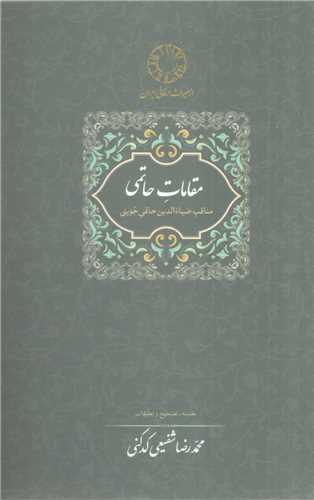
مقامات حاتمی فارسی 1403
Maqāmāt-i ḤātamīManāqib yā maqāmāt-i Żiyāʼ al-Dīn Ḥātimī Juwaynī
20٫58 $

اشتراکگذاری
Wishlist
The book Maqamat Hatami, Manaqib or Maqamat Zia al-Din Hatami Juwayni is a mystic from Khorasan in the 6th century AH, written shortly after his death, and is a mirror for understanding the historical geography of his time and illustrating the social and political issues of Khorasan in his time. Those who want to study the social history of Iran and that time and write a book or article about it will undoubtedly need this book and similar books. Both the political and social history of that time and the history of mysticism and Sufism of that time can never be written without referring to such works. Zia al-Din Hatami, was from the famous Hatam Asam family, all of his ancestors were famous mystics of Khorasan, and he was considered one of the most prominent Sufis of the century in his time.
Maqamat-e Hatemi, also known as The Virtues of Ziya al-Din Hatemi Juvayni, is a Sufi biographical text dating from the sixth century AH (twelfth century CE). It recounts the life, character, and spiritual standing of Ziya al-Din Abu Bakr Hatemi Juvayni. Composed shortly after his death, the work is valuable not only as a mystical and hagiographical source, but also for the study of the social, political, and geographical history of Khorasan during the period.
Ziya al-Din Hatemi belonged to the celebrated family of Hatim al-Asamm, a lineage that produced several generations of prominent mystics and Sufis in Khorasan. Alongside accounts of his life and miraculous deeds, the text offers insight into Sufi networks, khanqah culture, social relationships, and the intellectual environment of twelfth-century Khorasan.
The significance of the work extends beyond the biography of a single mystic. Its narratives provide evidence through which aspects of the history of Sufism, social structures, and cultural life in medieval Iran may be reconstructed. It is therefore a valuable source for scholars of Sufism and Islamic mysticism, Iranian social history, the history of Khorasan, and Persian hagiographical literature.
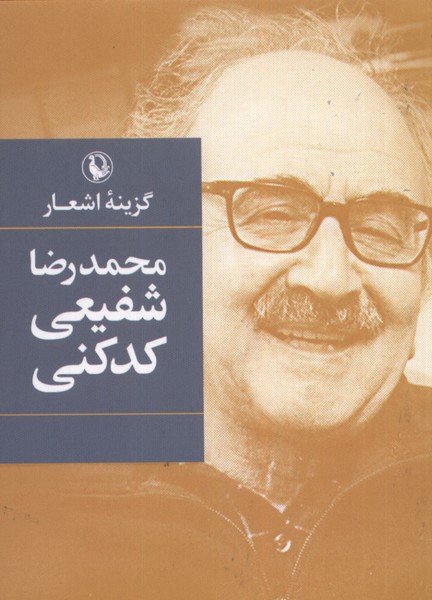
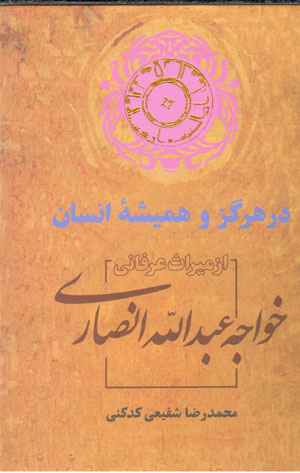
This edition includes an introduction, critical edition, and annotations by Mohammad Reza Shafi‘i Kadkani and is published by Sokhan Publishing.
more
کتاب مقامات حاتمی ، مناقب یا مقامات ضیاءالدین حاتمی جوینی است. عارفی از خراسان قرن ششم هجری که اندکی پس از وفات وی تالیف شده است و آینهای است برای شناخت جغرافیای تاریخی روزگار او و تصویرگر مسایل اجتماعی و سیاسی بخشی از خراسان عصر اوست . کسانی که بخواهند تاریخ اجتماعی ایران و آن روزگار را مطالعه کنند و با دربارهاش کتاب یا مقالهای بنویسند ، بیهیچگمان، از این کتاب و کتابهای مشابه آن بینیاز نخواهند بود هم تاریخ سیاسی و اجتماعی آن روزگار و هم تاریخ عرفان و تصوف آن عصر را بیمراجعه به اینگونه آثار هرگز نمیتوان نوشت. ضیاءالدین حاتمی که از خاندان معروف حاتم اصم بوده است ،نیاکانش همه عارفان نامدار خراسان بودهاند و او خود نیز در روزگار خویش یکی از برجستهترین صوفیان قرن به شمار میرفته است.
«مقامات حاتمی» یا «مناقب ضیاءالدین حاتمی جوینی» از متون عرفانی مربوط به سده ششم هجری است که زندگی، شخصیت و جایگاه عرفانی ضیاءالدین ابوبکر حاتمی جوینی را روایت میکند. این اثر اندکی پس از درگذشت او تألیف شده و از همین رو، علاوه بر ارزش عرفانی و تذکرهای، منبعی برای شناخت بخشی از تاریخ اجتماعی، سیاسی و جغرافیای خراسان در آن دوره نیز به شمار میآید.
ضیاءالدین حاتمی از خاندان معروف حاتم اصم بود؛ خاندانی که چند نسل از عارفان و صوفیان نامدار خراسان را در خود جای داده بود. روایتهای کتاب، افزون بر شرح احوال و کرامات او، تصویری از مناسبات صوفیان، محیطهای خانقاهی، روابط اجتماعی و فضای فکری خراسان در قرن ششم هجری ارایه میکنند.
اهمیت این اثر فقط در شناخت یک عارف نیست، بلکه در آن است که از خلال روایتهایش میتوان بخشی از تاریخ تصوف، ساختارهای اجتماعی و حیات فرهنگی ایران آن عصر را بازسازی کرد. به همین دلیل، «مقامات حاتمی» برای پژوهشگران عرفان و تصوف، تاریخ اجتماعی ایران، تاریخ خراسان و متون مناقبنامهای منبعی قابل توجه است.
نسخه حاضر با مقدمه، تصحیح و تعلیقات محمدرضا شفیعی کدکنی و توسط انتشارات سخن منتشر شده است.
more