

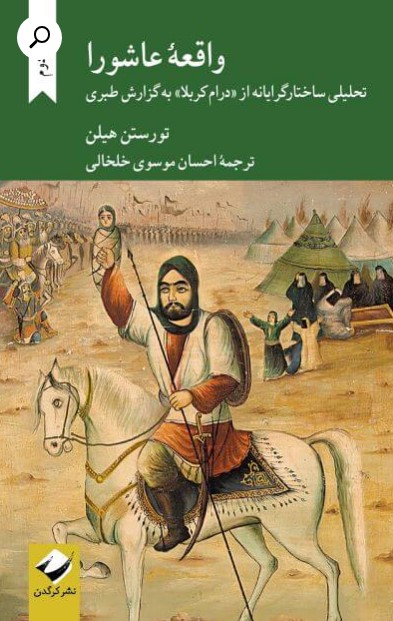
واقعه عاشورا: تحلیلی ساختارگرایانه از درام کربلا به گزارش طبری فارسی 1401
Vāqi'ah 'āshūrāTaḥlīlī-yi sākhtārgarāyānah az dirām-i Karbalā bih guzārish-i Ṭabarī
13٫74 $

اشتراکگذاری
Wishlist
عنوان اصلی:
The event of Ashura
شابک:
9786226420440
مترجم:
Iḥsān Mūsavī Khalkhālī
ناشر:
Kargadan
گروه سنی:
بزرگسال
صفحات:
232
وزن:
260 g
ابعاد:
14 x 21 x 1٫5 cm
جلد کتاب:
شومیز
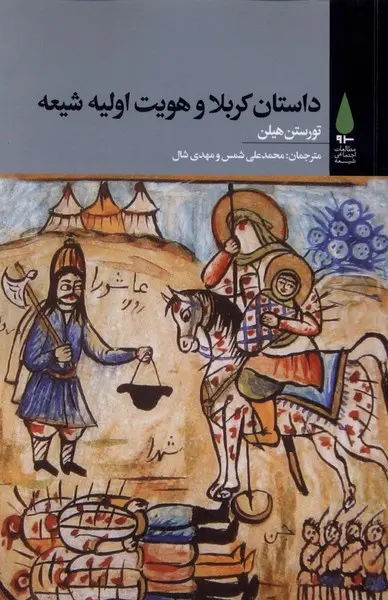
The Ashura Event: A Structuralist Analysis of the Karbala Drama According to al-Ṭabarī by Torsten Hyl is a scholarly study of the narrative of Ashura and its enduring place in the religious and cultural memory of Shiʿi Islam. Starting from the premise that religious narratives with historical foundations and an active role in the lives of believers can be examined through the lens of mythology, the author analyzes the story of Imam al-Ḥusayn’s martyrdom as both a historical account and a symbolic narrative.
Drawing on the account of the Battle of Karbala recorded by the renowned Muslim historian and jurist Muḥammad ibn Jarīr al-Ṭabarī, Hyl applies Claude Lévi-Strauss’s structuralist theory to uncover the underlying patterns of meaning and the binary oppositions embedded within the narrative. Through this approach, he seeks both to deepen our understanding of the Karbala drama in the intellectual and religious context of early Islam and to demonstrate the value of structuralist methodology for the study of historical and religious texts.
Bringing together perspectives from the history of religions, anthropology, Shiʿi studies, and narrative theory, The Ashura Event offers a fresh interpretation of how meaning is constructed within the Karbala narrative and how this foundational story has continued to shape Shiʿi religious culture across the centuries.
more
کتاب «واقعه عاشورا: تحلیلی ساختارگرایانه از درام کربلا به گزارش طبری» نوشته تورستن هیل، پژوهشی دانشگاهی درباره روایت واقعه عاشورا و جایگاه آن در حافظه دینی و فرهنگی شیعیان است. نویسنده با این دیدگاه که روایتهای دینی دارای ریشه تاریخی و نقش فعال در زندگی مومنان را میتوان از منظر اسطورهشناسی بررسی کرد، داستان شهادت امام حسین (ع) را بهعنوان روایتی تاریخی و نمادین تحلیل میکند.
هیل در این اثر، روایت واقعه کربلا را بر اساس گزارش محمد بن جریر طبری، مورخ و فقیه برجسته اسلامی، بررسی کرده و با بهرهگیری از نظریه ساختارگرایی کلود لویاستروس، به تحلیل ساختارهای معنایی و تقابلهای درونی این روایت میپردازد. هدف او، هم فهم عمیقتر جایگاه درام کربلا در اندیشه اسلامی قرون نخستین است و هم بررسی ظرفیتهای روش ساختارگرایی در مطالعه متون و روایتهای تاریخی دینی.
این کتاب اثری میانرشتهای در حوزه تاریخ ادیان، انسانشناسی، مطالعات شیعه و نظریه روایت است و نگاهی تازه به چگونگی شکلگیری معنا و تأثیرگذاری روایت عاشورا در فرهنگ دینی ارایه میدهد.
more