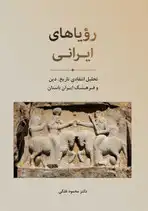


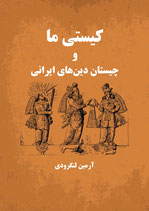
کیستی ما و چیستان دین های ایرانی فارسی 1402
Kīstiīe Mā va Chīstāni Dīnhāyi Īrānī
21٫95 $

اشتراکگذاری
Wishlist
عنوان اصلی:
Kīstiīe Mā va Chīstāni Dīnhāyi Īrānī
شابک:
9783965310858
ناشر:
FOROUGH Publishing
گروه سنی:
بزرگسال
صفحات:
435
وزن:
502 g
ابعاد:
14 x 21 x 1 cm
جلد کتاب:
شومیز
Armin Langroudi’s previous studies on the history of Iranian religions have consistently been carried out through a scientific method grounded in the latest achievements and research in Iranian studies. A close examination of the social history of Iranians, from their earliest appearance on the stage of history, along with an analysis of their beliefs in light of the works of established Iranologists, forms the foundation of the author’s research in religious and historical studies.
For example, in order to explain why the Zoroastrianism became more prominent during the reign of Darius I, he explores the circumstances through which this king came to power, thereby revealing the historical necessity behind this development. Thus, this book is not merely a study of “Iranian beliefs,” but also a broader examination of the contexts in which those beliefs emerged, namely the question of “who the Iranians were.”
Alongside the main focus of his research, the author also seeks, indirectly, to clarify the processes through which systems of thought were formed that later became the groundwork for the Arab religion that came to dominate Iran, namely Islam. A closer understanding of these developments, he argues, sheds light on the why and how of Islam’s emergence and makes its roots easier to grasp.
Here again, the author attempts to make clearer his central view that religions are products of emergence rather than creation, this time with Iranian religions at the center of the discussion. It is a perspective that assigns religions a historical character and, in doing so, strips away the false aura of sacredness woven around them.
more
پژوهشهای تاکنونی آرمین لنگرودی در تاریخ ادیان ایرانی همواره با متدی علمی و مبتنی بر آخرین دستاوردها و پژوهشهای ایرانشناسی انجام یافتهاند. واکاوی ریزبینانه تاریخ اجتماعی ایرانیان از آغاز پدیداریشان بر صحنه تاریخ و همچنین بررسی باورهای آنان با توجه به پژوهشهای ایرانشناسان شناخته شده، زیربنای تحقیقات دینشناسی و تاریخشناسی نویسنده را شکل میدهند. از اینرو – بعنوان نمونه – او برای نشاندادن چرایی برجستهتر شدن دین زرتشتی در زمان داریوش، به چگونگی بهقدرت رسیدن این پادشاه میپردازد، تا ضرورت وقوع این رویداد را نمایان کند. بنابراین، این کتاب تنها یک پژوهش دربارهٔ «باورهای ایرانی» نیست، بلکه مروری بر زمینههای پدیداری آنها، یعنی «کیستی ایرانیان» نیز میباشد. در این کتاب نویسنده در کنار پژوهش اصلیاش، بگونهای جانبی، درپی روشن نمودن پروسهٔ فرمگیری تفکرهایی است که بعدها بر بستر آنها دین عربی حاکم بر ایران شکل گرفت. آشنایی نزدیکتر با این رویدادها ما را به چرایی و چگونگی «برایش» دین اسلام رهنمون و فهم ریشههای آنرا آسانتر میکند. نویسنده در اینجا نیز بار دیگر تلاش کرده دیدگاه خود مبنی بر "برایشی" و نه "آفرینشی" بودن ادیان را، و اینبار با مرکزیت دادن به دینهای ایرانی، روشنتر بهنمایش بگذارد. دیدگاهی که به ادیان یک ویژگی تاریخی میدهد و بدینترتیب آنها را از "تقدس" دروغین بافته شده در پیرامونشان جدا مینماید
more