

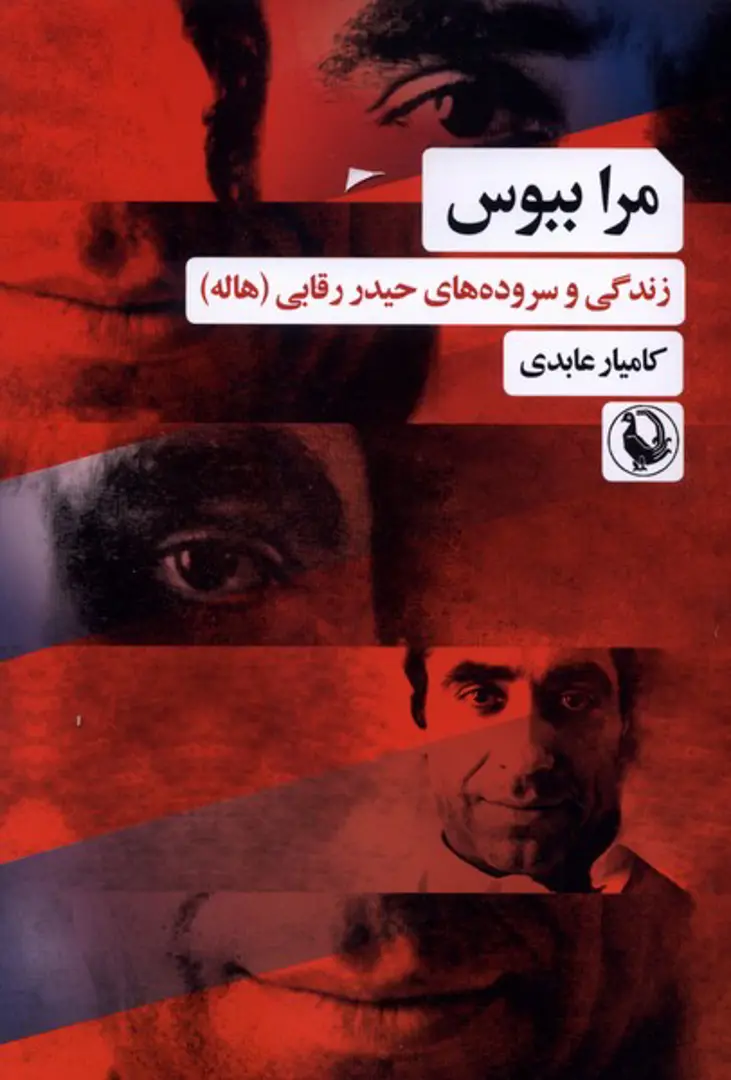
Marā bibūs: Zindigī va Surūdah-hā-yi Ḥaydar Riqābī (Hālah) Persiska (Farsi) 2026
مرا ببوس: زندگی و سروده های حیدر رقابی (هاله)
16,71 $

Dela
Wishlist
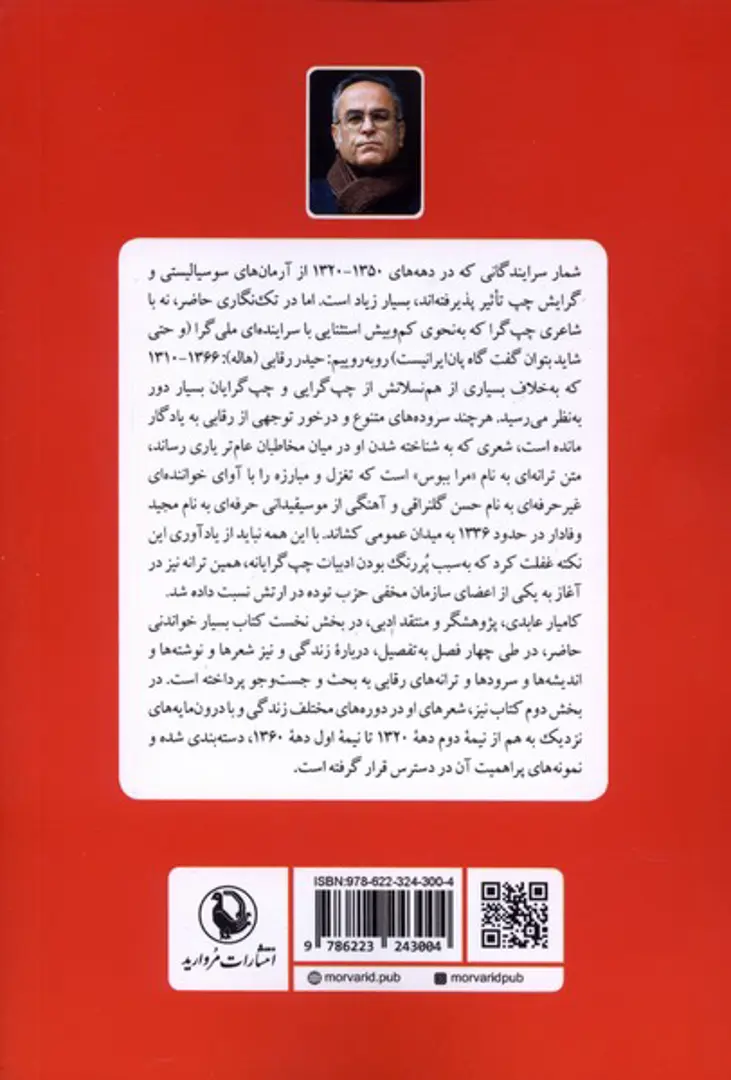
A great many poets writing between the 1940s and the 1970s were influenced by socialist ideals and leftist thought. The subject of this monograph, however, is not a left-wing poet but a figure who stood as a notable exception: Heydar Reghabi (pen name Haleh), a nationalist poet who, at times, might even be described as a Pan-Iranianist, and who remained distinctly removed from the leftist movements embraced by many of his contemporaries.
Although Reghabi left behind a substantial and diverse body of poetry, the work that brought him lasting recognition among the general public was the lyric Mara Beboos (Kiss Me). Set to music by the renowned composer Majid Vafadar and first performed around 1957 by the amateur singer Hassan Golnaraghi, the song combined romance with the spirit of political struggle and became one of the most memorable songs of modern Iran. Owing to the prominence of leftist literature at the time, the lyrics were initially and mistakenly attributed to a member of the clandestine military organization of the Tudeh Party.
In the first part of this highly engaging volume, literary scholar and critic Kamyar Abedi examines Reghabi's life, poetry, prose, ideas, anthems, and song lyrics in detail across four chapters. The second part presents a carefully selected collection of his poems, organized thematically and chronologically, spanning the second half of the 1940s through the first half of the 1980s, and making the most significant examples of his work readily accessible to readers.
more
شمار سرایندگانی که در دهههای 1350-1320 از آرمانهای سوسیالیستی و گرایش چپ تأثیر پذیرفتهاند، بسیار زیاد است. اما در تکنگاری حاضر، نه با شاعری چپگرا، که بهنحوی کموبیش استثنایی با سرایندهای ملیگرا (و حتی شاید بتوان گفت گاه پانایرانیست) روبهروییم: حیدر رقابی (هاله) که بهخلاف بسیاری از همنسلانش از چپگرایی و چپگرایان بسیار دور بهنظر میرسید. هرچند سرودههای متنوع و درخور توجهی از رقابی به یادگار مانده است، شعری که به شناختهشدن او در میان مخاطبان عامتر یاری رساند، متن ترانهای به نام «مرا ببوس» است که تغزل و مبارزه را با آوای خوانندهای غیرحرفهای به نام حسن گلنراقی و آهنگی از موسیقیدانی حرفهای به نام مجید وفادار در حدود 1336 به میدان عمومی کشاند. هرچند نباید از یادآوری این نکته غفلت کرد که بهسبب پررنگ بودن ادبیات چپگرایانه، همین ترانه نیز در آغاز به یکی از اعضای سازمان مخفی حزب توده در ارتش نسبت داده شد. کامیار عابدی، پژوهشگر و منتقد ادبی، در بخش نخست کتاب بسیار خواندنی حاضر، در طی چهار فصل بهتفصیل، دربارهی زندگی و نیز شعرها و نوشتهها و اندیشهها و سرودها و ترانههای رقابی به بحث و جستوجو پرداخته است. در بخش دوم کتاب نیز، شعرهای او در دورههای مختلف زندگی و با درونمایههای نزدیک به هم از نیمهی دوم دههی 1320 تا نیمهی اول دههی 1360، دستهبندی شده و نمونههای پراهمیت آن در دسترس قرار گرفته است.
more