

Yūtūpiyā va dīstūpiyā dar Īrān-i muʿāṣir Persiska (Farsi) 2025
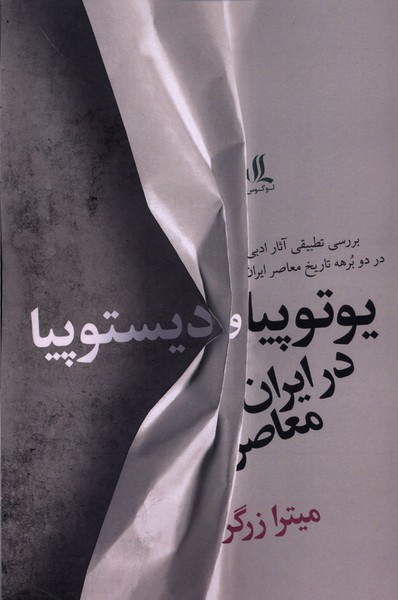
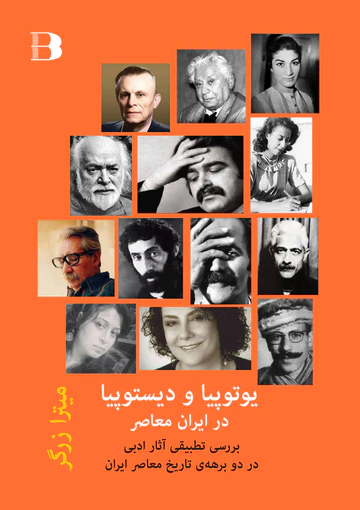
یوتوپیا و دیستوپیا در ایران معاصر: بررسی تطبیفی آثار ادبی در دو برههی تاریخ معاصر ایران
20,08 $

Dela
Wishlist
ISBN:
9789188653680
Förlag:
Baran Publication
Åldersgrupp:
Vuxen
Sidor:
358
Vikt:
416 g
Produktmått:
14 x 21 x 2 cm
Bokomslag:
Pocketbok
An examination of the works of cultural intellectuals across two historical periods, 1961–1991, as an era in which idealistic perspectives formed the dominant spirit of society, and 1991–2021, in which non-idealistic and even anti-idealistic discourses gradually replaced idealistic ones, provides compelling evidence of the differences in the prevailing outlooks that shaped the intellectual and cultural elites of these two periods.
It should be noted, however, that it is impossible to determine with certainty an exact and fixed date for the beginning and end of the dominance of idealistic thought, if indeed one can speak of an “end” at all. Idealism was a phenomenon that gradually emerged in response to the conditions of its time and through the many small and large transformations that took place within society. Over time, it came to dominate the collective spirit of that society, only later entering a period of decline as external and internal conditions changed and new social currents began to take shape.
more
بررسی آثار نخبگان فرهنگی در دو برههی زمانی 1340 تا1370، بهعنوان برههای که نگرشهای آرمانگرایانه روح غالب جامعه بوده و برههی زمانی 1370 تا 1400، که گفتمانهای غیر آرمانگرایانه و حتی آرمانگریزانه تدریجاً جایگزین گفتمانهای آرمانگرایانه میشود، شواهد متقنی از وجود تفاوت در نگرشهای حاکم بر فضای روشنفکری و نخبگان فکری این دو دوره را به دست میدهد. ناگفته نماند که ما بهطور قطع قادر به تعیین تاریخ دقیق و مشخصی برای آغاز و پایان استیلای اندیشههای آرمانخواهانه (که اساساً اگر بتوان از پایانی نام برد) نیستیم. آرمانخواهی پدیدهای بود که بنا به شرایط آن عصر و از پس تغییر و تحولات خرد و کلانی که در جامعه رخ داد، بهتدریج در این جامعه شکل گرفت و کمکم به شکل روح غالب جمعی بر جامعه مستولی شد و سپس با دگرگون شدن شرایط بیرونی و داخلی و شکلگیری روندهای جدید در جامعه، به دورهی افول خود رسید.
میترا زرگر دانشآموخته جامعهشناختی است و دکترای خود را با پایاننامهای در حوزه جامعهشناسی توسعه و زنان اخذ کرده است. این نویسنده، علاوه بر سابقه تدریس در دانشگاههای آزاد و پیام نور خوزستان، همچنین به مدت چند سال به عنوان استاد مدعو در دانشگاه ایالتی نیویورک- آلبانی مشغول به کار بوده است. حوزههای پژوهشی مورد علاقه او تغییرات اجتماعی، جنبشهای اجتماعی، توسعه اقتصادی- اجتماعی و زنان است. از میترا زرگر همچنین دو کتاب «آرمانگرایی و آرمان گریزی در ایران معاصر»، درباره ساخت قدرت، جنبشها و جریانات سیاسی - اجتماعی، و «از نسل باورمند تا سرکش»، دگردیسی ارزشها و هنجارها در ایران معاصر، توسط نشر باران در سوید منتشر شده است.
more