

ʻAṣr-i tīrīgī-yi farhang-i Īrān: Khvīshtan-i nākhvīsh-āgāh Persiska (Farsi) 2026
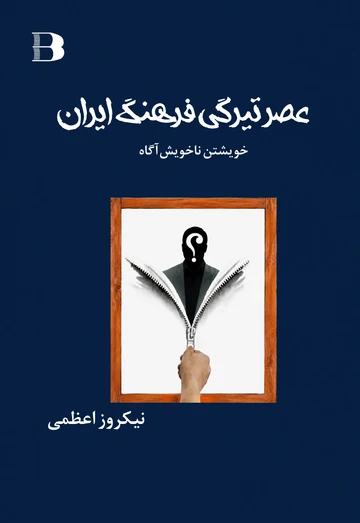
عصر تیرگی فرهنگ ایران: خویشتن ناخویش آگاه
19,09 $

Dela
Wishlist
Originaltitel:
عصر تیرگی فرهنگ ایران: خویشتن ناخویشآگاه
ISBN:
9789188653819
Förlag:
Baran Publication
Åldersgrupp:
Vuxen
Sidor:
243
Vikt:
278 g
Produktmått:
14 x 21 x 1
,
5 cm
Bokomslag:
Pocketbok

Diaspora
“The Age of Cultural Darkness in Iran: The Unconscious Self-Absence” by Nikrouz Azami is a critical study of Iranian cultural and intellectual history, examining the roots of several historical, social, and political crises within Iranian society. Following the author’s previous work, “Reason and Tradition”, this book is organized into three sections that explore the myth of the “Golden Age of Iranian Culture,” the cultural and intellectual origins of the 1979 Iranian Revolution, and the concepts of revolution and counterrevolution.
In this work, Azami introduces the concept of the “unconscious self-absence” to describe a condition in which a society loses the ability to critically understand its own historical and cultural identity. Through a critical examination of dominant approaches to historiography, religious intellectual thought, and ideological interpretations, the author emphasizes the necessity of an independent and non-ideological reassessment of historical events.
By analyzing three major periods in Iran’s cultural and modern history, including the formation of Islamic traditions in Iran after the Sasanian period, the Constitutional Revolution, and the 1979 Revolution, the book explores the relationship between tradition, modernity, freedom, religion, and political thought. Azami argues that a genuine understanding of the past is essential for social transformation and the development of independent critical thinking.
“The Age of Cultural Darkness in Iran: The Unconscious Self-Absence” is a work in the fields of intellectual history, cultural criticism, and historical sociology. Through questions about historical memory, cultural identity, and the formation of social awareness, the book invites readers to reconsider Iran’s historical trajectory and reflect on the forces that have shaped its collective consciousness.
more
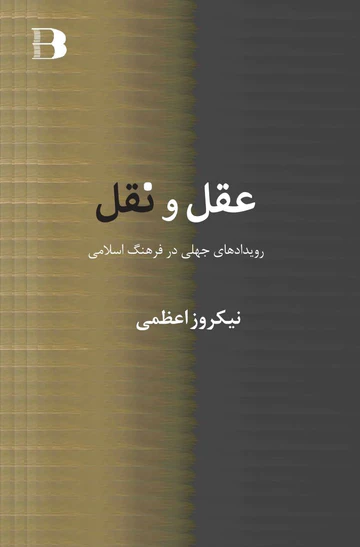
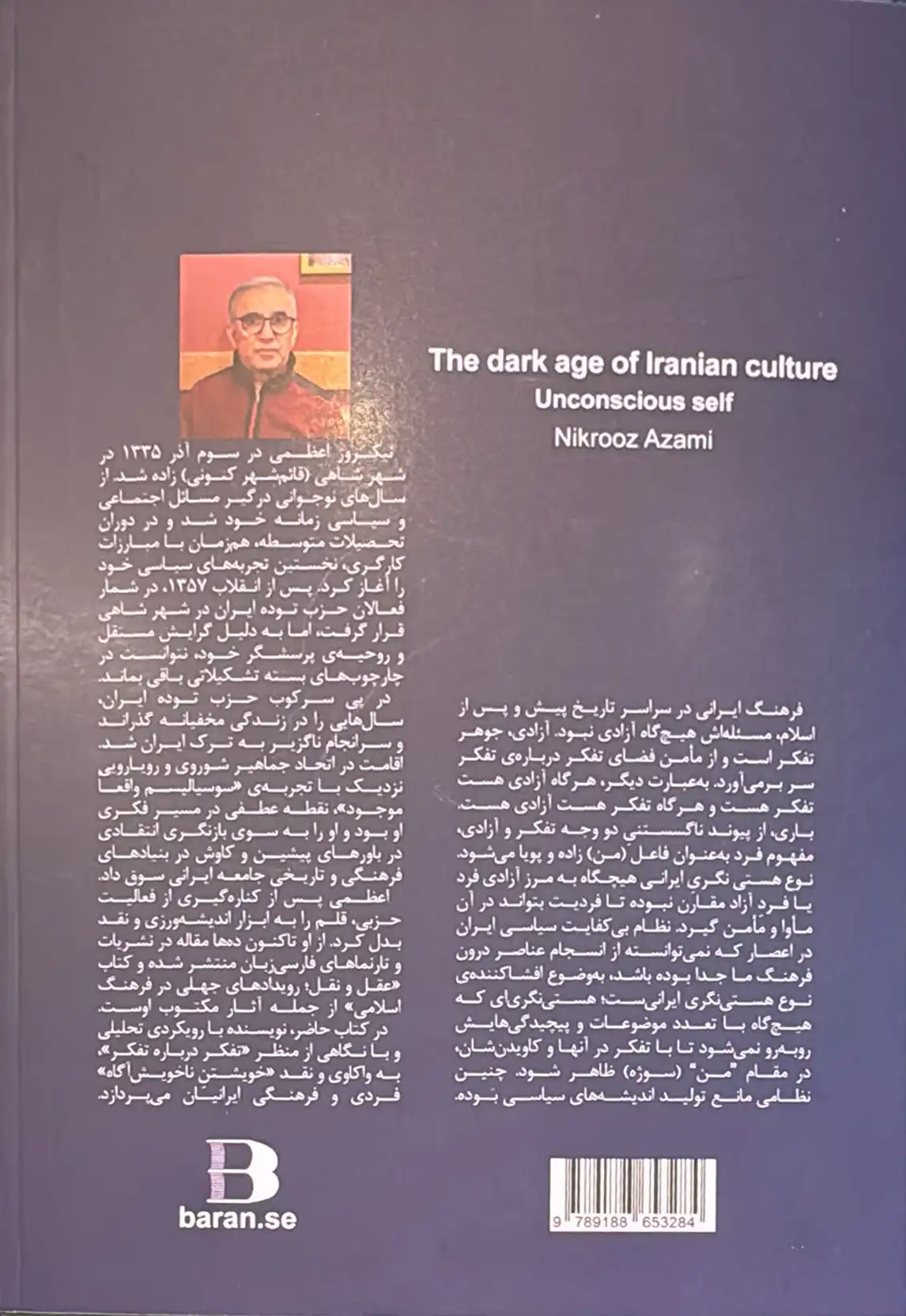
«عصر تیرگی فرهنگ ایران: خویشتن ناخویشآگاه» اثر نیکروز اعظمی پژوهشی انتقادی دربارهی تاریخ فرهنگی و فکری ایران و بررسی ریشههای برخی بحرانهای تاریخی، اجتماعی و سیاسی جامعهی ایرانی است. این کتاب در ادامهی اثر پیشین نویسنده، «عقل و نقل»، نوشته شده و در سه دفتر به بررسی افسانهی «عصر زرین فرهنگ ایران»، خاستگاههای فرهنگی و فکری انقلاب 1357 و مفهوم انقلاب و ضدانقلاب میپردازد.
اعظمی در این اثر مفهوم «خویشتن ناخویشآگاه» را برای توضیح وضعیتی به کار میبرد که در آن جامعه از شناخت انتقادی نسبت به هویت تاریخی و فرهنگی خود بازمیماند. او با نگاهی انتقادی به شیوههای رایج تاریخنگاری، روشنفکری دینی و قرایتهای ایدیولوژیک، بر ضرورت بازخوانی مستقل و غیرایدیولوژیک رویدادهای تاریخی تأکید میکند.
کتاب با بررسی سه دورهی مهم در تاریخ معاصر و فرهنگی ایران، یعنی شکلگیری سنت اسلامی در ایران پس از ساسانیان، جنبش مشروطه و انقلاب 1357، به تحلیل نسبت میان سنت، مدرنیته، آزادی، دین و اندیشهی سیاسی میپردازد. نویسنده بر این باور است که فهم دقیق گذشته، شرط امکان دگرگونی اجتماعی و شکلگیری تفکر مستقل است.
«عصر تیرگی فرهنگ ایران: خویشتن ناخویشآگاه» اثری در حوزهی تاریخ اندیشه، نقد فرهنگی و جامعهشناسی تاریخی است که میکوشد با طرح پرسشهایی دربارهی حافظهی تاریخی، هویت فرهنگی و سازوکارهای شکلگیری آگاهی اجتماعی، خواننده را به بازاندیشی دربارهی مسیر تاریخی ایران دعوت کند.
(توجه: درصفحه 187 در سطر دوم ، نام شیخ فضل الله نوری، به اشتباه در تنظیم به اشتباه شیخ محمد خیابانی درج شده & و همچین در صفحه 239، بجای شوم ، مشموم آمده. نیکزاد اعظمی.)
more