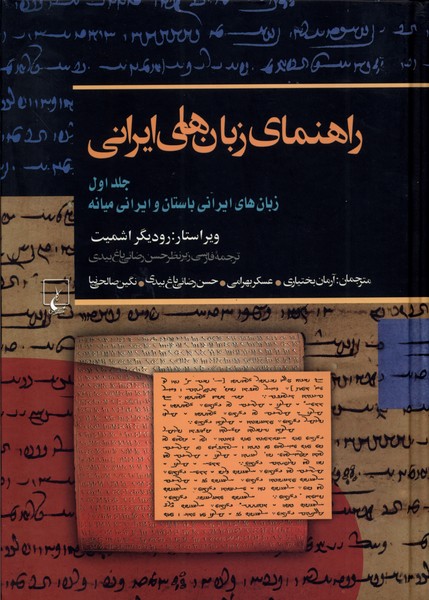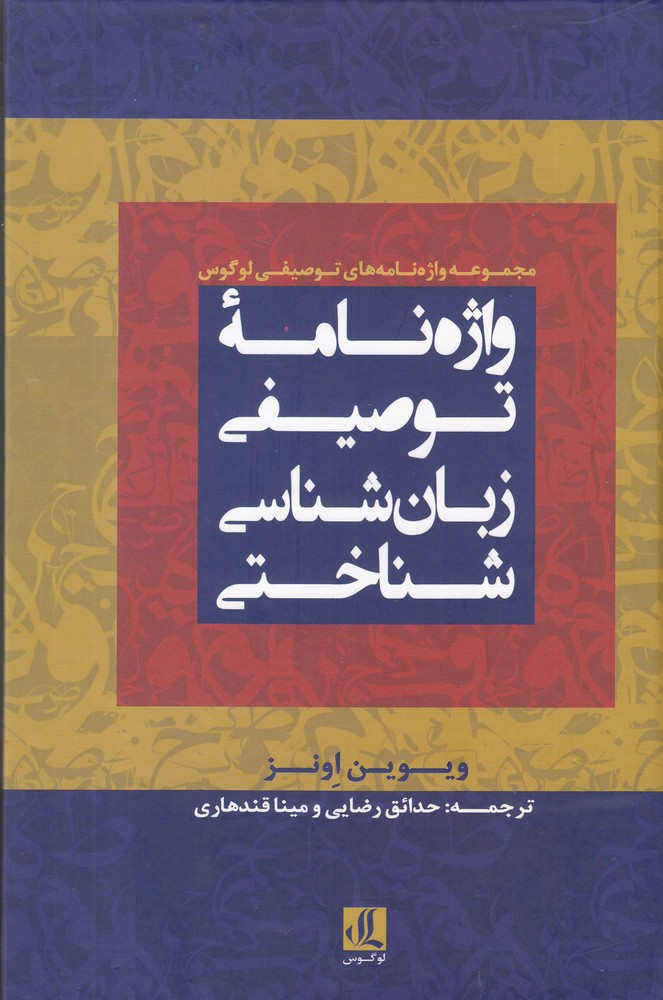


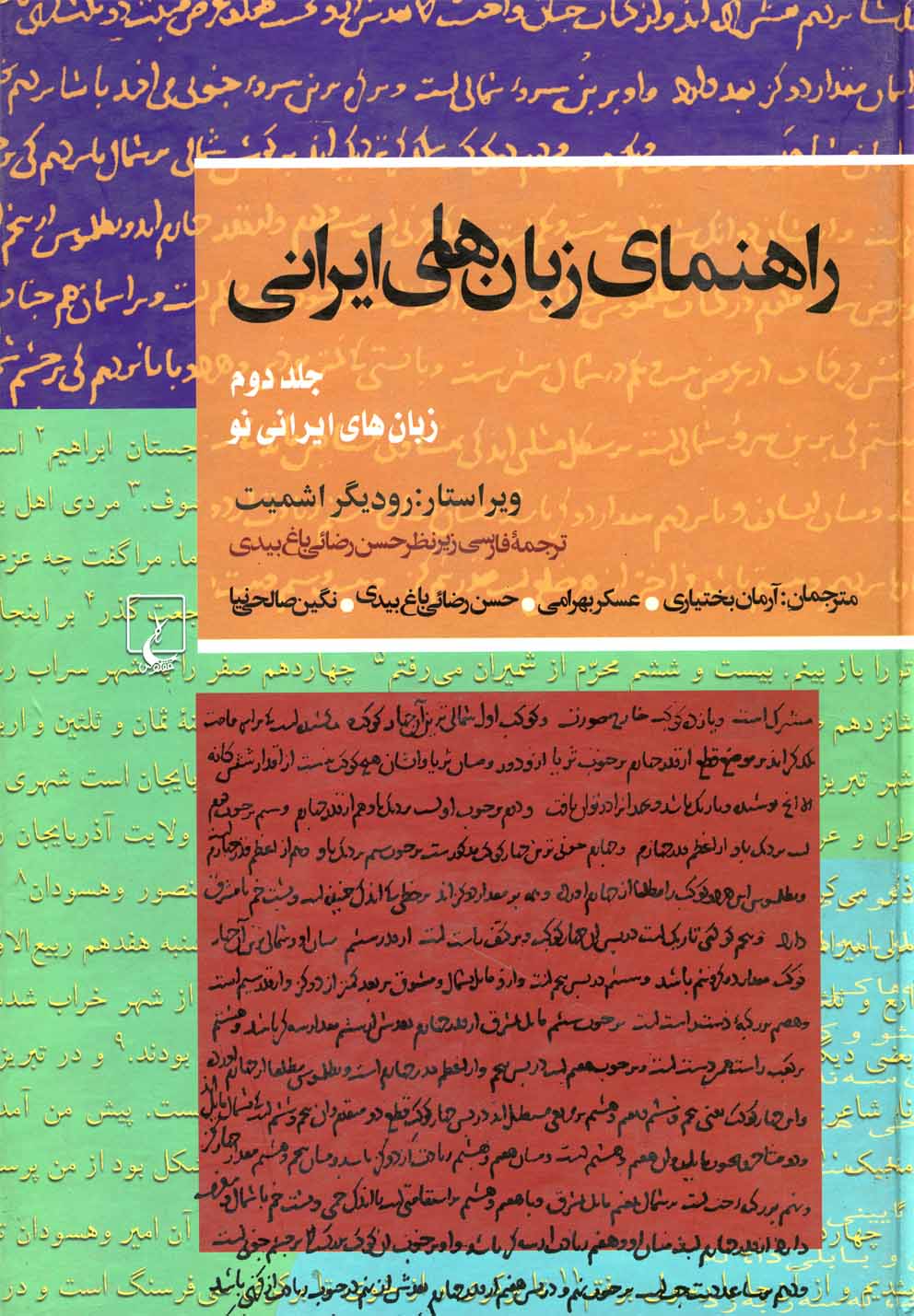
Rāhnamā-yi Zabān'hā-yi Īrānī: jild-i 2: Zabān'hā-yi Īrānī-yi Naw Persiska (Farsi) 2020
راهنمای زبانهای ایرانی: جلد 2: زبانهای ایرانی نو
26,36 $

Dela
Wishlist
Originaltitel:
Compendium Linguarum Iranicarum
ISBN:
9789643113902
Översättare:
Various Translators
Förlag:
Quqnus
ReadingOrder:
2
Åldersgrupp:
Vuxen
Sidor:
495
Vikt:
431 g
Produktmått:
18 x 25 x 5 cm
Bokomslag:
Inbunden
Ämnen:
The book Compendium Linguarum Iranicarum, edited by the distinguished German Iranologist Rüdiger Schmitt, is a comprehensive and authoritative reference work in the field of Iranian linguistics. First published in 1989 in Wiesbaden, it continues to be regarded as a standard and reliable source in Iranian studies.
The New Iranian languages are concentrated primarily in Iran and Afghanistan. Representatives of these languages can also be found in Iraq, Syria, Turkey, the former Soviet regions (including the Caucasus, Central Asia, and the Pamirs), Chinese Turkestan, the Indian subcontinent, and along the Arab-inhabited shores of the Persian Gulf. Geographically, therefore, the New Iranian languages cover an area roughly comparable in extent to that of the Indo-Aryan languages. In terms of number of speakers, however, there is no such parity; the New Iranian languages together account for approximately 55 million speakers.
From a historical perspective, the designation “New Iranian,” like any term used to define a linguistic period, is determined sociolinguistically, with emphasis on the dominant language or languages of the era. In the case of New Iranian, the collapse of the Sasanian Empire in the seventh century CE and the subsequent Islamization of Iranian-speaking regions created the conditions for the emergence of New Persian as the culturally dominant language out of a complex constellation of several languages.
Emphasizing historical continuity, structural diversity, and interdisciplinary methodology, this work offers a clear account of the position of the Iranian languages within the Indo-European family. Compendium Linguarum Iranicarum is an essential resource for students and scholars of linguistics, Iranian studies, and historical research, building a bridge between ancient inscriptions and living modern languages. The second volume of the series is devoted specifically to the New Iranian languages.
more
کتاب «راهنمای زبانهای ایرانی» به ویراستاری ایرانشناس برجسته آلمانی رودیگر اشمیت، اثری مرجع و جامع در حوزه زبانشناسی ایرانی است که سیر تحول زبانهای ایرانی را از کهنترین دورهها تا دورههای میانه بررسی میکند. این اثر که نخستینبار در سال 1989 در ویسبادن منتشر شد، همچنان یکی از منابع استاندارد و معتبر در مطالعات ایرانشناسی به شمار میآید.
زبانهای ایرانی نو در ایران و افغانستان متمرکزند. نمایندگانی از این زبانها را در عرازز، سوریه ترکیه، اتحاد شوروی (قفقاز، آسیای مرکزی، پامیر) ترکستان چین، شبه قاره هند و در کرانههای عربنشین خلیجفارس، هم میتوان یافت. بدین ترتیب زبانهای ایرانی نو، از نظر جغرافیایی ناحیهای تقریباً به همان اندازه گستره زبانهای هندو آریایی را دربر میگیرند، هر چند از نظر شمار گویشوران مشابهتی در میان نیست و زبانهای ایرانی نو تقریباً 55 میلیون گویشور دارند. به لحاظ تاریخی، ایرانی نو، مانند هر اصطلاحی که برای تعریف یک دوره زبانی بهکار میرود، از منظر جامعهشناسی زبان با تأکید بر زبان یا زبانهای غالب تعیین میشود. در مورد ایرانی نو، فروپاشی شاهنشاهی ساسانی در سده هفتم میلادی و سدههای بعدی اسلامی شدن نواحی ایرانی زبان، زمینه پیدایی فارسی نو را به عنوان زبان جدید غالب از لحاظ فرهنگی از میان مجموعه پیچیدهای از چند زبان فراهم آورد.
این اثر با تأکید بر تداوم تاریخی، تنوع ساختاری و روششناسی میانرشتهای، تصویری روشن از جایگاه زبانهای ایرانی در خانواده هندواروپایی ارایه میدهد. «راهنمای زبانهای ایرانی» منبعی ضروری برای دانشجویان و پژوهشگران زبانشناسی، ایرانشناسی و مطالعات تاریخی است و پلی میان کتیبههای باستانی و زبانهای زنده امروزی برقرار میکند. جلد دوم این مجموعه ه زبانهای ایرانی نو میپردازد.
more