

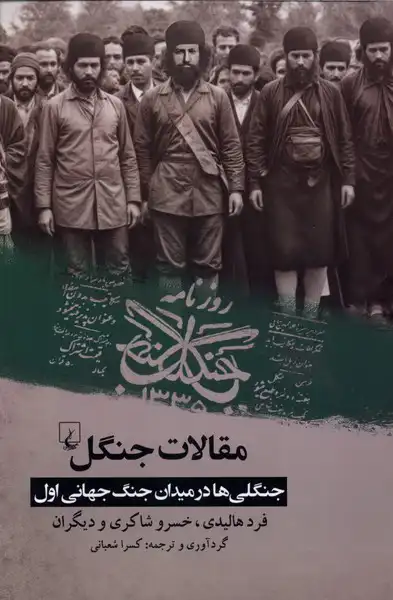
Maqālāt-e Jangal: Jangalī-hā dar meydān-e jang-e jahānī-ye avval Persiska (Farsi) 2026
مقالات جنگل: جنگلیها در میدان جنگ جهانی اول
27,71 $

Dela
Wishlist
Originaltitel:
مقالات جنگل: جنگلیها در میدان جنگ جهانی اول
ISBN:
9786220405603
Översättare:
Kasrā Sha‘bānī
Förlag:
Quqnus
Åldersgrupp:
Vuxen
Sidor:
472
Vikt:
600 g
Produktmått:
14 x 21 x 2
,
5 cm
Bokomslag:
Pocketbok
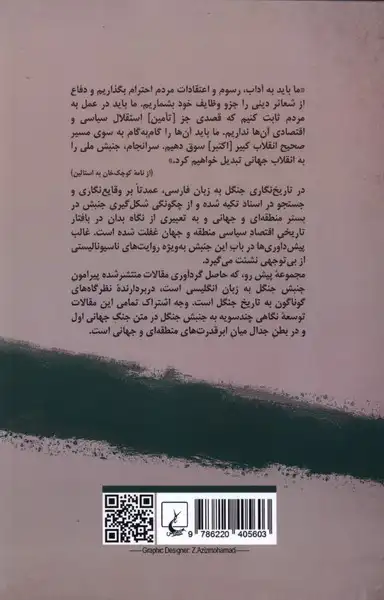
More than a hundred years have passed since the death of Mirza Kuchik Khan, yet scholars continue to investigate the historical questions surrounding him and the Jangal Movement. The turbulent decade of the 1910s (1290s in the Iranian calendar), the cosmopolitan atmosphere prevailing in northern Iran at the time, and the diverse domestic and foreign forces active in that period raise numerous questions for historians and social scientists.
What was the relationship between Mirza and the Jangal Movement and the Pan-Islamic movement, which had taken shape through the efforts of Jamal al-Din al-Afghani in the Ottoman Empire? Which social and intellectual groups were active within the Jangal Movement? What connections did Mirza maintain with Tsarist Russia, Lenin’s communist government, and the various communist groups of the time based in Anzali and Baku? During the First World War, was the Jangal Movement aligned with Germany and the Ottoman Empire? What was the relationship between the movement and the Armenians who, during the 1910s, were being persecuted by the Ottoman Empire? What were the aims of the republican regime established in May 1920 (Ordibehesht 1299) by Mirza and his comrades in cooperation with the communists, and how did it relate to the central government of Iran? What role did contemporary peasant movements play in the Jangal uprising?
The book Maqālāt-e Jangal (Articles on the Jangal Movement) addresses precisely these questions. Kasra Shabani has compiled eighteen diverse writings and organized them into five sections. Fourteen of the essays are authored by well-known specialists in the field (including Kian Neshad, Fred Halliday, Khosrow Shakeri, and others) and examine various aspects of the Jangal Movement. Four additional texts are written by prominent British military figures who passed through northern Iran during the period of the movement and recorded their observations and memoirs of the region’s conditions.
Readers interested in the history of the Jangal Movement and modern Iranian history will find this volume both informative and rewarding.
more
حدود صد سال از درگذشت میرزا کوچک خان جنگلی گذشته است، اما محققان هنوز درباره پرسشهای تاریخی مربوط به میرزا و نهضت جنگل کندوکاو میکنند. زمانه پرآشوب دهه 1290، فضای جهان وطنانه حاکم بر شمال ایران در آن سالها و نیروهای داخلی و خارجی متکثر فعال در آن برهه پرسشهای متعددی را پیش روی عالمان تاریخ و علوم اجتماعی میگذارند. نسبت میرزا و نهضت جنگل با نهضت اتحاد اسلام، که با تلاشهای جمالالدین اسدآبادی در امپراتوری عثمانی شکل گرفته بود، چه بود؟ در نهضت جنگل کدام گروههای اجتماعی و فکری فعال بودند؟ میرزا با نیروهای روسیه تزاری، دولت کمونیستی لنین و گروههای کمونیستی گوناگون آن سالها، که در انزلی و باکو متمرکز بودند، چه رابطهای داشت؟ آیا نهضت جنگل، که بخشی از فعالیتش با جنگ جهانی اول مقارن بود، با آلمان و عثمانی متحد بود؟ ارمنیها که در دهه 1910 تحت پیگرد امپراتوری عثمانی بودند چه نسبتی با جنبش جنگل داشتند؟ آن نظام جمهوری که میرزا و یارانش پس از اردیبهشت 1299 با همکاری کمونیستها تشکیل دادند چه اهدافی داشت و با دولت مرکزی ایران چه رابطهای داشت؟ جنبشهای دهقانی آن سالها در نهضت جنگل چه نقشی ایفا میکردند؟ و … کتاب مقالات جنگل با همین پرسشها سروکار دارد. کسری شعبانی هجده مکتوب متنوع را گردآوری کرده و آنها را در قالب پنج بخش سامان داده است. چهارده مکتوب به قلم متخصصان نامآشنای این حوزه (کیهان نژاد، فرد هالیدی، خسرو شاکری و دیگران) نوشته شدهاند و به پرسشهای گوناگون مرتبط با نهضت جنگل میپردازند. چهار مکتوب هم به قلم برخی از نیروهای نظامی مشهور بریتانیا هستند که در دوره نهضت جنگل از شمال ایران گذشته و خاطرات خود از اوضاع و احوال خطه شمال را به رشته تحریر کشیدهاند. علاقهمندان به سرگذشت نهضت جنگل و تاریخ معاصر از این کتاب خواندنی بهره وافر خواهند برد.
more