

Bīrūn-i dar Persiska (Farsi) 2019
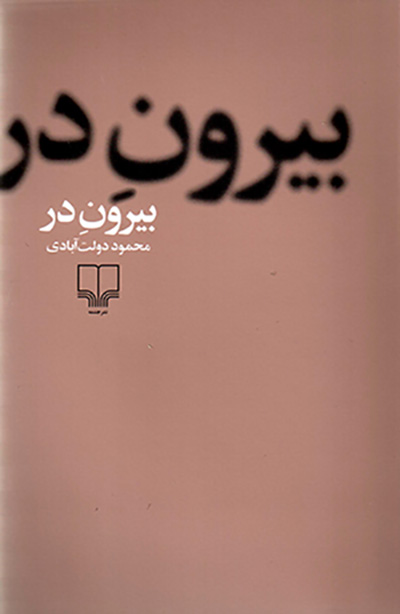
بیرون در
21,55 $

Dela
Wishlist
“Beyrun-e Dar (Outside the Door)” is a novel by Mahmoud Dowlatabadi, one of the most prominent contemporary Iranian writers. The novel presents a distinctive narrative centered on the life of a woman named Afaq, who lives in Tehran during her mid-twenties in the years before the Iranian Revolution. The main focus of the story is Afaq’s search for a man whom she has seen only once; the question of why this encounter happened and what it means becomes the central thread of the narrative.
In this work, unlike more direct forms of storytelling, Dowlatabadi develops the characters and the atmosphere of the novel through signs, behaviors, and relationships among individuals. The various characters are not introduced explicitly; rather, the reader gradually gains a deeper understanding of them and the world of the story through their actions and interactions.
One of the remarkable features of “Beyrun-e Dar” is the author’s precise creation of atmosphere and his use of environmental details. Objects, houses, and surrounding spaces in the novel serve a role beyond simple description; they contribute to conveying emotions, the inner states of the characters, and the social atmosphere of the story.
The novel’s fast-paced narration, energetic rhythm, and distinctive structure are among its other notable characteristics, drawing the reader continuously into the unfolding events. However, the shifts in narrative perspective, from first person to third person in certain sections, have also been among the elements discussed in literary criticism of the work.
“Beyrun-e Dar” is a story of search, memory, human relationships, and the social atmosphere of Tehran in the years before the Revolution. Through Mahmoud Dowlatabadi’s unique language and narrative style, the novel invites readers to gradually discover the hidden layers of its story.
more
«بیرون در» رمانی از محمود دولتآبادی، نویسنده برجستهی ادبیات معاصر ایران، است که با روایتی متفاوت به زندگی زنی به نام آفاق میپردازد؛ زنی که در اواسط دههی سوم زندگی خود و در سالهای پیش از انقلاب، در شهر تهران زندگی میکند. محور اصلی داستان جستوجوی آفاق برای یافتن مردی است که تنها یکبار او را دیده و پرسشی اساسی دربارهی دلیل و معنای این دیدار، مسیر روایت را شکل میدهد.
دولتآبادی در این اثر، برخلاف روایتهای مستقیم، شخصیتها و فضای داستان را از طریق نشانهها، رفتارها و روابط میان آدمها شکل میدهد. شخصیتهای متعدد رمان بهصورت مستقیم معرفی نمیشوند، بلکه خواننده بهتدریج و از خلال کنشها و تعاملات آنها با یکدیگر، به شناختی عمیقتر از جهان داستان دست مییابد.
یکی از ویژگیهای برجستهی «بیرون در»، فضاسازی دقیق و استفادهی نویسنده از جزییات محیطی است. اشیا، خانهها و فضاهای پیرامونی در این رمان نقشی فراتر از توصیف ساده دارند و به انتقال احساسات، حالات درونی شخصیتها و فضای اجتماعی داستان کمک میکنند.
روایت پرشتاب، ریتم تند و ساختار متفاوت داستان از دیگر ویژگیهای این اثر است؛ بهگونهای که خواننده را بدون وقفه در جریان اتفاقات قرار میدهد. با این حال، تغییر زاویهی دید از اول شخص به سوم شخص در بخشهایی از رمان، از جمله مواردی است که در نقدهای مربوط به کتاب مورد توجه قرار گرفته است.
«بیرون در» روایتی از جستوجو، خاطره، روابط انسانی و فضای اجتماعی تهران در سالهای پیش از انقلاب است؛ اثری که با زبان و شیوهی روایت ویژهی محمود دولتآبادی، خواننده را به کشف تدریجی لایههای پنهان داستان دعوت میکند.
more