

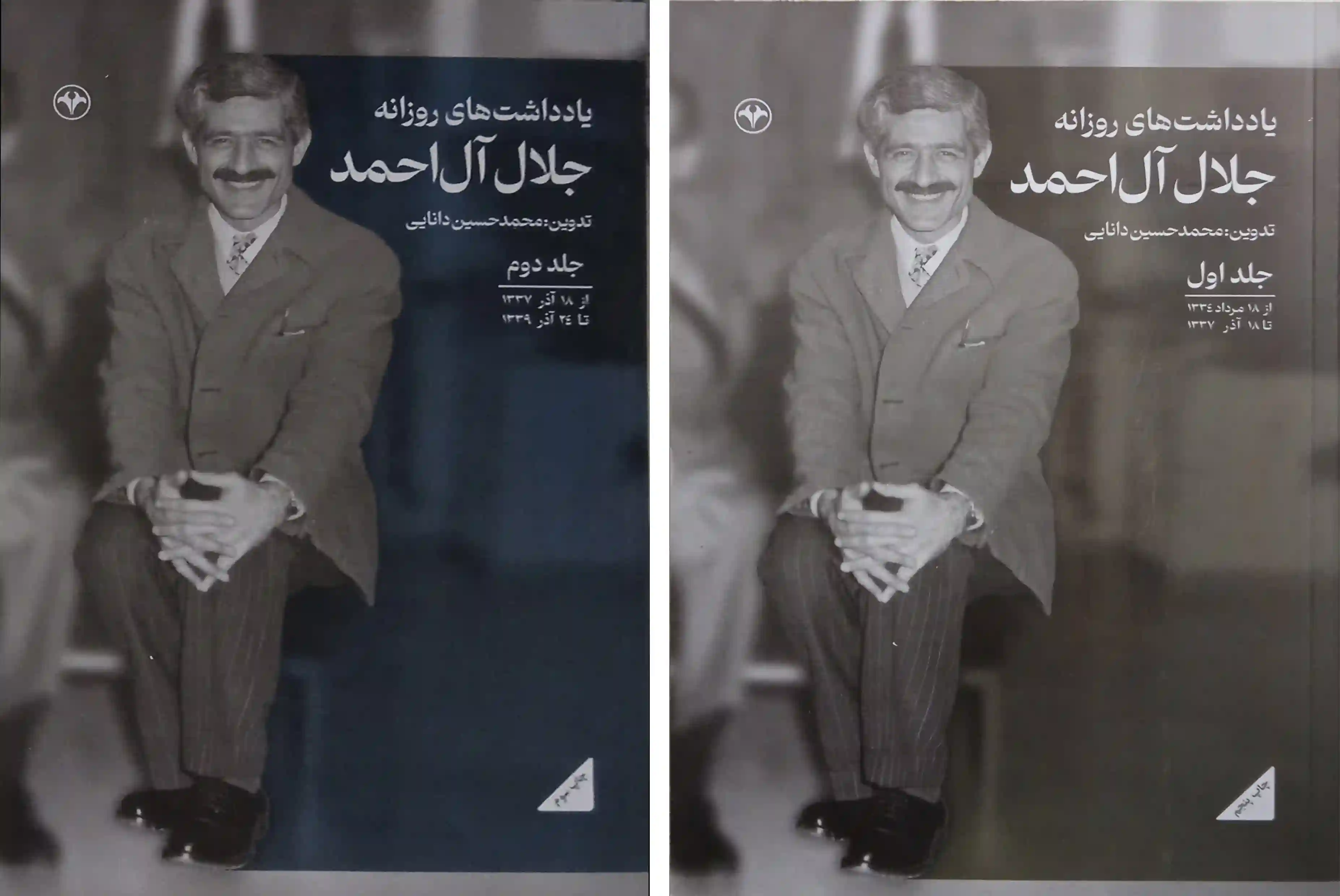
یادداشتهای روزانه جلال آلاحمد الفارسية 1446
Yāddāsht'hā-yi Rūzānah-yi Jalāl-i Āl-i Aḥmad
36٫34 $

مشاركة
Wishlist
العنوان الأصلي:
یادداشتهای روزانه جلال آلاحمد
ISBN رقم:
9786004352154
المحرر:
Muḥammad Ḥusayn Dānāyī
الناشر:
Ittila'at
عدد المجلدات:
2
ReadingOrder:
1-2
الفئة العمرية:
البالغون
الصفحات:
992
الوزن:
1072 g
أبعاد المنتج:
18 x 25 x 8 cm
غلاف الكتاب:
غلاف ورقی
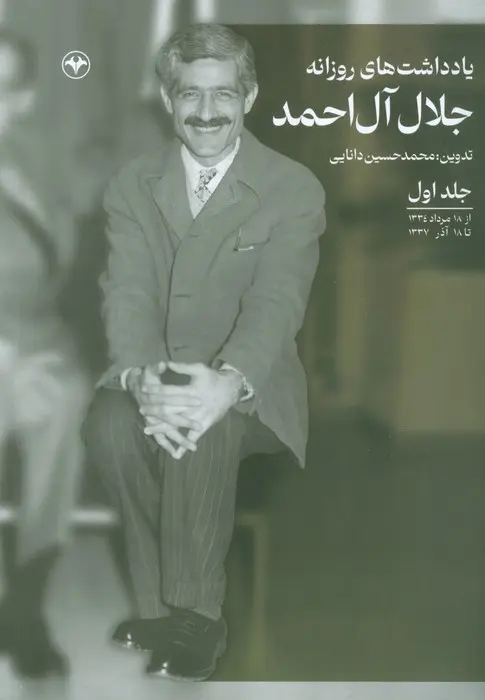
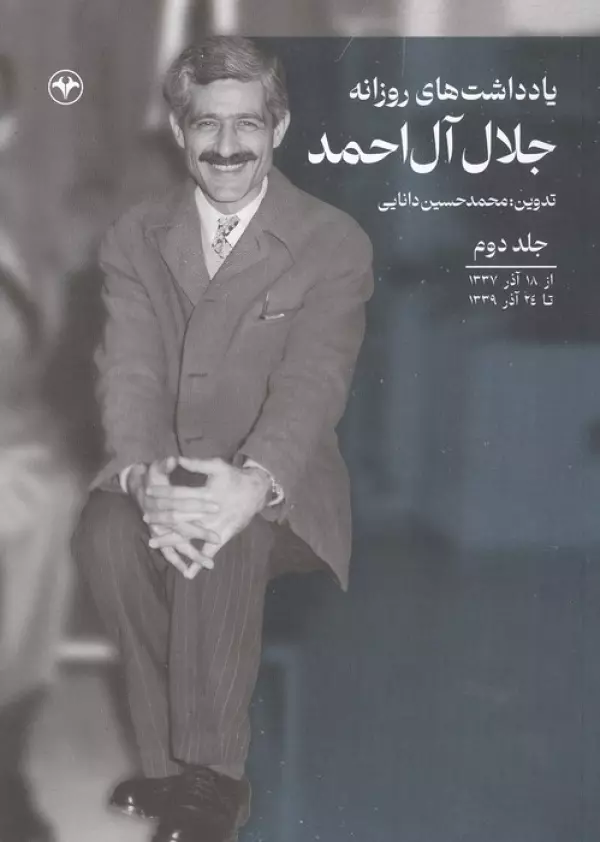
“The Diaries of Jalal Al-e Ahmad” is a collection of personal, social, and cultural notes by one of the most influential Iranian writers and intellectuals of the contemporary era. The first volume includes Al-e Ahmad’s diary entries from 10 August 1955 to 9 December 1958, a period in which, alongside recording his daily experiences, he critically reflected on Iran’s cultural, social, and intellectual environment.
These diaries are more than personal memoirs; they serve as a valuable document of the literary and cultural atmosphere of the mid-twentieth century in Iran. In his notes, Al-e Ahmad discusses relationships among writers and intellectuals, the condition of cultural institutions, artistic activities, and the social dynamics of his time. With a direct and sometimes sharp style, he expresses his views on society, culture, and the role of intellectuals.
Through these writings, the personal and intellectual characteristics of Jalal Al-e Ahmad become visible: a sensitive, critical, and engaged writer who regarded his diaries as a space for expressing his thoughts and articulating ideas that were not always voiced elsewhere. For this reason, the work holds not only literary value but also historical and research significance.
Jalal Al-e Ahmad (1923–1969) was an Iranian writer, translator, literary critic, and intellectual who played an important role in Iran’s literary and intellectual movements during the 1960s. He is best known for works such as The School Principal, Westoxication, By the Pen, A Stone on a Grave, and Lost in the Crowd. His concise, powerful, and energetic prose style is one of the defining features of his writing.
“The Diaries of Jalal Al-e Ahmad” provides an intimate portrait of the life, ideas, and concerns of a writer whose works remain an important part of the history of modern Iranian literature and intellectual thought.
more
یادداشتهای روزانه جلال آلاحمد مجموعهای از روزنوشتهای شخصی، اجتماعی و فرهنگی یکی از تأثیرگذارترین نویسندگان و روشنفکران معاصر ایران است. جلد نخست این مجموعه، یادداشتهای آلاحمد را از 18 مرداد 1334 تا 18 آذر 1337 دربر میگیرد؛ دورهای که نویسنده در آن، علاوه بر ثبت تجربههای روزمره، با نگاهی انتقادی به شرایط فرهنگی، اجتماعی و فضای روشنفکری ایران میپردازد.
این یادداشتها تنها خاطرات شخصی نیستند، بلکه سندی از فضای فرهنگی و ادبی دهههای میانی قرن چهاردهم خورشیدی به شمار میآیند. آلاحمد در نوشتههای خود به روابط میان اهل قلم، وضعیت نهادهای فرهنگی، فعالیتهای هنری و مناسبات روشنفکران زمانه میپردازد و با نثری صریح و گاه تند، دیدگاههای خود را درباره جامعه و فرهنگ بیان میکند.
از خلال این روزنوشتها، ویژگیهای شخصیتی و فکری جلال آلاحمد نیز آشکار میشود؛ نویسندهای حساس، منتقد و دغدغهمند که یادداشتهایش را فضایی برای بیان اندیشهها و حرفهای ناگفته خود میدانست. به همین دلیل، این اثر علاوه بر ارزش ادبی، اهمیت تاریخی و پژوهشی نیز دارد.
جلال آلاحمد (1302–1348) نویسنده، مترجم، منتقد ادبی و روشنفکر ایرانی بود که نقش مهمی در جریان ادبی و فکری ایران در دهه 1340 داشت. او با آثاری چون «مدیر مدرسه»، «غربزدگی»، «خسی در میقات» و «سنگی بر گوری» شناخته میشود. نثر فشرده، موجز و پرانرژی او از ویژگیهای برجسته آثارش به شمار میرود.
«یادداشتهای روزانه جلال آلاحمد» تصویری نزدیک از زندگی، اندیشهها و دغدغههای نویسندهای ارایه میدهد که نوشتههایش همچنان بخشی مهم از تاریخ روشنفکری و ادبیات معاصر ایران محسوب میشود.
more