


Tarikh-i asatiriy-i Iran Persiska (Farsi) 1995
تاریخ اساطیری ایران
16,18 $

Dela
Wishlist
Ämnen:
- Historia och geografi > Forntidens historia till cirka 499 > Arkeologi
- Samhällsvetenskap
- Samhällsvetenskap > Sedvänjor, etikett och folklivsforskning
- Samhällsvetenskap > Folklivsforskning (folklore)
- Samhällsvetenskap > Folklivsforskning (folklore) > Folklore / Sagor
- Religion
- Religion > Zoroastrism
- Religion > Religioner som inte anges någon annanstans
- Religion > Religioner som inte anges någon annanstans > Zoroastrianism och forntida persiska religioner
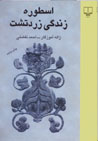
The book The Mythological History of Iran, written by Zhāleh Amoozgar, is an instructional and research-based work in the field of ancient Iranian mythology. Published by SAMT, it has been designed as a university textbook for students of history, ancient cultures and languages, and archaeology. The volume serves in particular as a reliable and systematic reference for courses such as Ancient Iranian History and Iranian Mythology.
In the opening chapter, the author addresses the foundational issues of mythological studies: the definition and nature of myth, its existential function, the purpose of mythological inquiry, and the primary sources of Iranian mythology. This is followed by an introduction to Iranian mythic narratives, outlining the overall structure of mythological accounts and the ancient Iranian conception of cosmic creation.
The book then proceeds in a historical–mythological sequence, recounting successive cosmic eras: from the first three-thousand-year period and the opposition between the realm of light (the domain of Ahura Mazda) and the realm of darkness (the domain of Ahriman), to the confrontation between the forces of good and evil, the material creation of the world, the emergence of the first human couple and their descendants, and the era of the Pishdadian kings. The final chapters examine the events and mythological transformations of the fourth three-thousand-year period.
Written in a clear and pedagogically structured style, The Mythological History of Iran presents a coherent account of the mythic worldview of ancient Iranians and stands as a precise and dependable resource for students and readers interested in the culture and intellectual heritage of ancient Iran.
more
کتاب «تاریخ اساطیری ایران» نوشته دکتر ژاله آموزگار، اثری آموزشی و پژوهشی در حوزه اسطورهشناسی ایران باستان است که از سوی انتشارات سمت منتشر شده و بهعنوان منبع درسی برای دانشجویان رشتههای تاریخ، فرهنگ و زبانهای باستانی و باستانشناسی تدوین شده است. این کتاب بهویژه برای درسهای «تاریخ ایران باستان» و «اساطیر ایران» مرجعی معتبر و منظم به شمار میآید.
نویسنده در فصل نخست، به مباحث بنیادین اسطورهشناسی میپردازد؛ از تعریف و ماهیت اسطوره و دلیل وجودی آن گرفته تا فایده اسطورهشناسی و معرفی منابع اساطیر ایرانی. سپس با پیشدرآمدی بر اساطیر ایران، ساختار کلی روایتهای اسطورهای و آفرینش جهان در نگاه ایرانیان باستان بررسی میشود.
در ادامه، کتاب با نظمی تاریخی–اسطورهای، به روایت دورههای گوناگون کیهانی میپردازد: از سه هزار سال نخستین و تقابل دنیای روشنایی (قلمرو اهورامزدا) و تاریکی (قلمرو اهریمن)، تا برخورد دو نیروی خیر و شر، آفرینش مادی جهان، پیدایش نخستین زوج بشر و فرزندان آنان، و سپس دوران پیشدادیان. در فصلهای پایانی نیز رویدادهای سه هزار سال چهارم و تحولات اسطورهای آن دوره بررسی میشود.
«تاریخ اساطیری ایران» با بیانی روشن و ساختاری آموزشی، تصویری منسجم از جهانبینی اساطیری ایرانیان ارایه میدهد و برای دانشجویان و علاقهمندان به فرهنگ ایران باستان، منبعی دقیق و قابل اعتماد محسوب میشود.
more