

Integral philosophy of aurobindo - hermeneutics and the study of religion Engelska 2018
198,67 $

Dela
Wishlist
ISBN:
9781138347540
Förlag:
Taylor & francis ltd
Sidor:
252
Vikt:
453 g
Produktmått:
16 x 16 x 2 cm
Bokomslag:
Pocketbok
Thema:
- Religion and beliefs
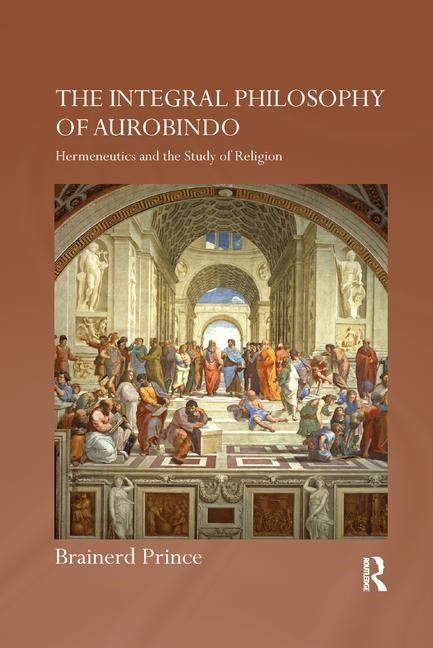
Sri Aurobindo was an Indian nationalist, philosopher, yogi, guru, and poet. This book is an enquiry into the integral philosophy of Aurobindo and its contemporary relevance. It offers a reading of Aurobindo’s key texts by bringing them into conversation with religious studies and the hermeneutical traditions. The central argument is that Aurobindo’s integral philosophy is best understood as a hermeneutical philosophy of religion.
Such an understanding of Aurobindo’s philosophy, offering both substantive and methodological insights for the academic study of religion, subdivides into three interrelated aims. The first is to demonstrate that the power of the Aurobindonian vision lies in its self-conception as a traditionary-hermeneutical enquiry into religion; the second, to draw substantive insights from Aurobindo’s enquiry to envision a way beyond the impasse within the current religious-secular debate in the academic study of religion. Working out of the condition of secularism, the dominant secularists demand the abandonment of the category ‘religion’ and the dismantling of the academic discipline of religious studies. Aurobindo’s integral work on ‘religion’, arising out of the Vedanta tradition, critiques the condition of secularity that undergirds the religious-secular debate. Finally, informed by the hermeneutical tradition and building on the methodological insights from Aurobindo's integral method, the book explores a hermeneutical approach for the study of religion which is dialogical in nature.
This book will be of interest to academics studying Religious Studies, Philosophy of Religion, Continental Hermeneutics, Modern India, Modern Hinduism as well as South Asian Studies.
more
more