

Āyīn-i shahrīyārī dar guftār-i siyāsī-yi Saadi Persiska (Farsi) 2026
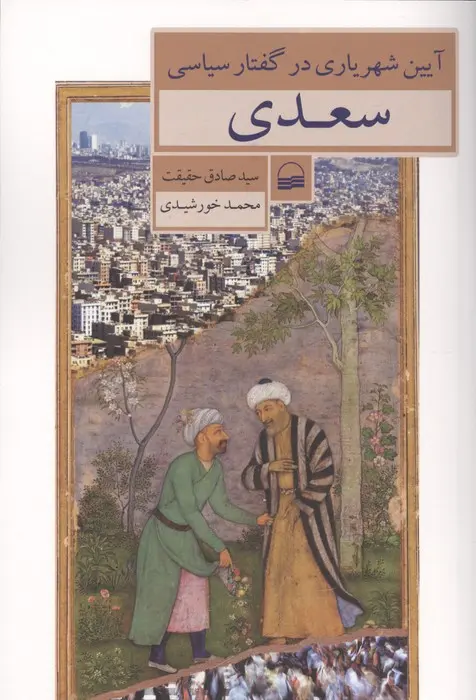
آیین شهریاری در گفتار سیاسی سعدی
21,39 $

Dela
Wishlist
Originaltitel:
آیین شهریاری در گفتار سیاسی سعدی
ISBN:
9789642144396
Åldersgrupp:
Vuxen
Sidor:
292
Vikt:
260 g
Produktmått:
14 x 21 x 2 cm
Bokomslag:
Pocketbok
Persian poetry and verse constitute one of the most significant linguistic domains in the history of Iranian thought, within which political discourse and teachings have been profoundly reflected. Among the prominent figures in the history of Persian literature who sought to versify political teachings, Saadi Shirazi holds a particularly important place. Saadi’s political discourse, shaped in the light of Islamic teachings, presents a distinctive model of kingship and governance.
The present study, motivated by this concern, takes the concept of kingship in Saadi’s political discourse as its central subject and seeks to interpret his thought on the principles of rulership through Quentin Skinner’s intentionalist hermeneutic method. In doing so, it simultaneously considers the intellectual, political, and social contexts alongside the texts of Saadi Shirazi, in order to provide an interpretation of his conception of the art of governance.
more
شعر و نظم فارسی یکی از حوزههای مهم زبانی در تاریخ اندیشه ایرانی است که گفتار و آموزههای سیاسی در آن بازتاب یافتهاند. یکی از چهرههای پراهمیت در تاریخ ادب فارسی که در به نظم آوردن آموزههای سیاسی کوشیده، سعدی است. گفتار سیاسی سعدی در پرتو آموزههای اسلامی شکلی ویژه از آیین شهریاری را به نمایش میگذارد. پژوهش حاضر بر اساس این دغدغه آیین شهریاری در گفتار سیاسی سعدی را موضوع قرار داده و در پی آن است تا بر اساس روش هرمنوتیک قصدگرای اسکینر- با توجه همزمان به زمینههای فکری و سیاسی اجتماعی و متون شیخ اجل، سعدی شیرازی- اندیشه او درباره آیین شهریاری را تفسیر نماید.
more