

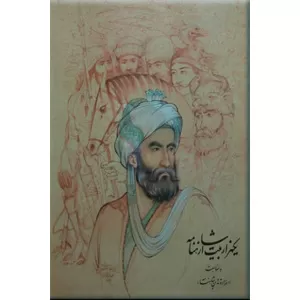
Yekhezār beyt az Shāhnāmeh: be monāsebat-e hezāreh-ye tadwīn-e Shāhnāmeh Persiska (Farsi) 1990
یکهزار بیت از شاهنامه: به مناسبت هزاره تدوین شاهنامه
14,61 $

Used
Condition :
Dela
Wishlist
Originaltitel:
یکهزار بیت از شاهنامه به مناسبت هزاره تدوین شاهنامه
ISBN:
179809473
Illustratör:
Moḥammad-Bāqer Āqāmīrī
,
Yūnes Khānlārzādeh
Förlag:
Farhang'sara
Åldersgrupp:
Vuxen
Sidor:
96
Vikt:
744 g
Produktmått:
21 x 30 x 1 cm
Bokomslag:
Inbunden
This illustrated, full-color, glossy volume, published on the occasion of the World Congress commemorating the millennium of the compilation of the Shahnameh, offers a comprehensive view of the place of Ferdowsi’s Shahnameh in Iranian history, culture, and identity.
The book emphasizes that the Shahnameh is not merely a chronicle of kings, but the collective life story and legacy of the Iranian ancestors: the struggle for survival, uprisings for justice, adherence to truth and faith, learning from nature, and the defense of the homeland. In the section titled “The Book of Kings,” the historical origins of the Shahnameh are discussed, explaining how, after the fall of the Iranian empire, ancient narratives were preserved by Zoroastrian priests and later assembled into a book that revived the memory of Iran’s former grandeur among the people.
A substantial part of the book is devoted to the manuscript tradition and printing history of the Shahnameh—from the most exquisite handwritten copies to the earliest printed editions and the growing interest of Orientalists from the nineteenth century onward. Major editions are introduced, and the importance of progressive textual improvement is stressed, arguing that each new edition should either correct the shortcomings of previous ones or offer a new scholarly approach. Among modern efforts, special attention is given to the critical edition by Djalal Khaleghi-Motlagh.
Finally, the renowned Jules Mohl edition (1837–1878), published in Paris, is highlighted: a monumental seven-volume critical edition based on thirty-five manuscripts, featuring a parallel French translation alongside the Persian text. This edition holds a distinguished place in the history of Shahnameh scholarship and was later reissued in facsimile form in Iran.
more
این اثر مصور، رنگی و تمامگلاسه به مناسبت کنگره جهانی بزرگداشت هزارهٔ تدوین شاهنامه منتشر شده و نگاهی جامع به جایگاه شاهنامهٔ فردوسی در تاریخ، فرهنگ و هویت ایرانی دارد.
کتاب تأکید میکند که شاهنامه صرفاً روایت پادشاهان نیست، بلکه سرگذشت و کارنامهٔ نیاکان ایرانیان است: مبارزه برای بقا، قیام برای حق، پیروی از راستی و ایمان، آموختن از طبیعت و پاسداری از سرزمین. در بخش «نامهٔ شاهان» به خاستگاه تاریخی شاهنامه اشاره میشود؛ اینکه چگونه پس از فروپاشی شاهنشاهی ایران، روایتهای کهن به همت موبدان حفظ شد و سپس به صورت کتابی گرد آمد که یاد شکوه گذشته را در میان مردم زنده کرد.
بخش مهمی از کتاب به تاریخ نسخهپردازی و چاپ شاهنامه میپردازد: از نفیسترین نسخههای خطی تا نخستین چاپها و اهتمام خاورشناسان از قرن نوزدهم. چاپهای شاخص معرفی میشوند و بر ضرورت تکامل چاپها تأکید میگردد؛ اینکه هر چاپ باید کاستیهای پیشین را جبران یا رهیافت تازهای عرضه کند. از میان تلاشهای معاصر، به تصحیح خالقیمطلق اشاره میشود.
در پایان، چاپ مشهور ژول مول (1837–1878) در پاریس برجسته میشود: تصحیحی هفتجلدی بر پایهٔ 35 نسخه، با ترجمهٔ فرانسوی موازی متن که جایگاهی مهم در تاریخ نشر شاهنامه دارد و بعدها بهصورت عکسی در ایران بازنشر شده است.
more