

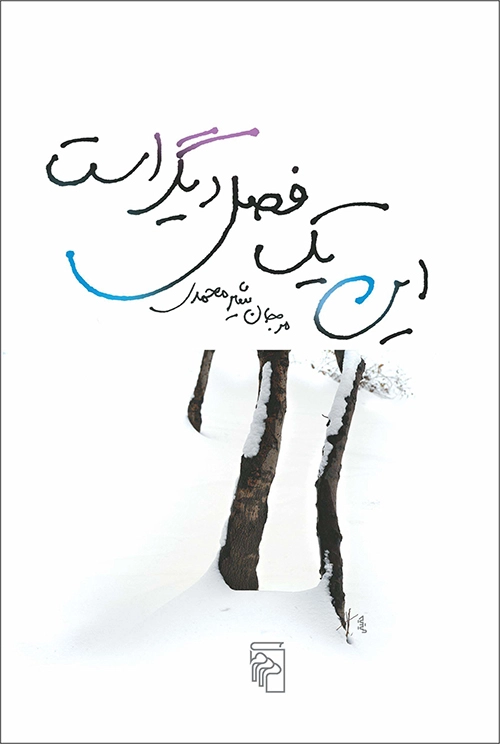
īn yek fasl-e dīgar ast Persiska (Farsi) 2025
این یک فصل دیگر است
15,12 $

Dela
Wishlist
“There was noise downstairs. They had opened the door and come in. Emad was lying on the couch. He shifted slightly and noticed the hole in his sock. He had been restless since midnight. He heard someone say, ‘Turn down the heat under the halim!’ They had their own key. Emad had given them the spare key to the apartment. They would unlock the door and enter his place as if it were their own. The key was kept by a young man with henna-colored hair who arrived earlier than everyone else in the morning.
Emad wished he could stay on the couch and roll over again. The group had nothing to do with him. He liked this new group; they seemed pleasant enough. They had signed a contract a week earlier and were supposed to stay for a month. The people in this group never threw cigarette butts on the ground, and that made Emad happy. He had no problem with smokers—as long as they did not flick their cigarette ends onto the floor. Downstairs, several large sheets of brown paper were taped to the walls with the message: ‘Do not throw your cigarette waste on the ground.’ But most people ignored it, tossed their cigarette butts wherever they pleased, and this infuriated Emad.
He pulled one slipper out from under the couch and slid his foot into it. He pulled up his pajama bottoms, picked up the kettle, and stepped out of his room. The bathroom was next to his door. He filled the kettle from the tap in the bathroom and returned to his room. Inside, he had a small refrigerator and a two-burner tabletop stove. He had placed the stove on a table by the window, and the telephone sat on top of the refrigerator. In the middle of the room stood a dining table with two chairs and a radio. At night, he would turn the radio on so he would not have to hear the sound that echoed inside his head. He would sit on the couch and drink until his eyelids grew heavy.”
more
«آن پایین صدا میآمد. در را باز کرده بودند و آمده بودند تو. عماد روی کاناپه دراز کشیده بود. به خودش تکانی داد و چشمش افتاد به سوراخ جورابش. از نصفه شب بدخواب شده بود. شنید یکی گفت «زیر حلیمو کم کن!» آنها خودشان کلید داشتند. عماد کلید اضافهٔ در ورودی را داده بود بهشان. مثل خانهٔ خودشان کلید میانداختند و میآمدند توی خانهٔ عماد. کلید دست پسر جوانی بود که موهای حنایی رنگی داشت و صبح قبل از همه میآمد. عماد دلش میخواست توی کاناپه بماند و غلت بزند. گروه با او کاری نداشت. از این گروه جدید خوشش میآمد. به نظرش آدمهای خوش مشربی بودند. یک هفتهٔ پیش قرارداد بسته بودند و قرار شد یک ماه بمانند. آدمهای این گروه آشغال سیگار روی زمین نمیانداختند و عماد از این قضیه خوشحال بود. با سیگاریها مشکلی نداشت، به شرطی که ته سیگارشان را روی زمین نیندازند. آن پایین روی دیوارها چند جا روی کاغذهای بزرگ کاهی نوشته بود «آشغال سیگارتان را روی زمین نیندازید.» ولی مردم اغلب اهمیت نمیدادند و آشغال سیگارشان را روی زمین میانداختند و این کفر عماد را در میآورد.
لنگه دمپاییاش را از زیر کاناپه کشید بیرون و پایش کرد. پیژامهاش را بالا کشید، کتری را برداشت و از اتاقش بیرون رفت. حمام کنار اتاقش بود. کتری را از شیر حمام پر کرد و برگشت توی اتاق. توی اتاق یک یخچال کوچک و یک گاز دو شعلهٔ رومیزی داشت. گاز را گذاشته بود روی یک میز، کنار پنجره. تلفن را گذاشته بود روی یخچال. وسط اتاق یک میز غذاخوری بود با دو تا صندلی و یک رادیو. شبها رادیو را روشن میکرد تا صدایی را که توی سرش میپیچید نشنود. روی کاناپه مینشست و مشروب میخورد، تا جایی که پلکهایش سنگین میشد.»
more