

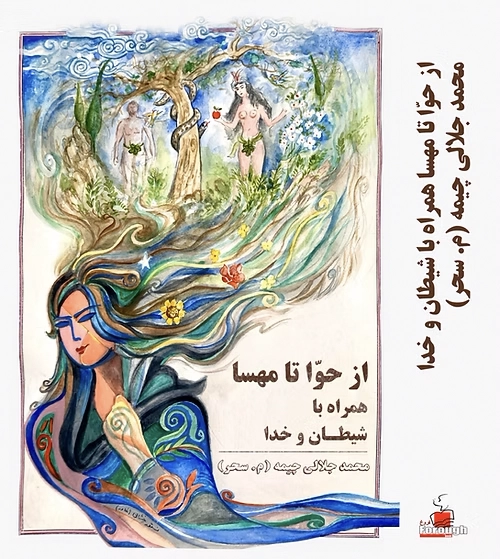
Az Havā tā Mahsā: Hamrāh bā Sheyṭān va Khodā Persiska (Farsi) 2025
از حوا تا مهسا: همراه با شیطان و خدا
30,64 $

Dela
Wishlist
Originaltitel:
از حوا تا مهسا: همراه با شیطان و خدا
ISBN:
9783965311466
Förlag:
FOROUGH Publishing
Åldersgrupp:
Vuxen
Sidor:
490
Vikt:
555 g
Produktmått:
14 x 21 x 3 cm
Bokomslag:
Pocketbok
The poetic cycle **“The Secret of Eve to Mahsa”** is a philosophical and lyrical journey that guides the reader from the heart of the myth of creation to the very core of the turbulent realities of the contemporary world.
Written in a symbolic style rooted in classical Persian language, this narrative poem explores, through a multi-layered approach, concepts such as creation, sin, freedom, destiny, and the historical position of women. From Eve’s first moments in the Garden of Eden to the modern era, the work builds a bridge between myth and lived reality, inviting the reader to reflect on the nature of humanity and society.
Among its central themes are the critique of superstition, the brilliance of humankind, the contradictions of the human mind, and ultimately the experience of the human race itself—along with the bondage and violence born of the ego, the oppression inflicted throughout history, and the deep, undeniable social wounds of the present age.
One of the major axes of this work is its examination of the **cycle of violence in human history**, beginning with the first murder—Cain and Abel. This event is presented as the starting point of an unending chain of bloodshed, a pattern that has persisted throughout the ages, driving countless “brothers” to destroy one another and shaping innumerable tragedies.
With a tone that is simultaneously critical, poetic, humorous, at times ironic, and at times blunt, the poem reminds the reader that history is a repetition of suffering and resistance—and that **women have played a singular role in this enduring struggle**.
The book concludes with a short verse play titled **“The Devil and God.”**
In this dramatic dialogue, a poetic and philosophical exchange unfolds between God and Satan—two ancient forces—who describe the human condition caught between free will and fate, raising profound questions about the nature of human agency and freedom.
more
منظومه «راز حوا تا مهسا» سفری است شاعرانه و فلسفی که
خواننده را از دل اسطوره آفرینش تا قلب واقعیتهای
جنبادانهٔ معاصر هدایت میکند.
این اثر منظوم، با بیانی نمادین متکی بر زبان کلاسیک فارسی،
از طریق رویکردی چندلایه به واکاوی مفاهیمی همچون آفرینش،
گناه، آزادی، سرنوشت و جایگاه زن در طول تاریخ میپردازد.
از نخستین لحظات حضور حوا در باغ عدن تا روزگار معاصر، این منظومه پلی میان
اسطوره و واقعیت برقرار کرده و مخاطب را متأمل در ماهیت انسان و جامعه دعوت میکند؛
نقد خرافات، نبوغ آدمی، تضادهای ذهنی و فکری او، و در نهایت، کلیت نوع انسان است و
نیز بردگی و خشونت برخاسته از نفس، و ظلم و ستمهایی که در طول تاریخ به او روا رفته و
برخی ژرفزخمهای غیرقابلانکار اجتماعی در دوران معاصر از موضوعات بنیادین این مثنوی را
تشکیل میدهند!
یکی از محورهای اصلی این اثر بررسی چرخهٔ خشونت در تاریخ بشر است که با
نخستین قتل (قابیل و هابیل) آغاز میشود. این واقعه، بهعنوان نقطهٔ آغازین زنجیره
خونریزی و خشونت در تاریخ دیده میشود، و منظومه نشان میدهد که چگونه این چرخه
تا به امروز ادامه یافته، و در طول تاریخ بشر برادران فراوانی را به قتل یکدیگر واداشته و
حوادث بیشماری را رقم زده است.
این اثر با نگاهی انتقادی و در عین حال شاعرانه، و طنزآلود، گاهی کنایهای، و گاهی
بیپرده، به مخاطب یادآوری میکند که تاریخ، تکرار رنجها و مقاومتهاست و زنان در
این مسیر نقشی ویژه داشتهاند!
پایان کتاب با نمایشنامهٔ منظوم کوتاهی به نام «شیطان و خدا» همراه است.
در این نمایش، منظومه میان خدا و شیطان آغاز میشود که آن دو در رویی میان
دو نیروی کهن، با نگاهی و بیانی شاعرانه و فلسفی، وضعیت انسان را در میان اختیار و سرنوشت
وصف کرده و پرسشهای بنیادینی را درباره ماهیت اراده و آزادی انسان طرح میکند
more