

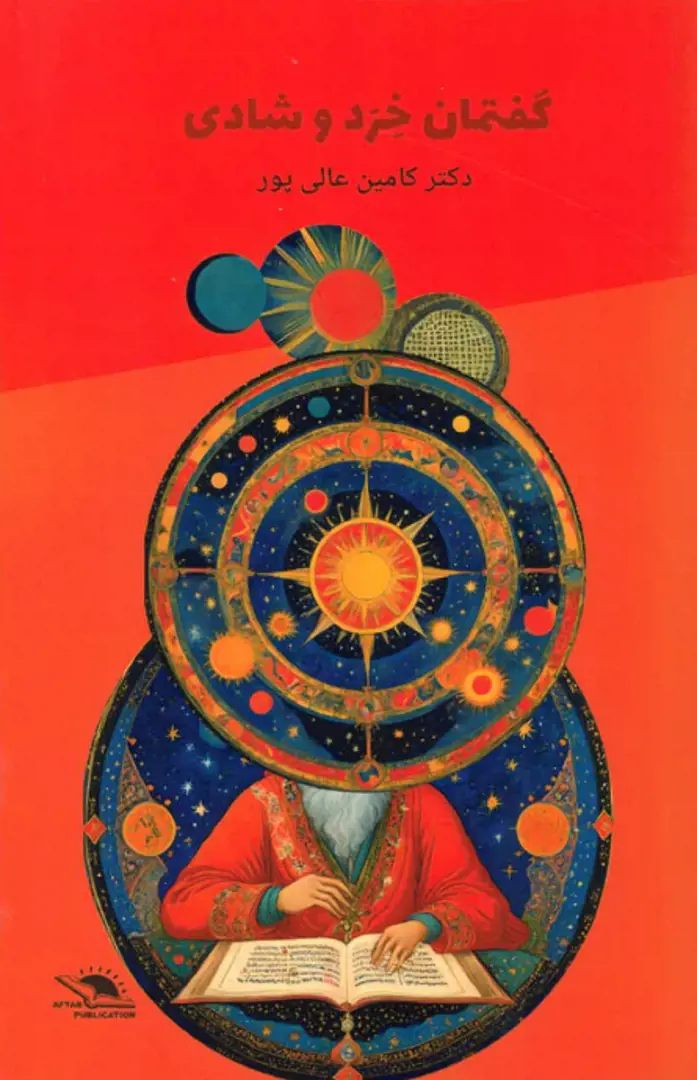
Guftumān-i Khirad va Shādī Persiska (Farsi) 2025
گفتمان خرد و شادی
33,49 $

Dela
Wishlist
ISBN:
9781326390822
Förlag:
Aftab Publications Norway x
Åldersgrupp:
Vuxen
Sidor:
423
Vikt:
496 g
Produktmått:
15 x 23 x 2 cm
Bokomslag:
Pocketbok
In this analytical study of the philosophy of Omar Khayyam, the author argues that Khayyam raises fundamental questions and challenges that have long occupied the human mind, questions that many other philosophers, whether out of fear, religious sentiment, or other considerations, never openly addressed. In contrast, Khayyam expresses such philosophical concerns freely, defying the dominant hegemony of tradition and religion in his time.
The book further contends that, through seemingly simple yet profoundly significant discourses, Khayyam introduces essential philosophical questions in his quatrains. Within these discussions, rejection or denial is never presented as a central theme of his philosophy. Interpretations that portray his thought primarily in terms of negation, the author argues, are often the result of non-specialist, reader-centered hermeneutic readings shaped more by the interpreters’ own intellectual inclinations than by Khayyam’s actual philosophical outlook.
While some of Khayyam’s verses may initially evoke a sense of philosophical pessimism, the author maintains that these themes arise from the poet’s inherently critical and deconstructive philosophical spirit. Their purpose is not to promote despair, but to stimulate inquiry and encourage critical reflection. In this sense, Khayyam is presented as embracing a principle akin to the modern notion of uncertainty, preserving space for pluralistic and diverse perspectives within his philosophical vision.
At the core of Khayyam’s philosophy lies the belief that human beings are born through one form of necessity and depart the world through another, namely death. Between these two inevitabilities, birth and death, people should not spend their fleeting lives consumed by anxiety and distress. Rather than directing humanity toward abstract and impractical forms of speculation, Khayyam offers a pragmatic and life-affirming path founded on two essential principles: reason and joy. In this interpretation, rational inquiry occupies a central place in Khayyam’s analytical philosophy, serving as the foundation of human life and deserving priority over all other concerns.
more
در فلسفه ی تحلیلی خیام ، عمدتاً گفتمان ها و چالش هایی اساسی در ذهن مخاطبان و ابنای بشر بوجود می آید که دیگر فلاسفه یا بنابر «ترس» یا احساسات دینی و مذهبی و یا هر دلیل دیگر آن پرسش ها و چالش های فلسفی را هیچگاه مطرح نکرده اند ، اما خیام آنها را برخلاف هژمونی استیلاگر «سنت» و «مذهب» زمان با آزادی کامل ابراز می دارد . همچنین خیام در قالب گفتمان هایی به ظاهر ساده ، اما بنیادی پرسش هایی اساسی را در رباعیات خود مطرح می نماید که در آن گفتمان ها ، قضیه ی «رد و انکار» هیچگاه به عنوان یک موضوع و سوژه ی برجسته و اساسی در فلسفه ی او مطرح و تبیین نمی شود و این نوع برداشت ها از گفتمان های فلسفی او ، تنها نوعی برداشت هرمنوتیک مخاطب محور غیرحرفه ای است که صرفاً بنابر سویه ی فکری خود تحلیل گران ارایه گردیده است . در ظاهر بعضی از گفتمان های خیام ، نوعی یأس فلسفی به ذهن مخاطب متبادر می گردد که طرح این مباحث نیز از جانب خیام تنها بر مبنای جوهره ی فلسفی ساختارشکنانه ی او و عمدتاً برای ایجاد نوعی زمینه ی پرسشگری و طرح چالش های انتقادی در ذهن مخاطب صورت می گیرد ؛ بدین معنی که او باورمند به یکی از اصول اساسی و مثبت مکتب پست مدرن ، تحت عنوان "عدم قطعیت" امور است تا همچنان راه برای دیدگاه های تکثرگرایانه و پلورالیستی در فلسفه ی نو و مدرن او باز بماند . همچنین شاکله و جوهره ی فلسفه ی خیام ، مبتنی بر این مولفه ی اساسی است که انسان به صورت جبری متولد می شود و همچنین بنابر نوعی دیگر از جبر به نام مرگ از این جهان خواهد رفت ، در نتیجه در مشرب فلسفی خیام ، انسان نباید زندگی گذرای خود را در میان دو جبر «تولد» و «مرگ» مرتب در تشویش و اضطراب سپری نماید . او نه تنها برای این دقایق حساس زندگانی بشر راهکارهایی کاربردی و عینیت گرا ارایه می دهد و او را حوالت بر نوعی رویکرد انتزاعی و سوبژکتیو غیرکاربردی نمی نماید ، بلکه این مسیر معقول و منطقی را به ابنای بشر پیشنهاد می دهد که انسان باید همواره بنابر دو مولفه ی «خرد» و «شادی» زندگی کند ؛ یعنی خردورزی در فلسفه ی تحلیلی خیام ، مبنایی کاملاً عینیت گرا و پوزیتیویستی دارد و به عنوان اساس زندگی و زیستن بشریت باید در اولویت همه ی امور زندگی او قرار گیرد .
more